Palestinian Coalition for Adolescent Health Work Plan and By-Laws Workshop
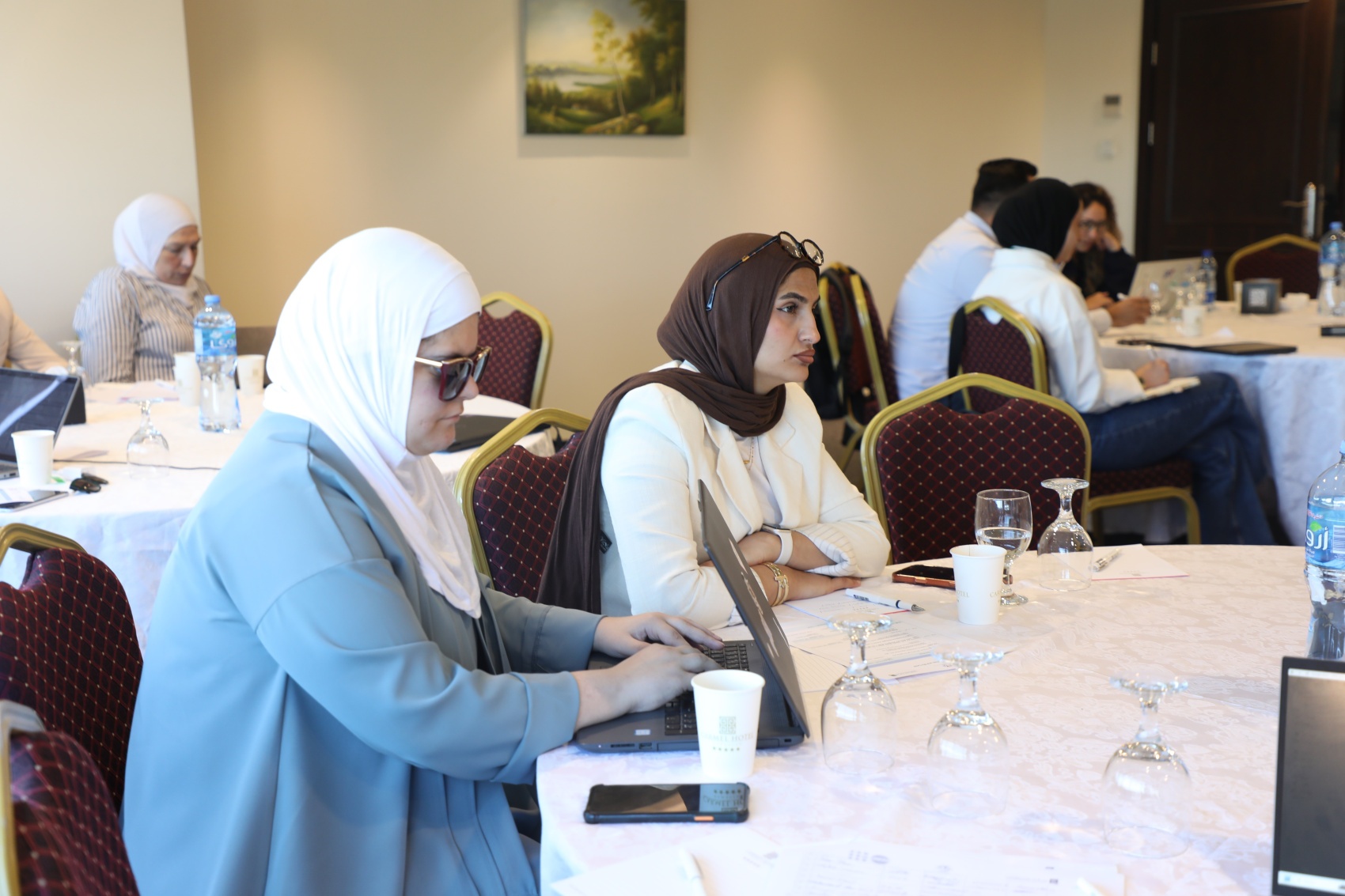
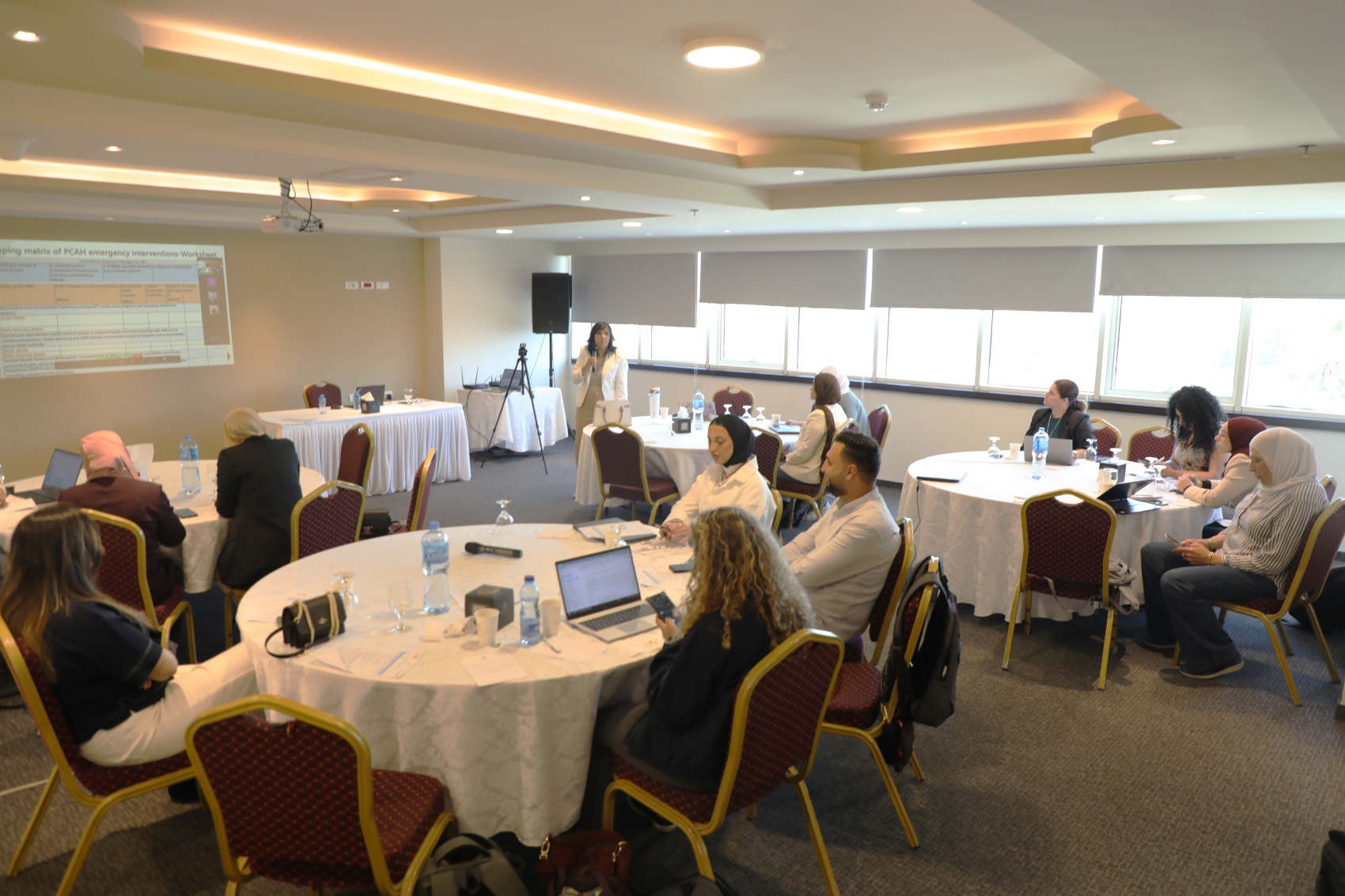
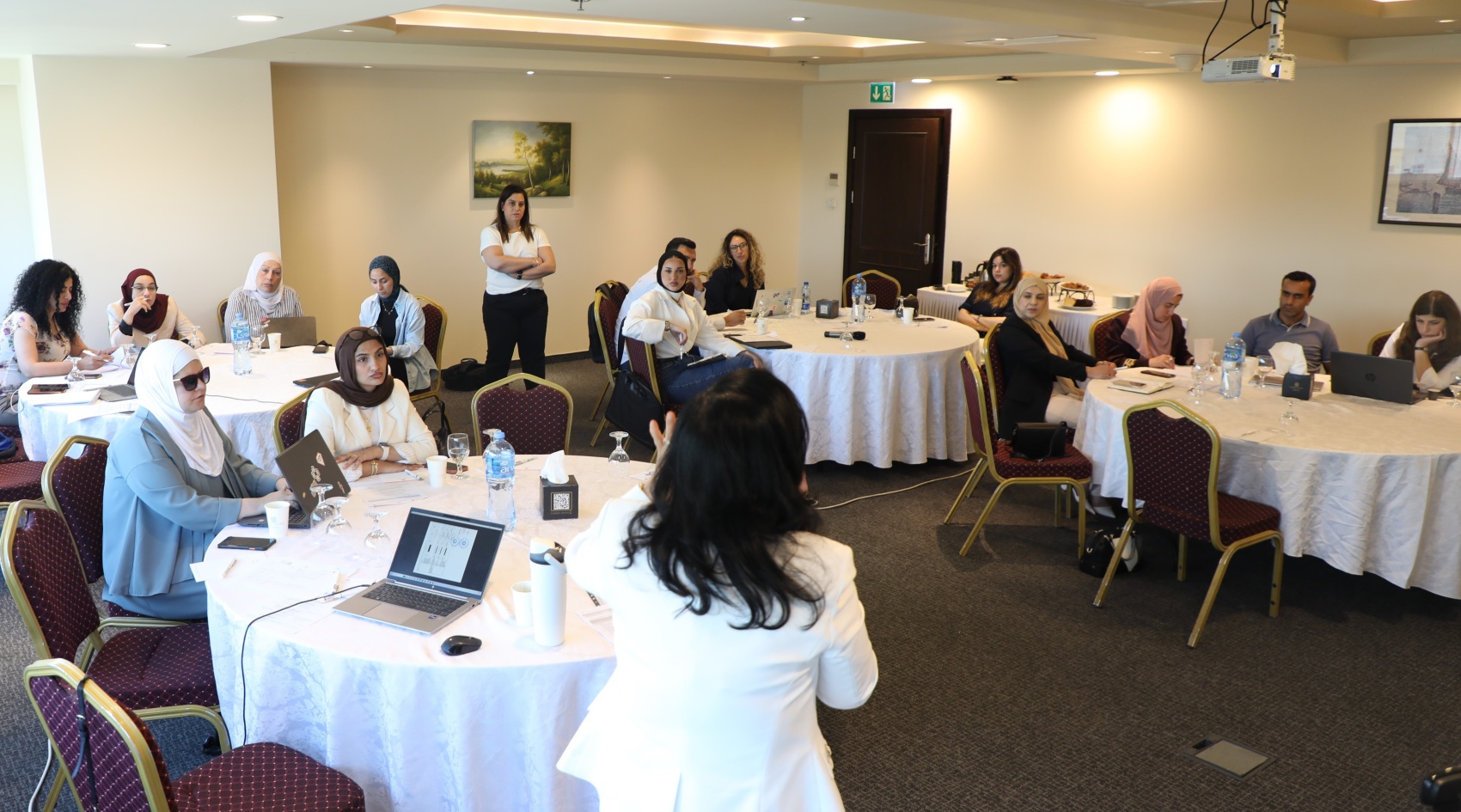
As part of its ongoing efforts to strengthen the humanitarian response to the needs of adolescents and youth in Palestine, Juzoor for Health and Social Development—acting as the coordinating body of the Palestinian Coalition for Adolescent Health (PCAH) and in partnership with the United Nations Population Fund (UNFPA), organized a specialized workshop with the participation of coalition members from local and international organizations, UN agencies, and relevant government entities. The workshop aimed to discuss the coalition’s action plan and bylaws, and to review and develop humanitarian response strategies.
This workshop comes at a time when humanitarian challenges facing adolescents and youth in the West Bank and Gaza Strip are increasing, necessitating enhanced coordination among various stakeholders and unified efforts to ensure a more effective and comprehensive response to this age group, which is among the most affected by protracted crises. The workshop served as a platform for dialogue and joint planning, contributing to the development of working mechanisms, identification of priorities, and response to the evolving needs of adolescents and youth.
Participants emphasized the pivotal role of the Coalition in coordinating among partners working in adolescent and youth health and wellbeing, and in strengthening the integration between humanitarian and development interventions, ensuring the continuity, quality, and accessibility of services to target groups. The coalition’s responsibilities within humanitarian response plans, as well as its leadership and coordination roles in supporting the rights and needs of adolescents and youth in various humanitarian contexts, were also highlighted.
Over the course of the two-day workshop, participants discussed priority issues related to adolescent and youth health in the current phase, which combines emergency response and early recovery. They reviewed coalition members’ interventions across different areas, including types of interventions, target groups, geographic coverage, and funding status. In addition, they identified existing gaps and challenges and developed practical recommendations to address them and enhance integration among partner institutions.
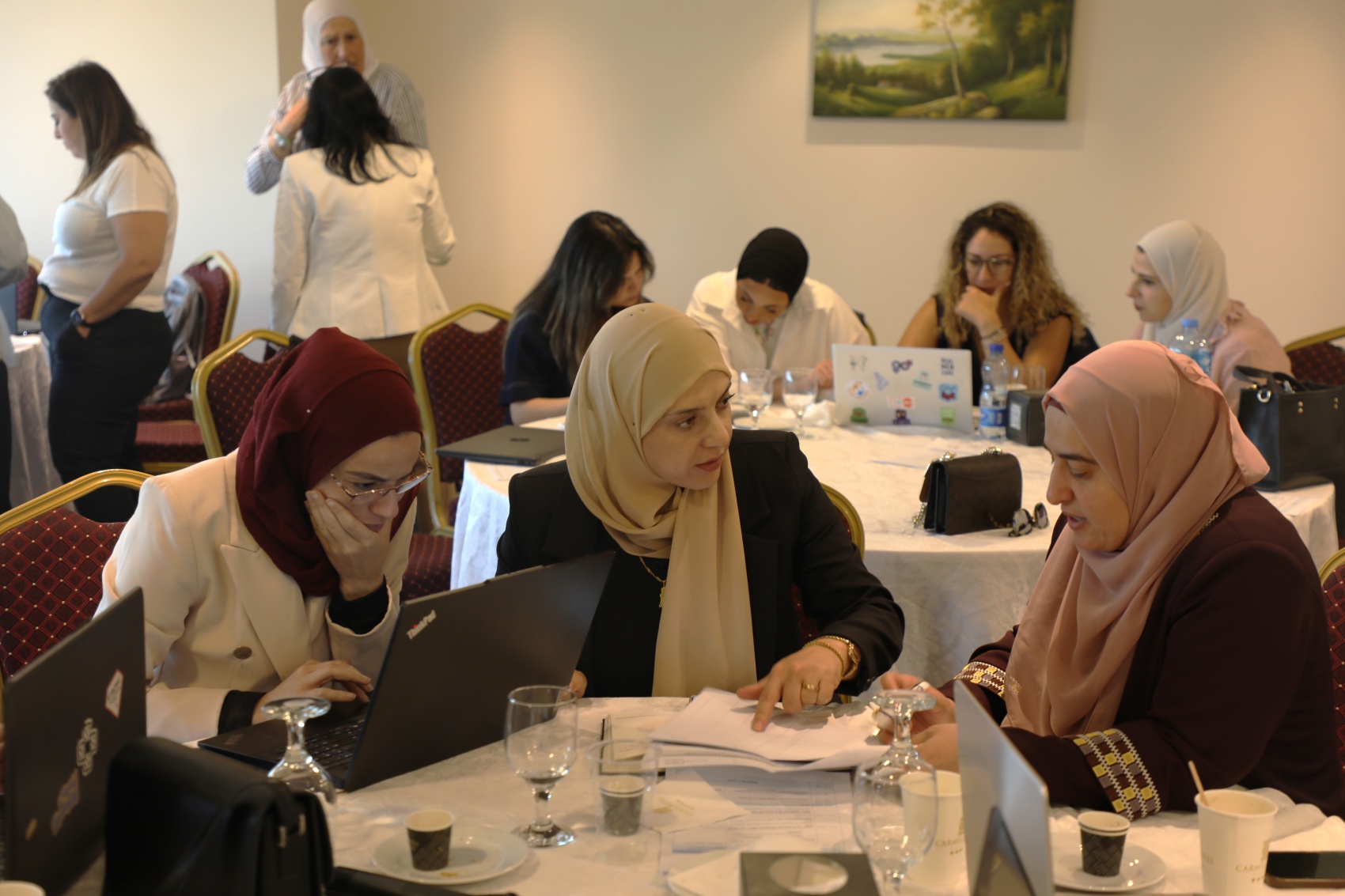
The second day was dedicated to reviewing the coalition’s bylaws in alignment with its growing role in humanitarian and development work. Participants worked in specialized groups to review the vision, mission, and strategic objectives, as well as membership, governance, and decision-making mechanisms, in a way that enhances the coalition’s effectiveness and sustainability in serving Palestinian adolescents and youth.
The workshop concluded with presentations of group outputs and the adoption of a set of recommendations related to developing the coalition’s bylaws, in addition to preparing a unified matrix of members’ interventions, including identified gaps, funding status, and future priorities. This will strengthen the coalition’s capacity to respond to the needs of adolescents and youth in Palestine and contribute to ensuring their access to more comprehensive and sustainable health, psychological, and social services.