Juzoor Completed a Specialized Training Program for Community Health Workers in the West Bank
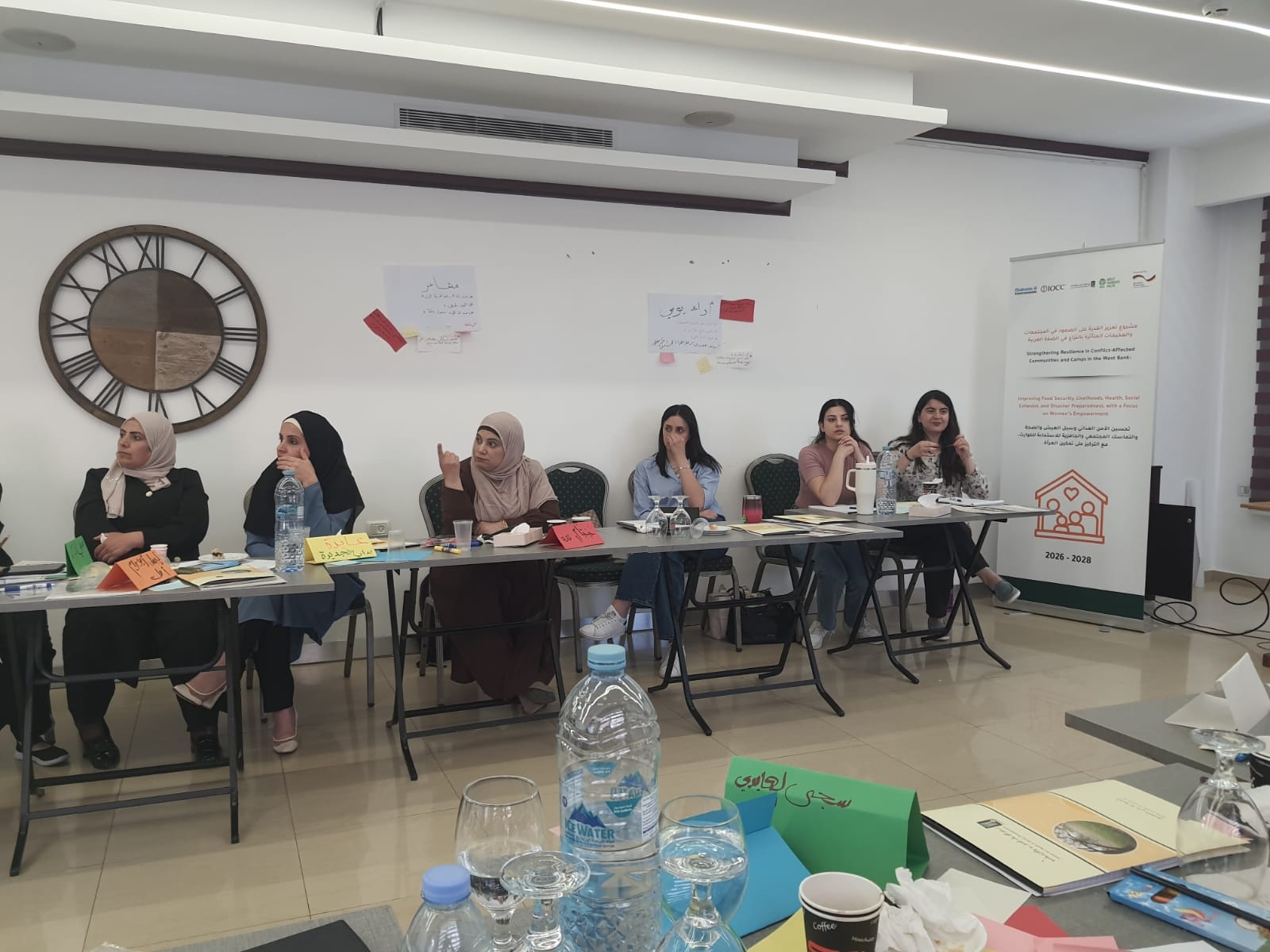
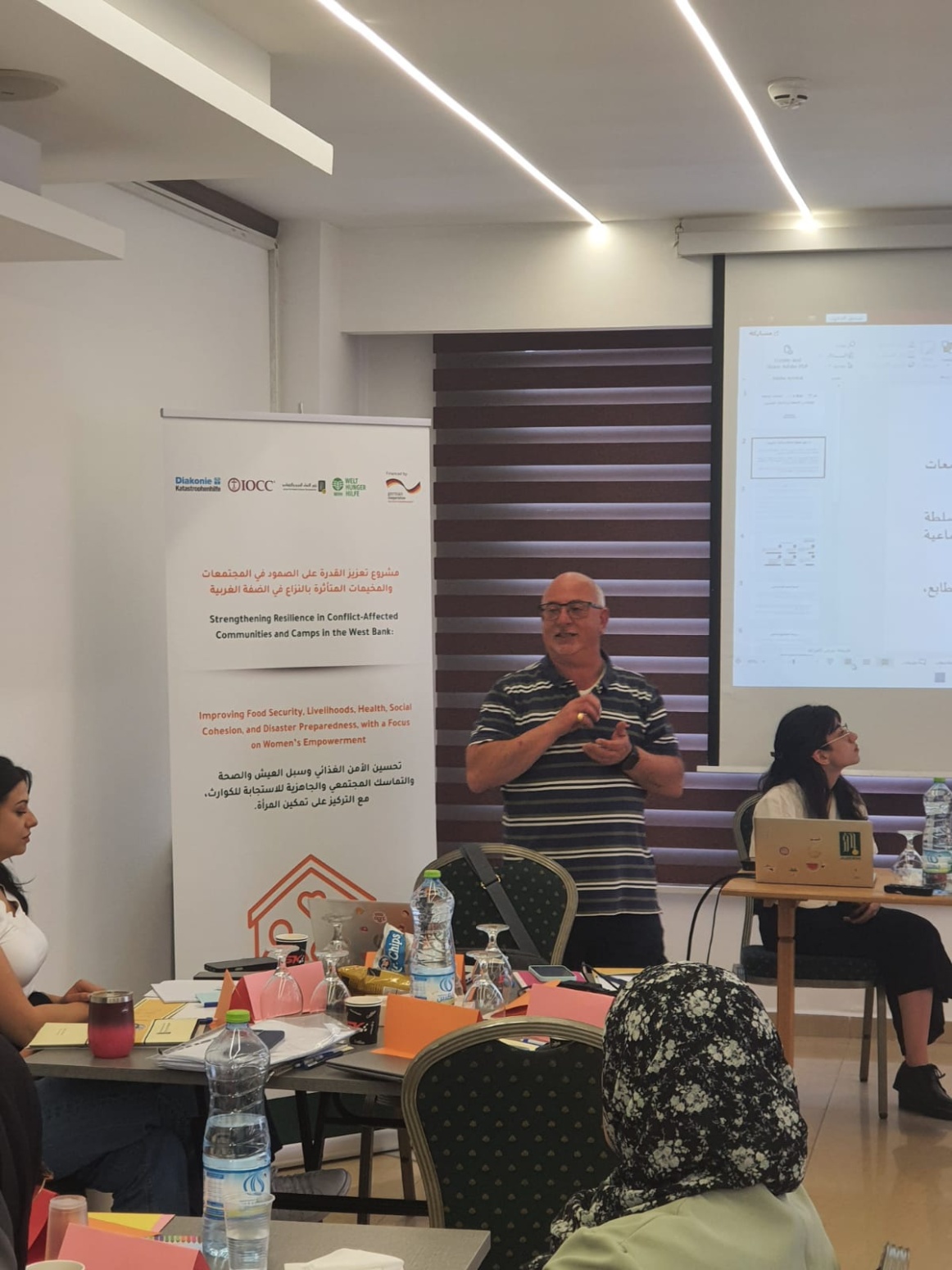
Juzoor for Health and Social Development concluded a specialized training program that was implemented over a two-week period as part of the “Strengthening Resilience in Conflict-Affected Communities and Camps in the West Bank” project. The project is implemented in partnership with Welthungerhilfe (WHH), Diakonie Katastrophenhilfe (DKH), and International Orthodox Christian Charities (IOCC), with support from the German Federal Ministry for Economic Cooperation and Development (BMZ).
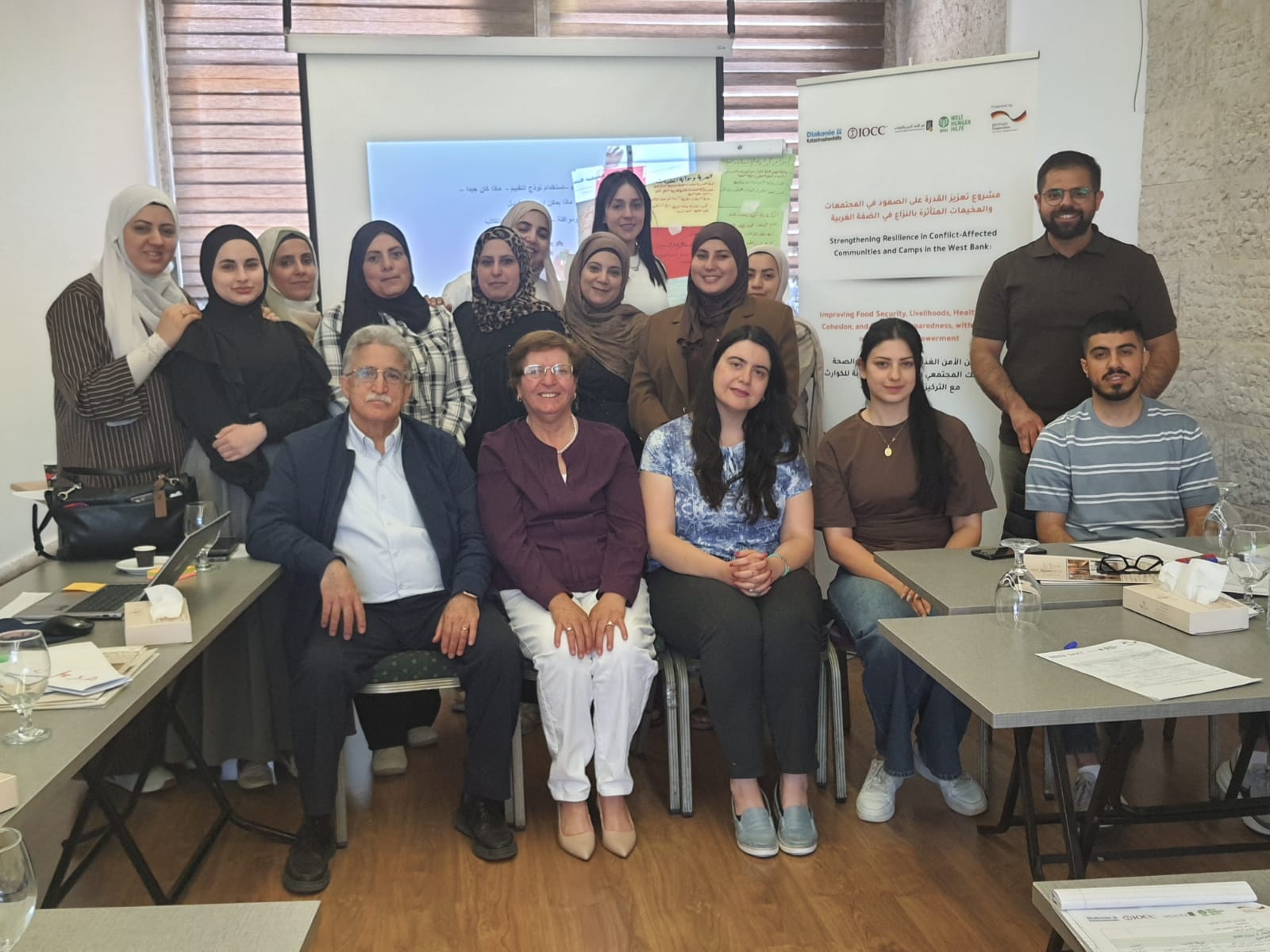
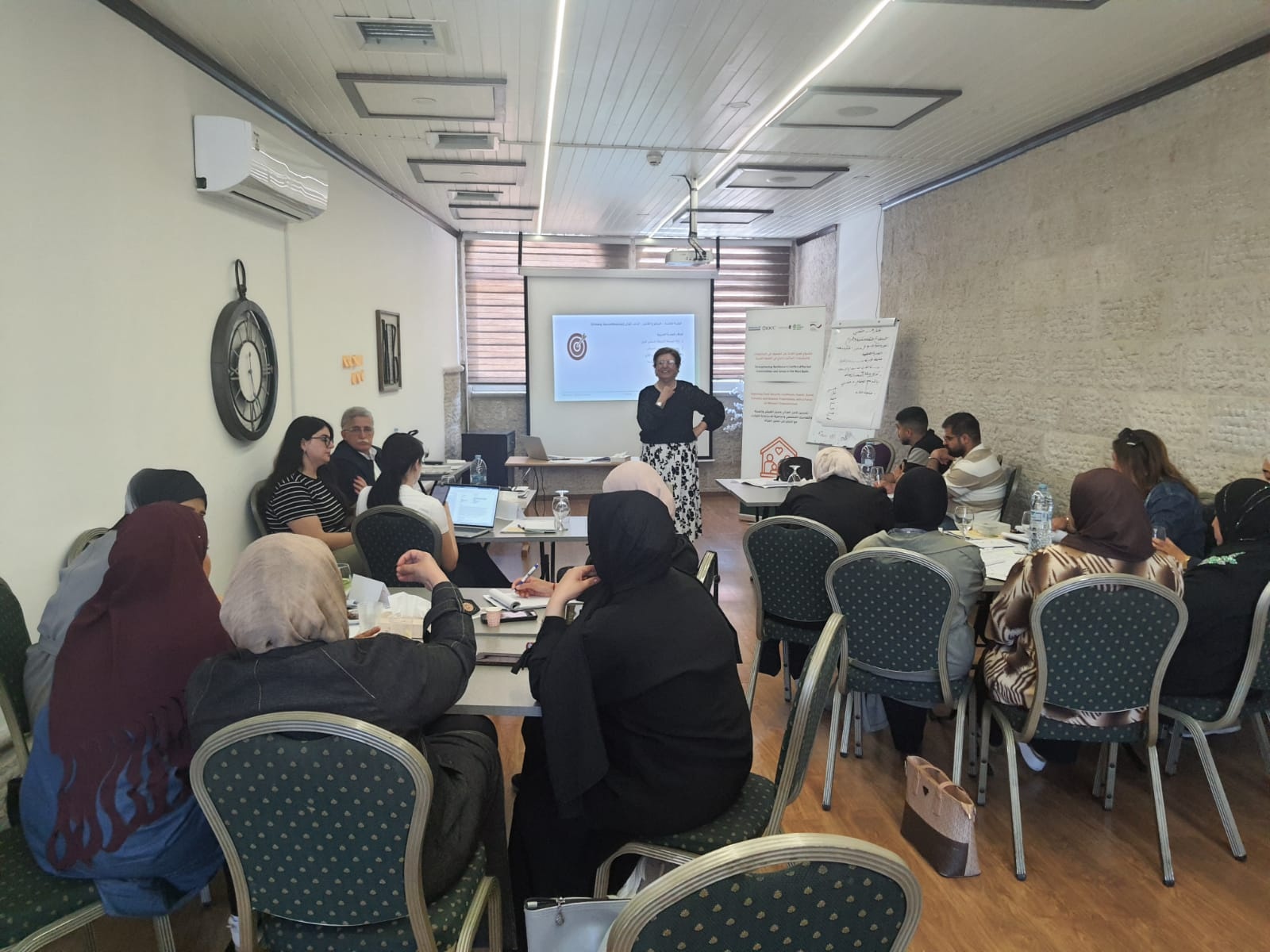
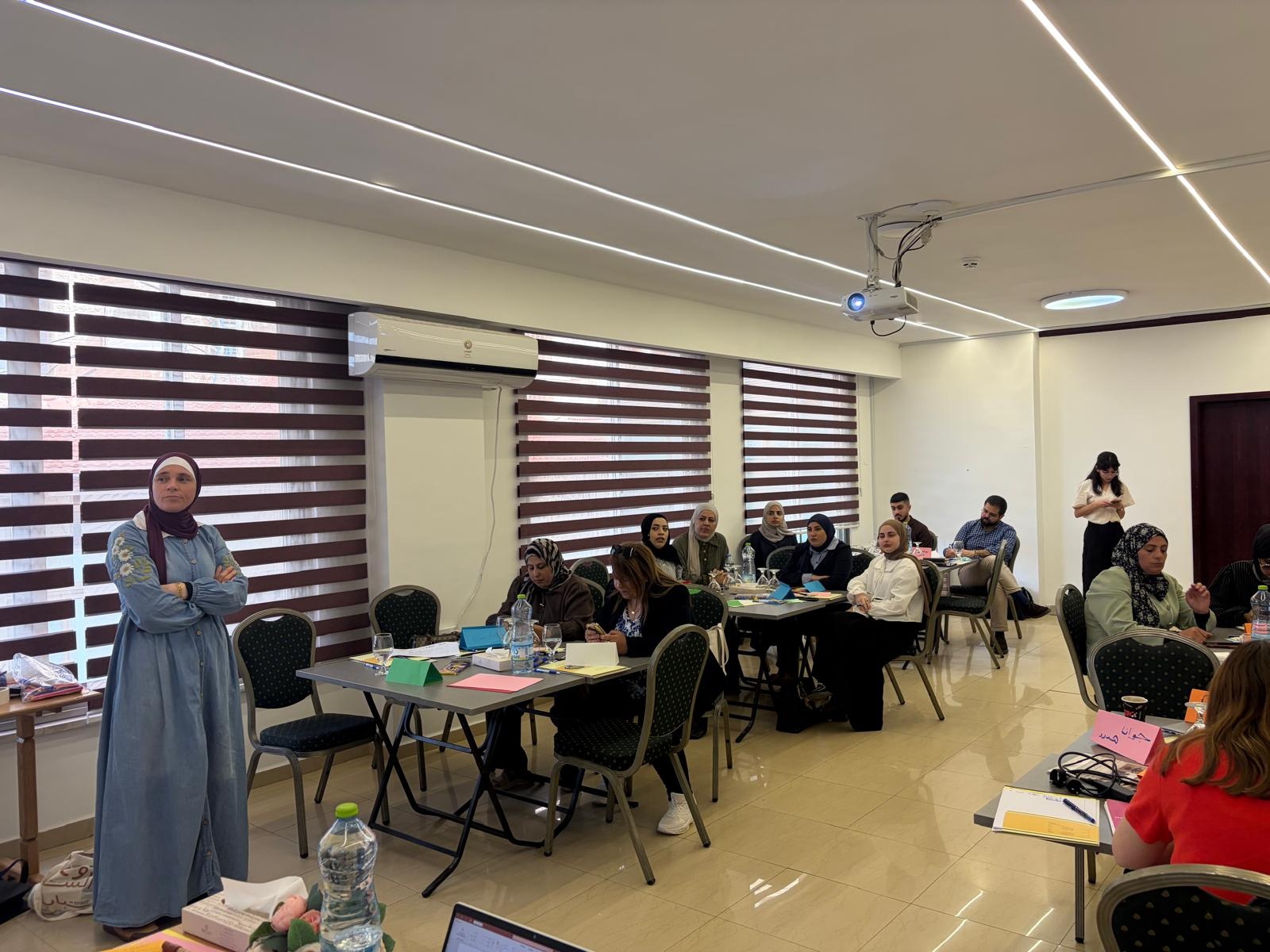
The program targeted 14 community health workers from the governorates of Hebron, Bethlehem, Nablus, Jenin, and Tubas, with the aim of strengthening their knowledge and practical skills and enabling them to provide more comprehensive and higher-quality health and nutrition services to the most vulnerable families. This contributes to improving access to primary healthcare services in conflict-affected communities.
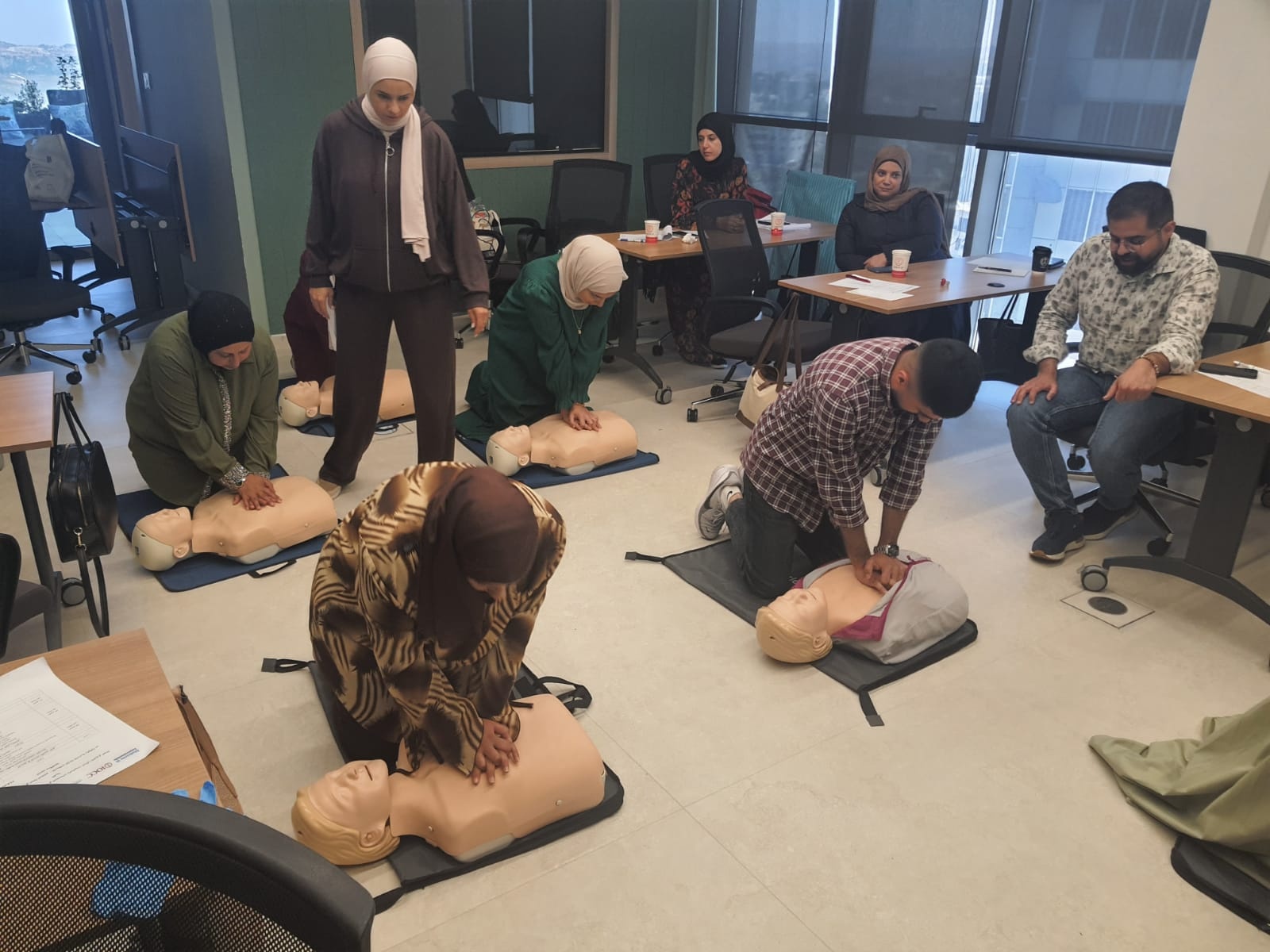
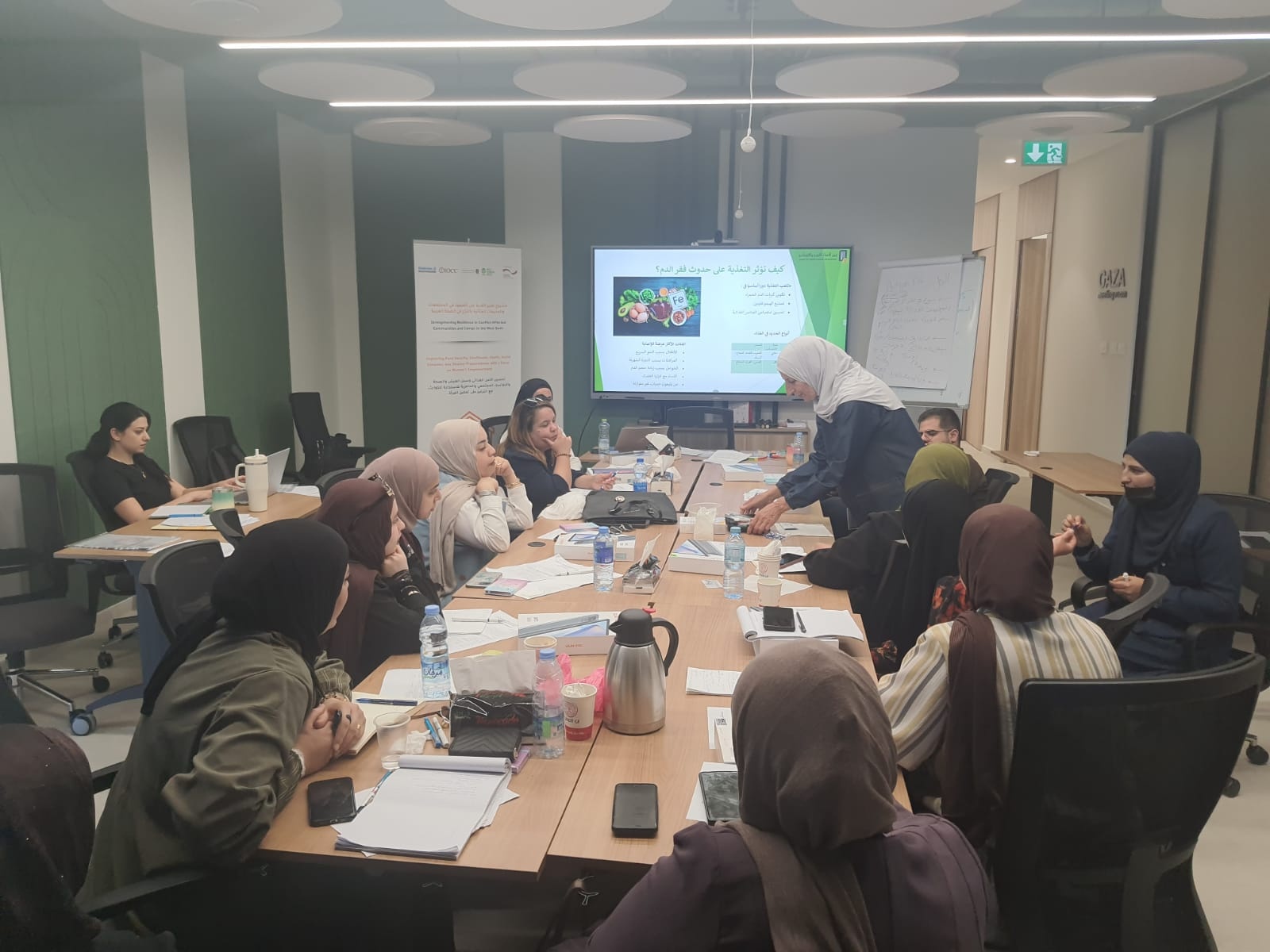
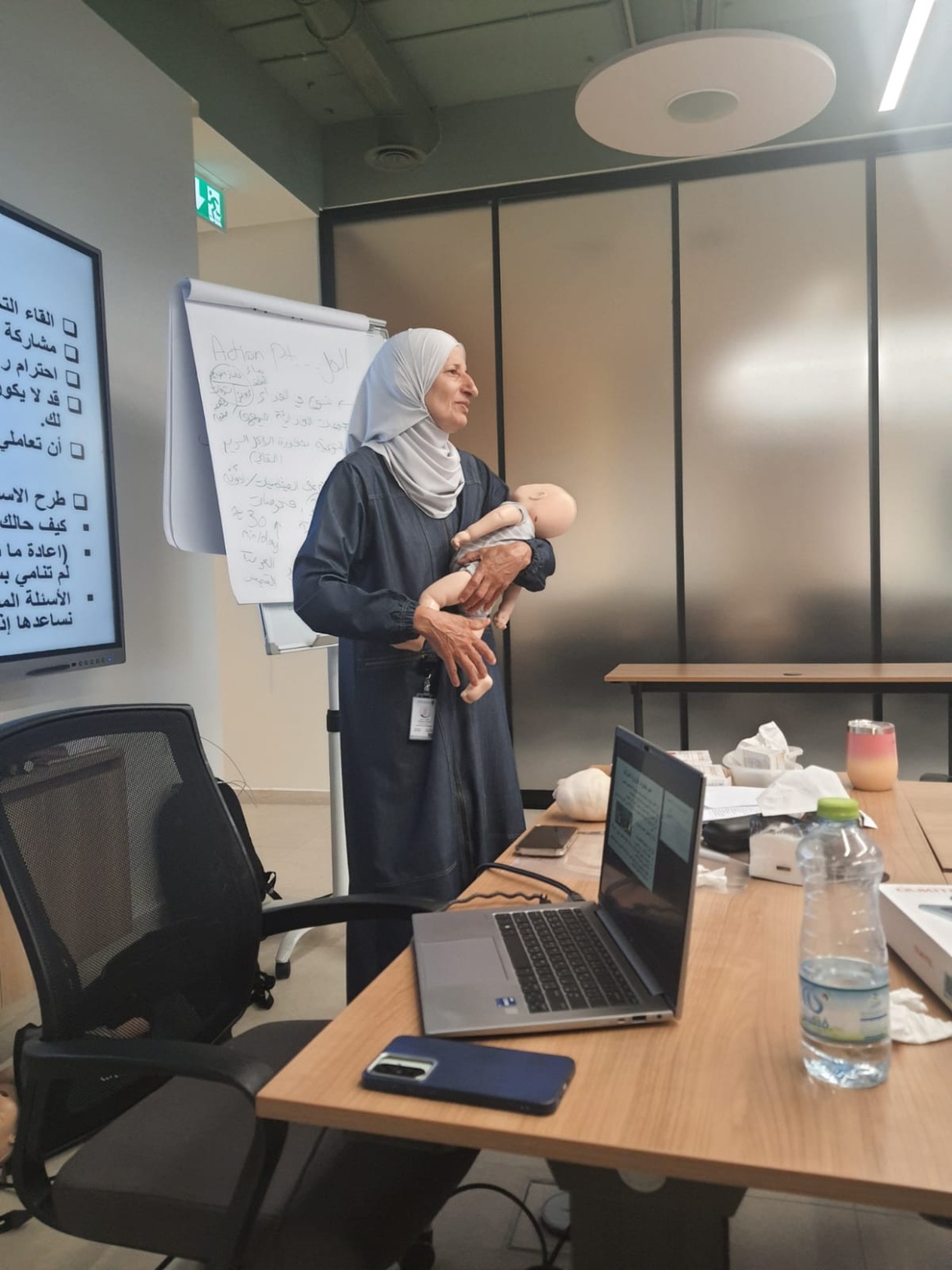
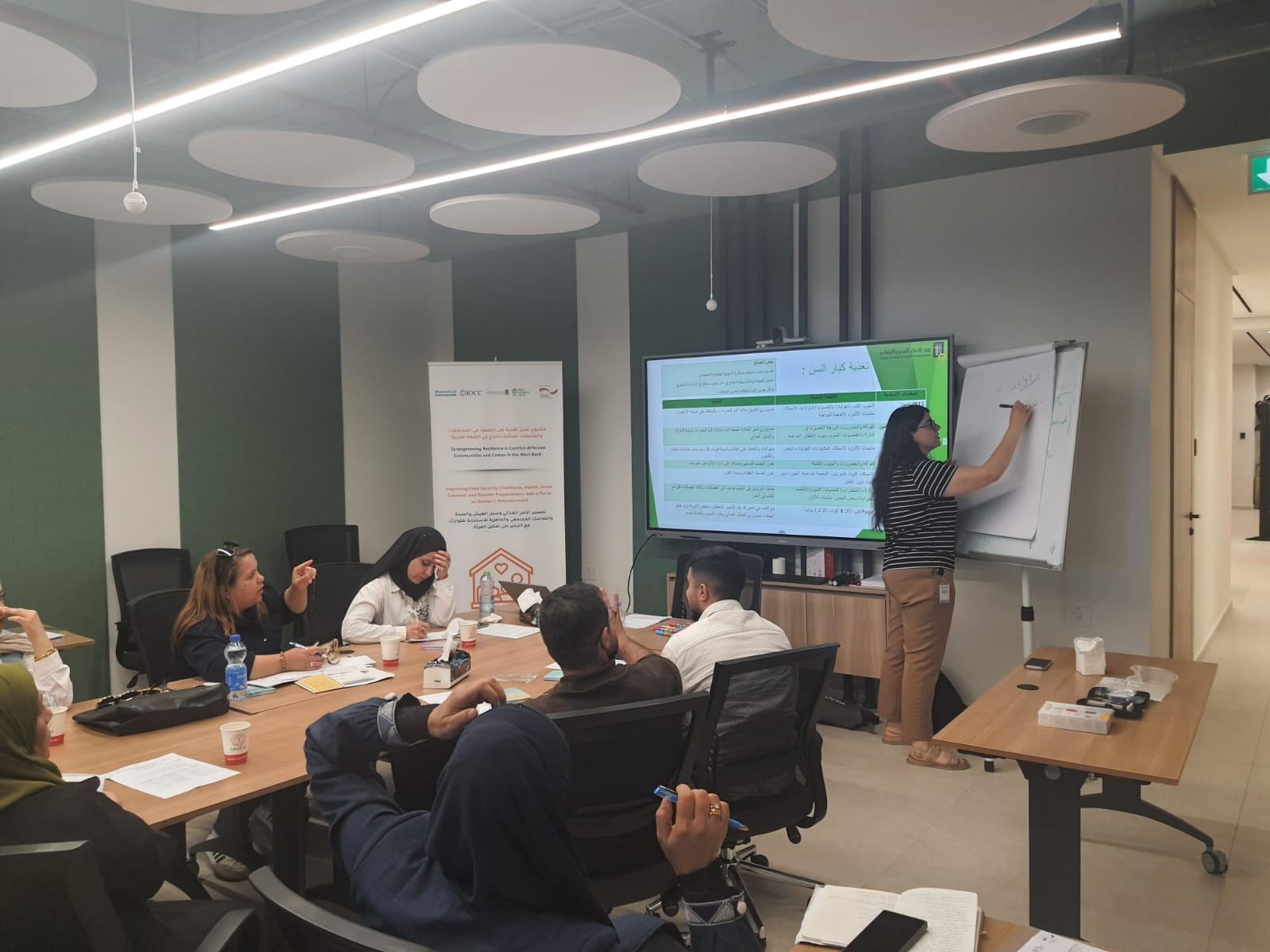
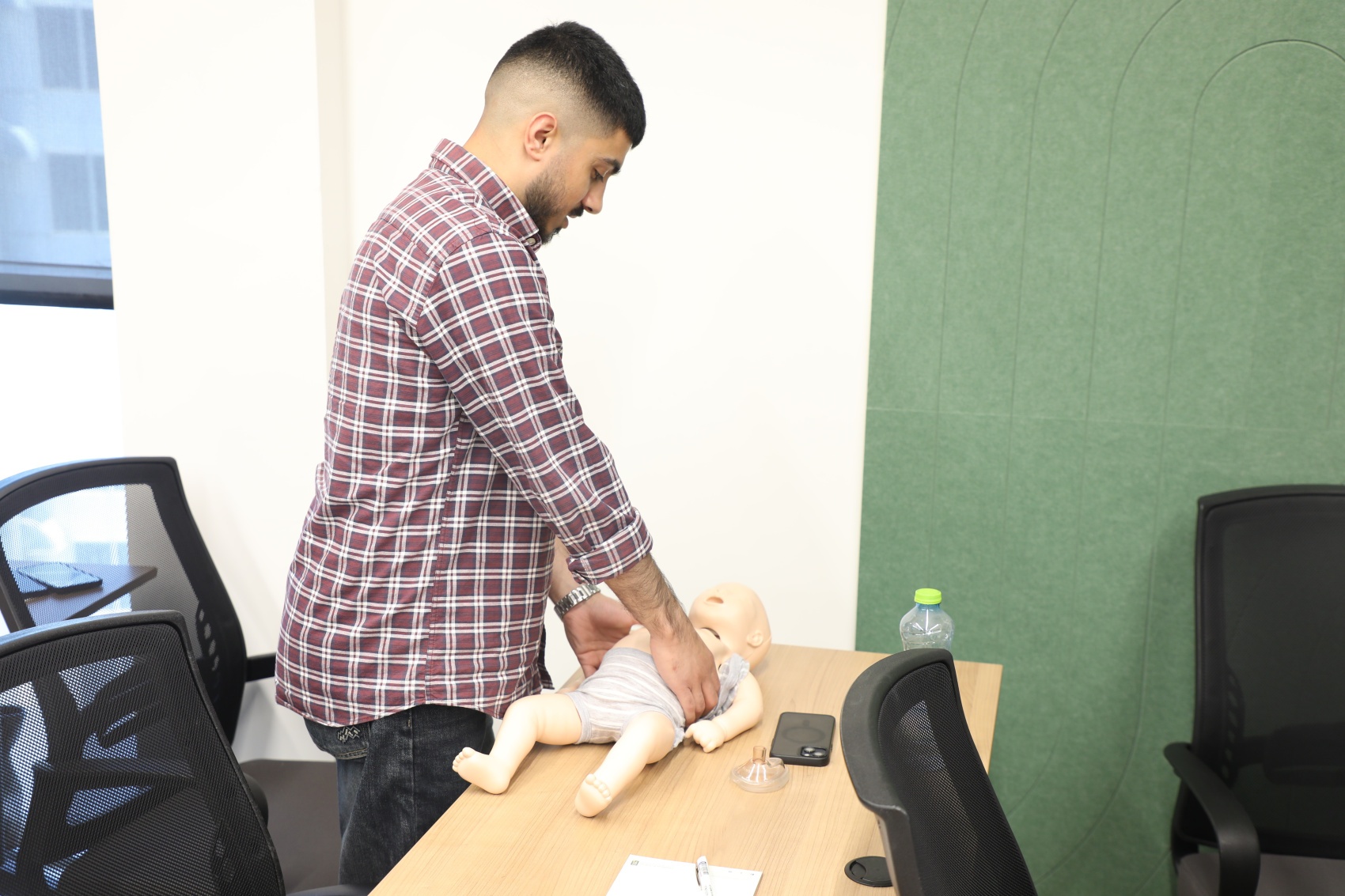
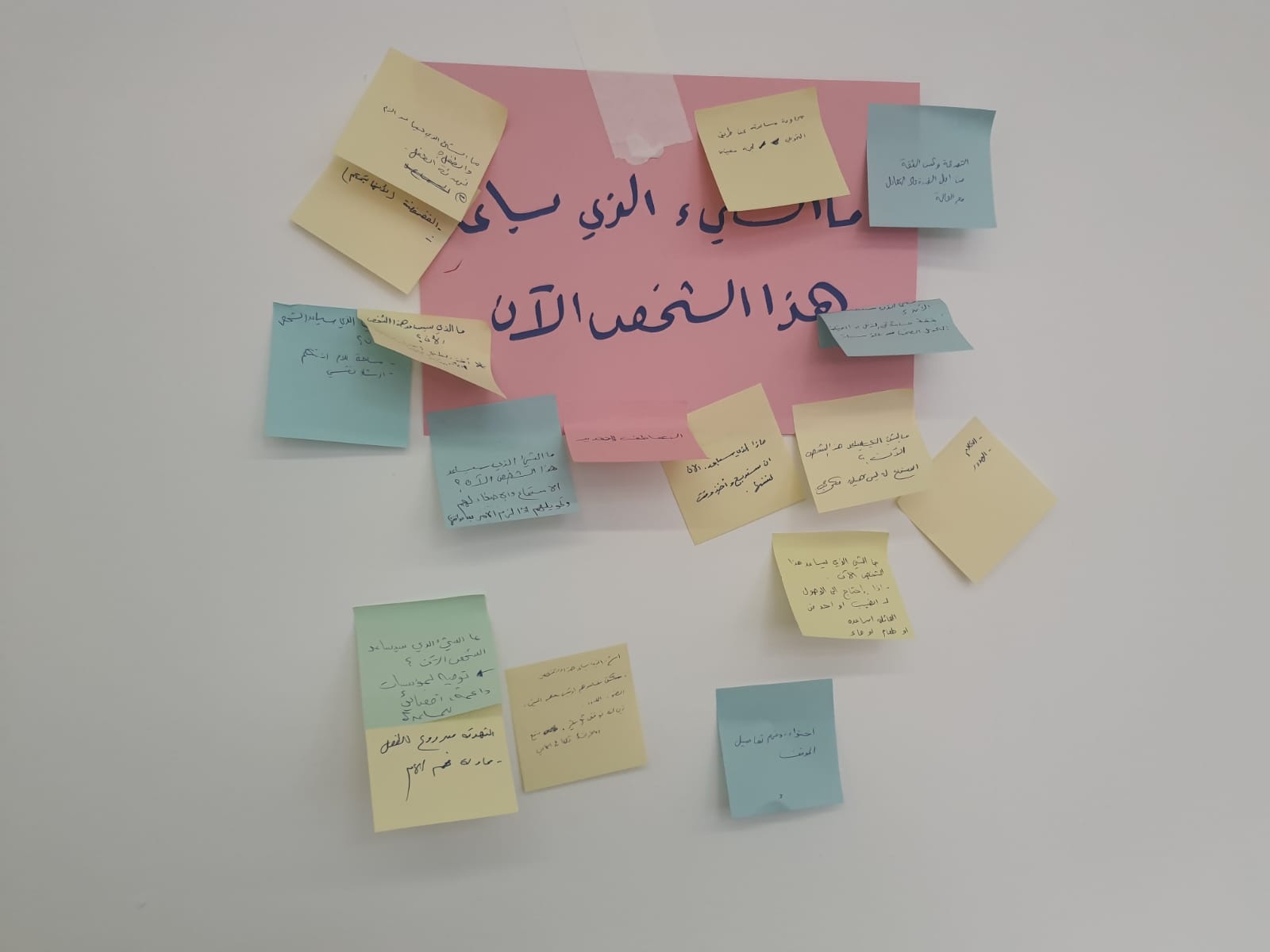
The training covered a comprehensive set of key topics, including mental health and psychosocial support (MHPSS), Psychological First Aid (PFA), relaxation techniques, gender-based violence (GBV), protection and safety principles, non-communicable diseases (NCDs), as well as humanitarian principles, work ethics, and communication skills. It also addressed maternal and child health, early childhood development, first aid, infection prevention and control (IPC), and basic cardiopulmonary resuscitation (CPR) for infants.
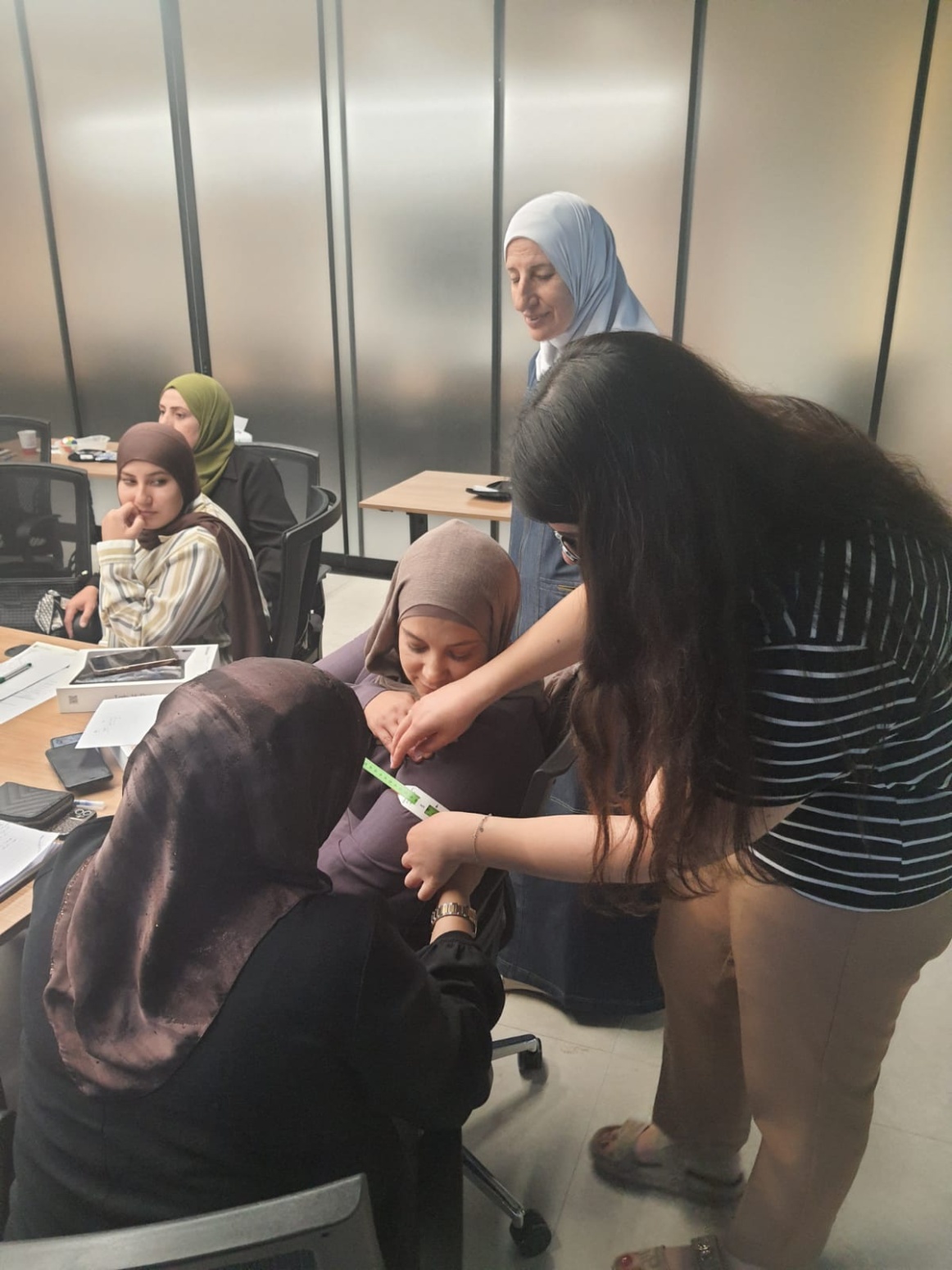
In addition, the program included practical training on assessing malnutrition cases using the Mid-Upper Arm Circumference (MUAC) tape, measuring hemoglobin levels in the blood, and managing cases of malnutrition and overweight. It also covered documentation, reporting, and referral mechanisms, further strengthening the capacity of community health workers to provide comprehensive follow-up for cases identified through home visits.
Juzoor emphasized that investing in building the capacities of community health workers is a key pillar in improving access to primary healthcare services, particularly in conflict-affected and marginalized areas. Such investment plays a crucial role in enhancing early detection of health, nutritional, psychological, and social needs, as well as improving the quality of response and referrals to specialized services when needed.
Juzoor implements the health and nutrition component of the project through the provision of primary healthcare services via home visits. These services include follow-up on non-communicable diseases, care for women and pregnant women before and after childbirth, nutritional assessment of children and women, as well as counseling and referral to specialized services when necessary.
This training comes as part of the joint efforts of the partners to strengthen the resilience of the most conflict-affected communities in the West Bank, by investing in and developing the capacities of local health workers. This ensures the delivery of more sustainable and higher-quality health and nutrition services and improves access of the most vulnerable groups to essential services.