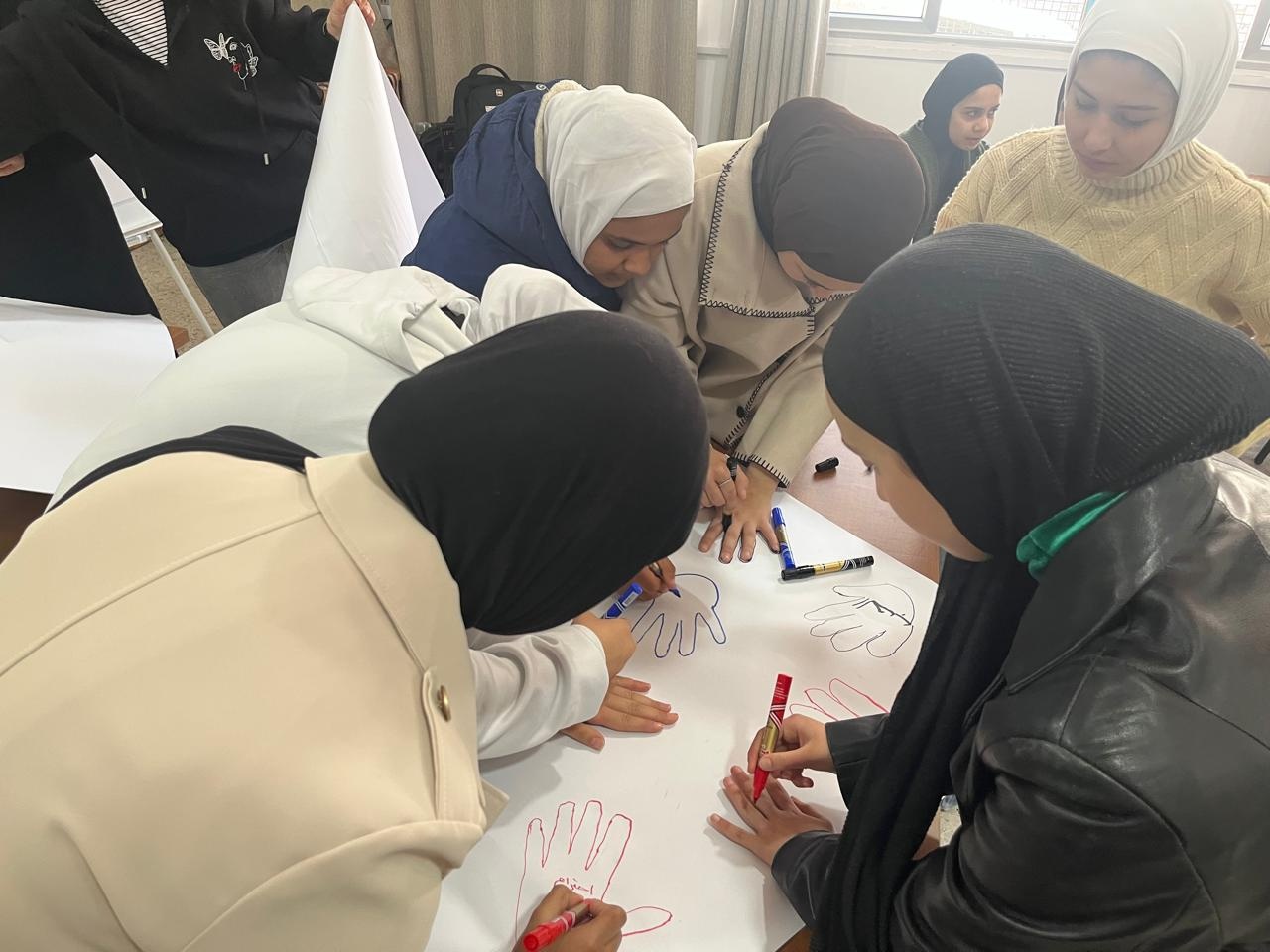
Under the “Powered by Women” Project: Juzoor Strengthens the Empowerment of Women and Girls Through Three Training
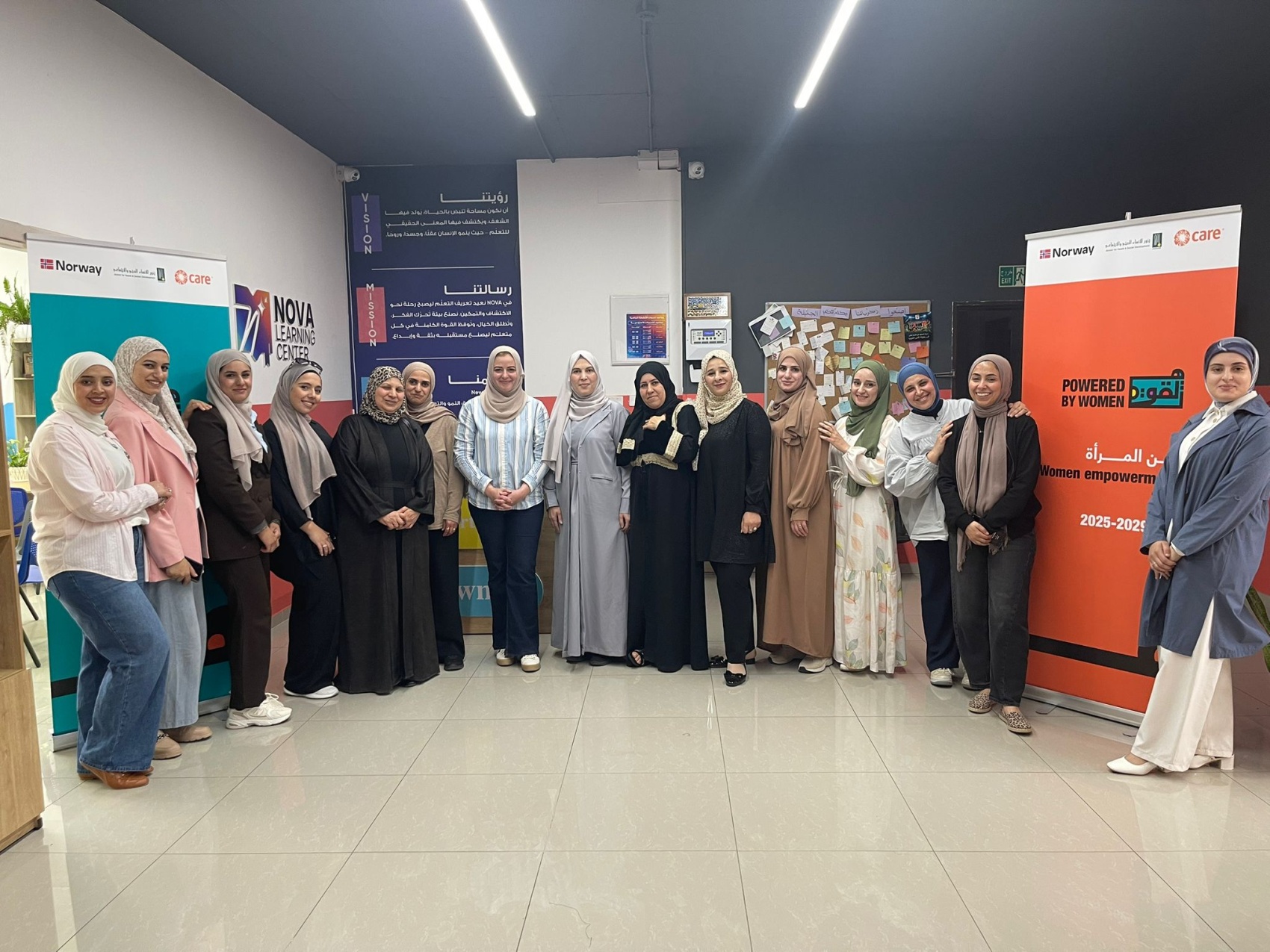
As part of the “Powered by Women” project, aimed at empowering women and implemented by Juzoor for Health and Social Development in partnership with CARE Palestine and with support from the Norwegian Agency for Development Cooperation (Norad), Juzoor conducted a series of specialized trainings designed to strengthen the role of women, young women, and adolescent girls in building more aware, equal, and resilient communities capable of creating positive change.
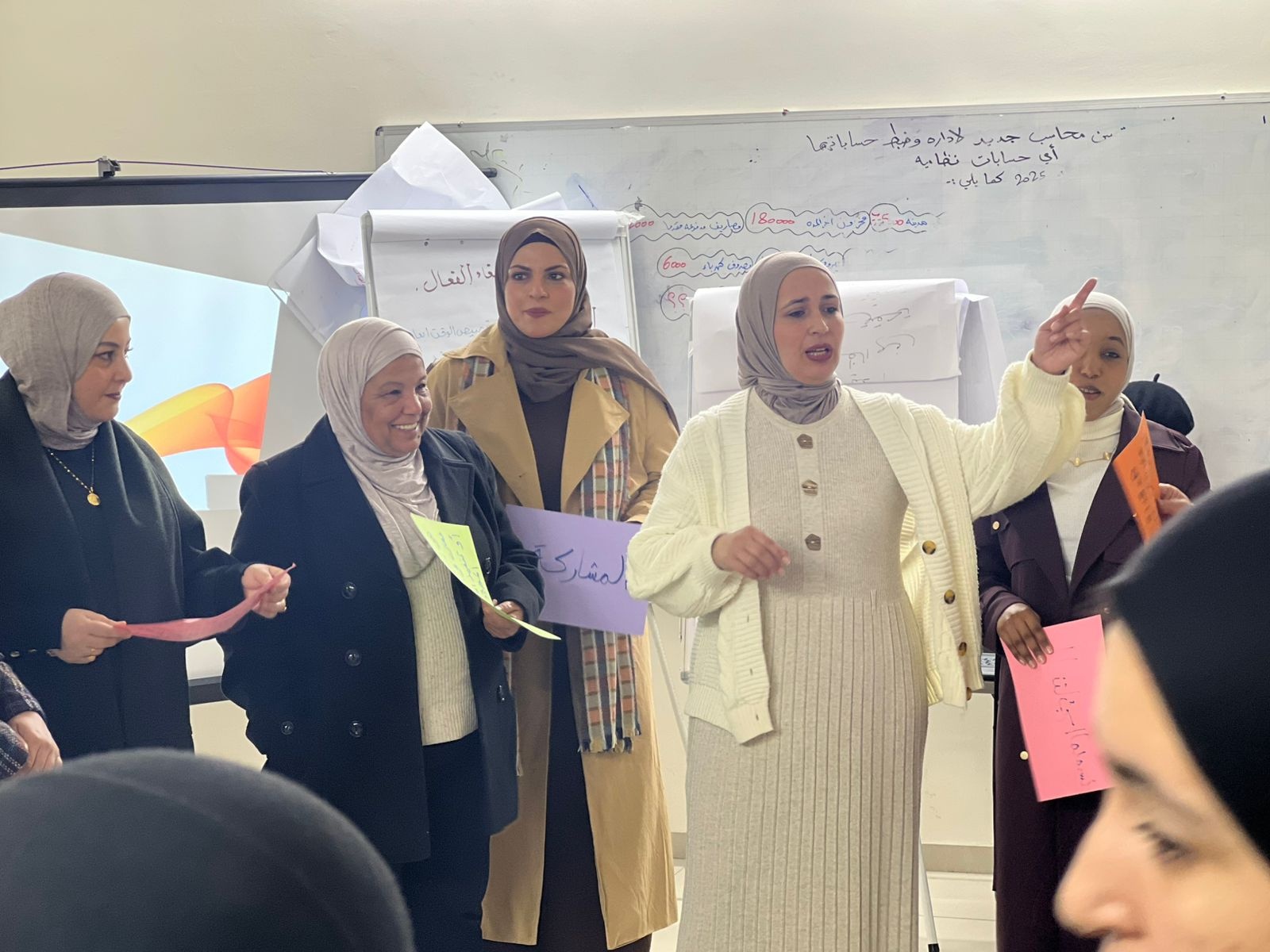
The activities included three main training tracks, designed to address the needs of women and girls across different age groups. The first was the Community Leadership Training, which targeted women leaders and young women aspiring to create positive change in their communities. The training focused on developing leadership, communication, and influencing skills, while introducing participants to women’s rights, gender equality, advocacy, and humanitarian protection principles.
This was followed by the Sexual and Reproductive Health Training, which addressed topics including reproductive health, menstrual health and related practices, as well as sexuality education for children and adolescents and concepts of physical and psychological protection. The training also highlighted the role of parents and service providers and promoted peer-to-peer education.
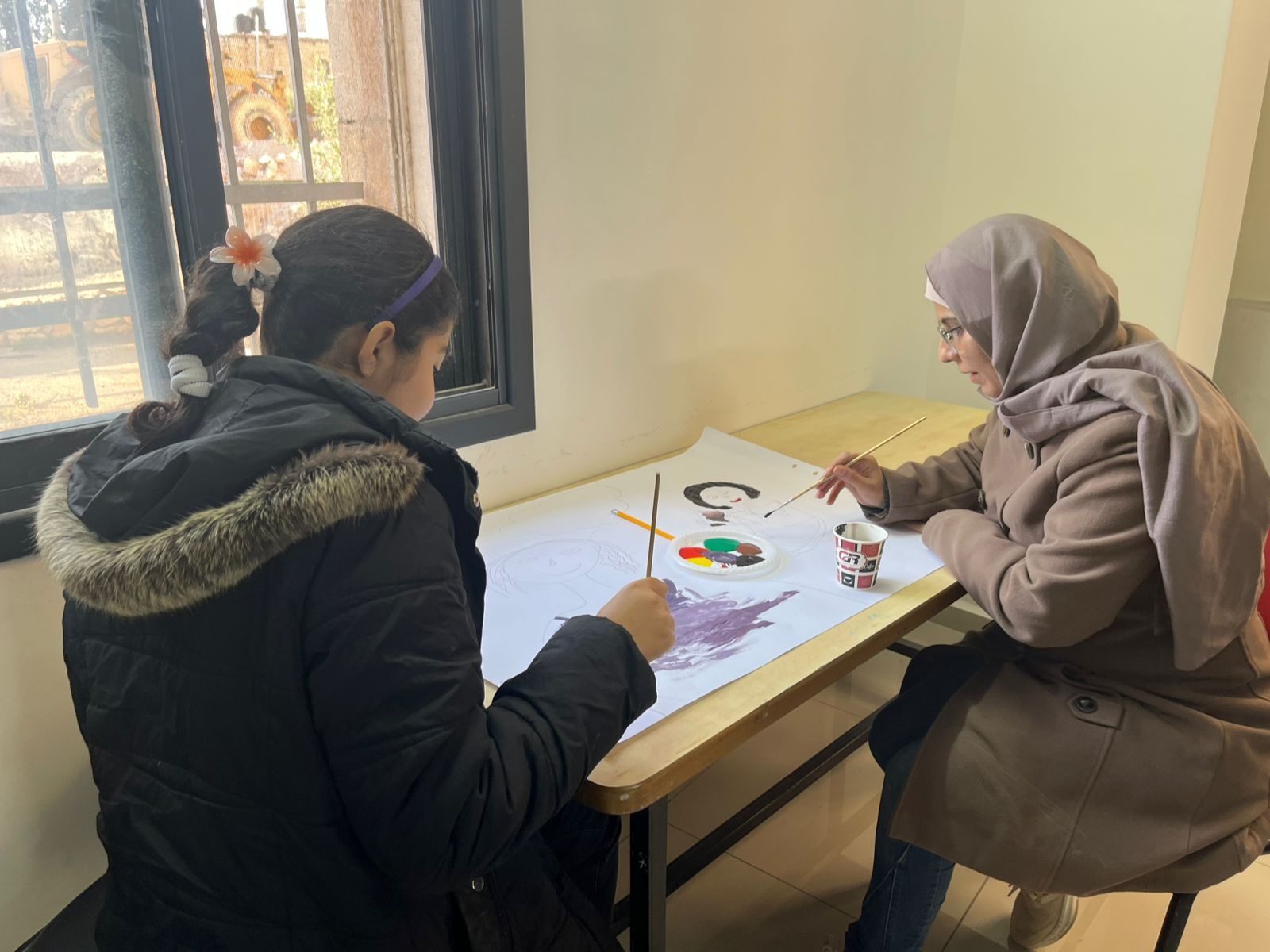
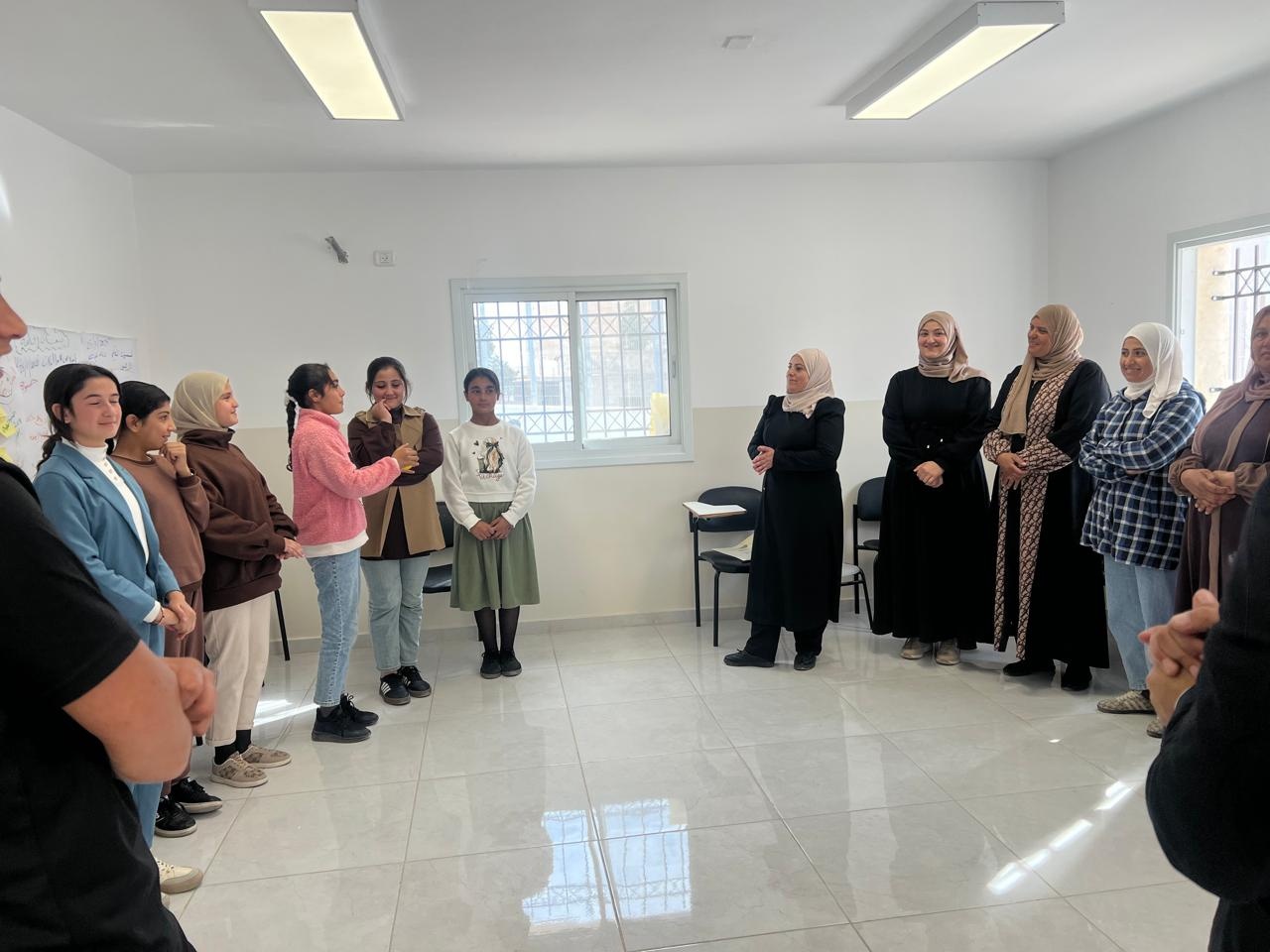
The Life Skills and Intergenerational Dialogue Training was also implemented, focusing on developing adolescents’ skills in decision-making, communication, and self-confidence. The trainings were conducted in Jenin, Yatta, Nablus, and Tubas, and concluded with a dialogue day bringing adolescents together with parents as part of the Intergenerational Dialogue component. The session aimed to foster safe discussions around sexual and reproductive health issues and strengthen communication within families.
These efforts continue as part of the project, with the upcoming phases focusing on supporting participants in implementing community-based initiatives, further strengthening their leadership roles and contributing to building a more aware, equitable, and healthy society.