Juzoor Successfully Holds the 7th National Nutrition Conference on Addressing the Triple Burden of Malnutrition among Children in Palestine
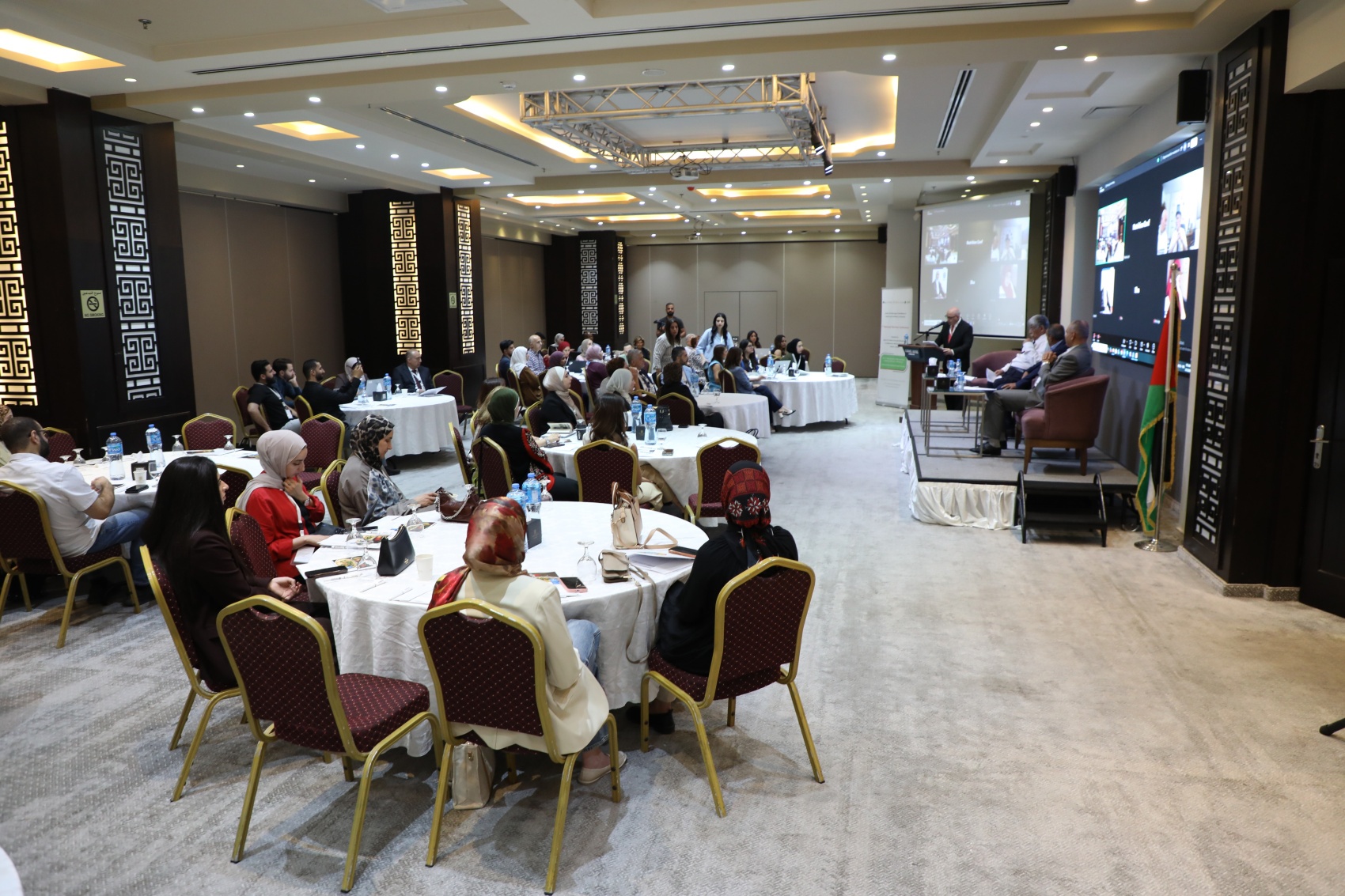
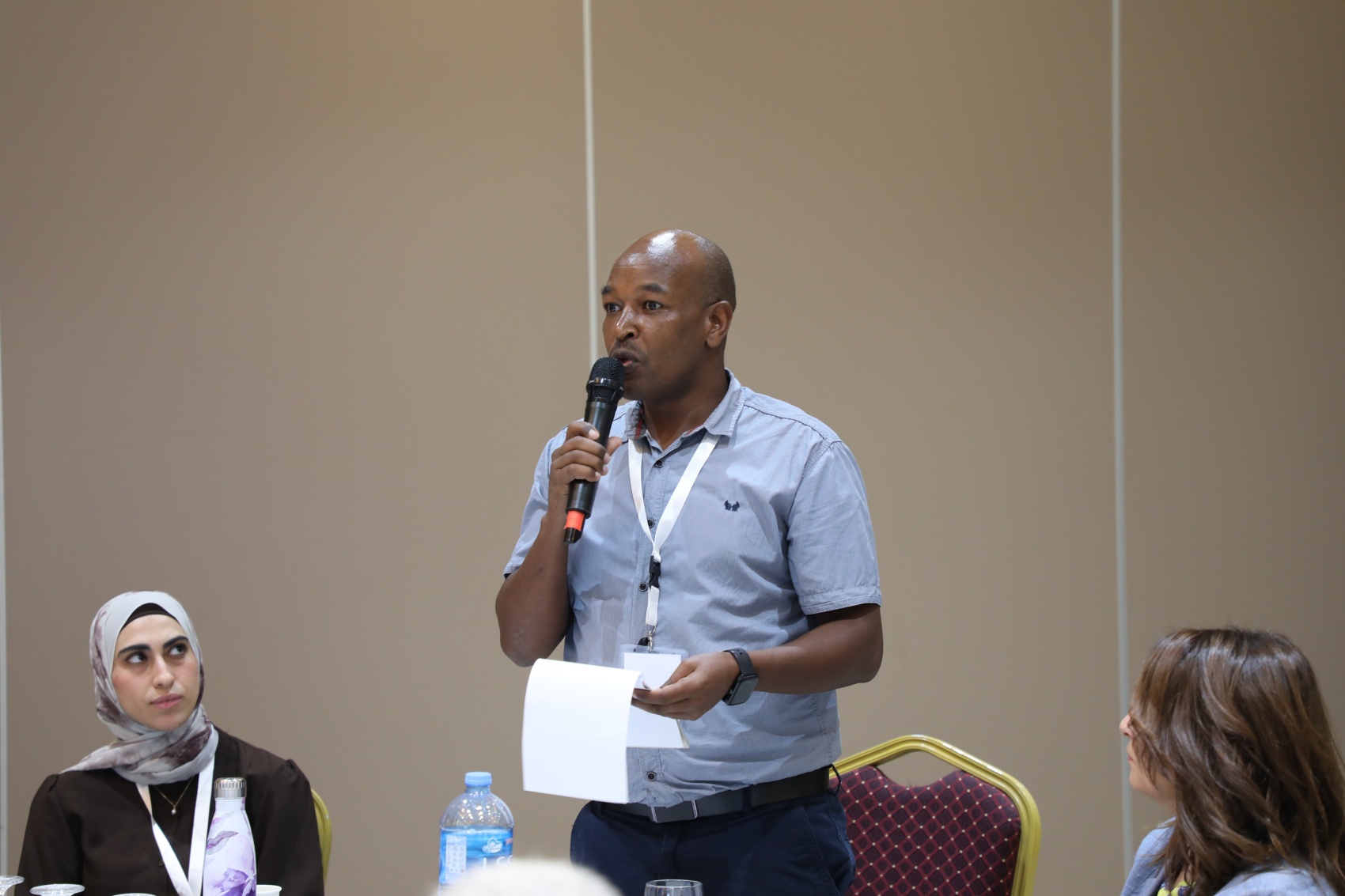
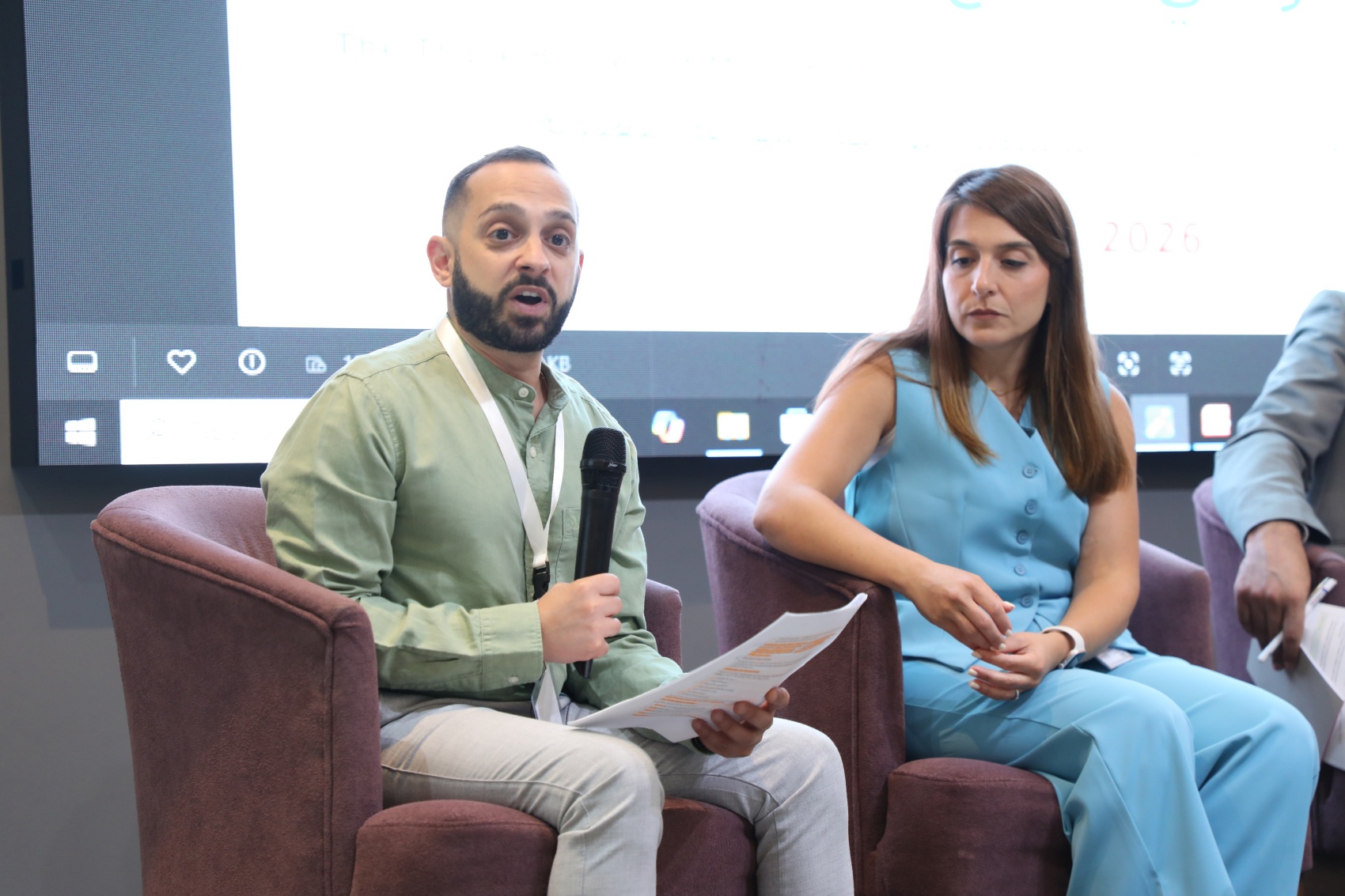
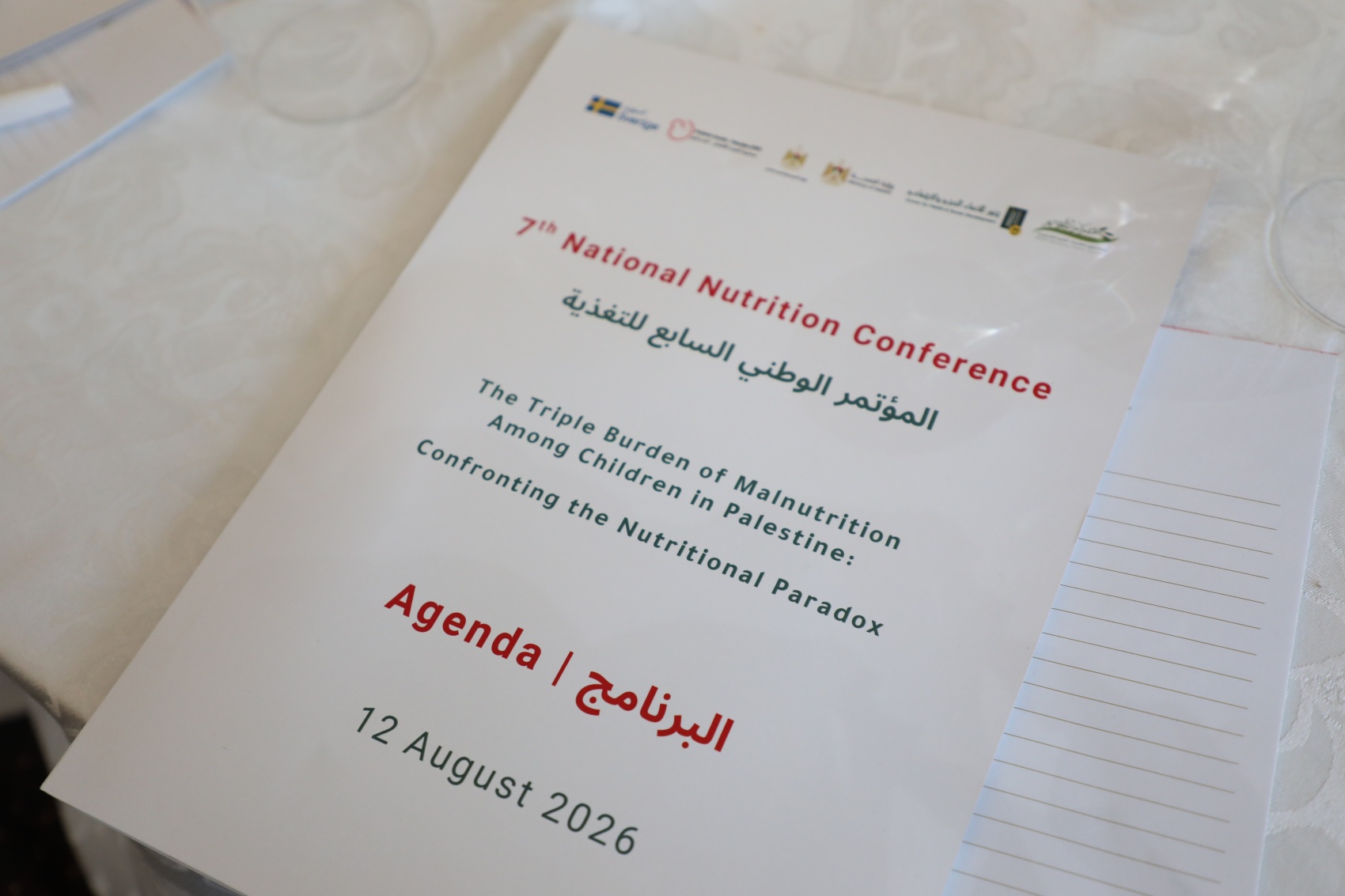
Juzoor for Health and Social Development held the 7th National Nutrition Conference on Wednesday, August 12, 2026, under the theme: “The Triple Burden of Malnutrition among Children in Palestine: Conforting the Nutrition Paradox.” The conference was organized in cooperation with the Palestinian Ministry of Health, the Ministry of Education and Higher Education, and the Palestinian Pediatric Association, in partnership with the NGO Development Center (NDC), and with support from the Swedish International Development Cooperation Agency (Sida).
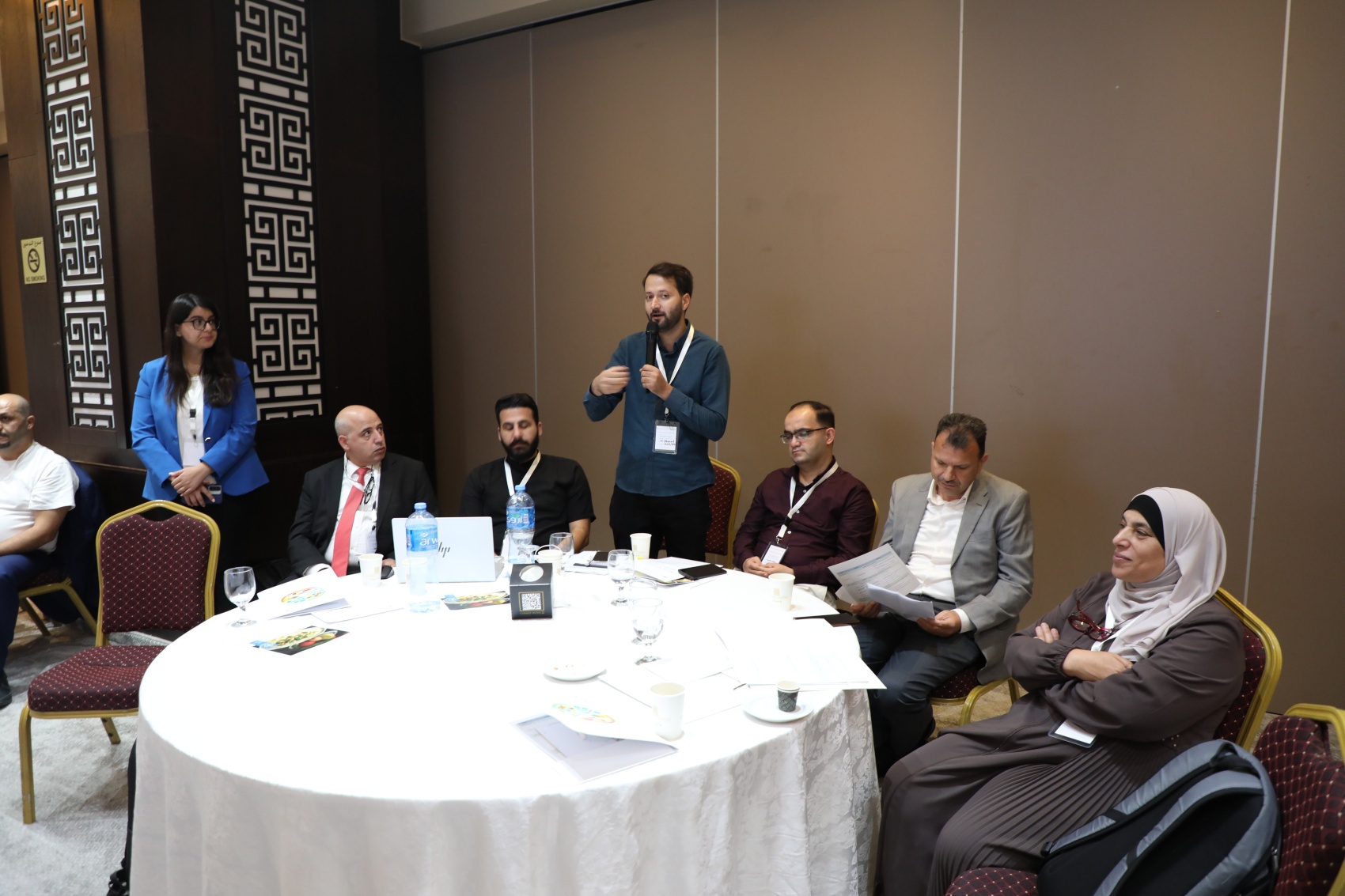
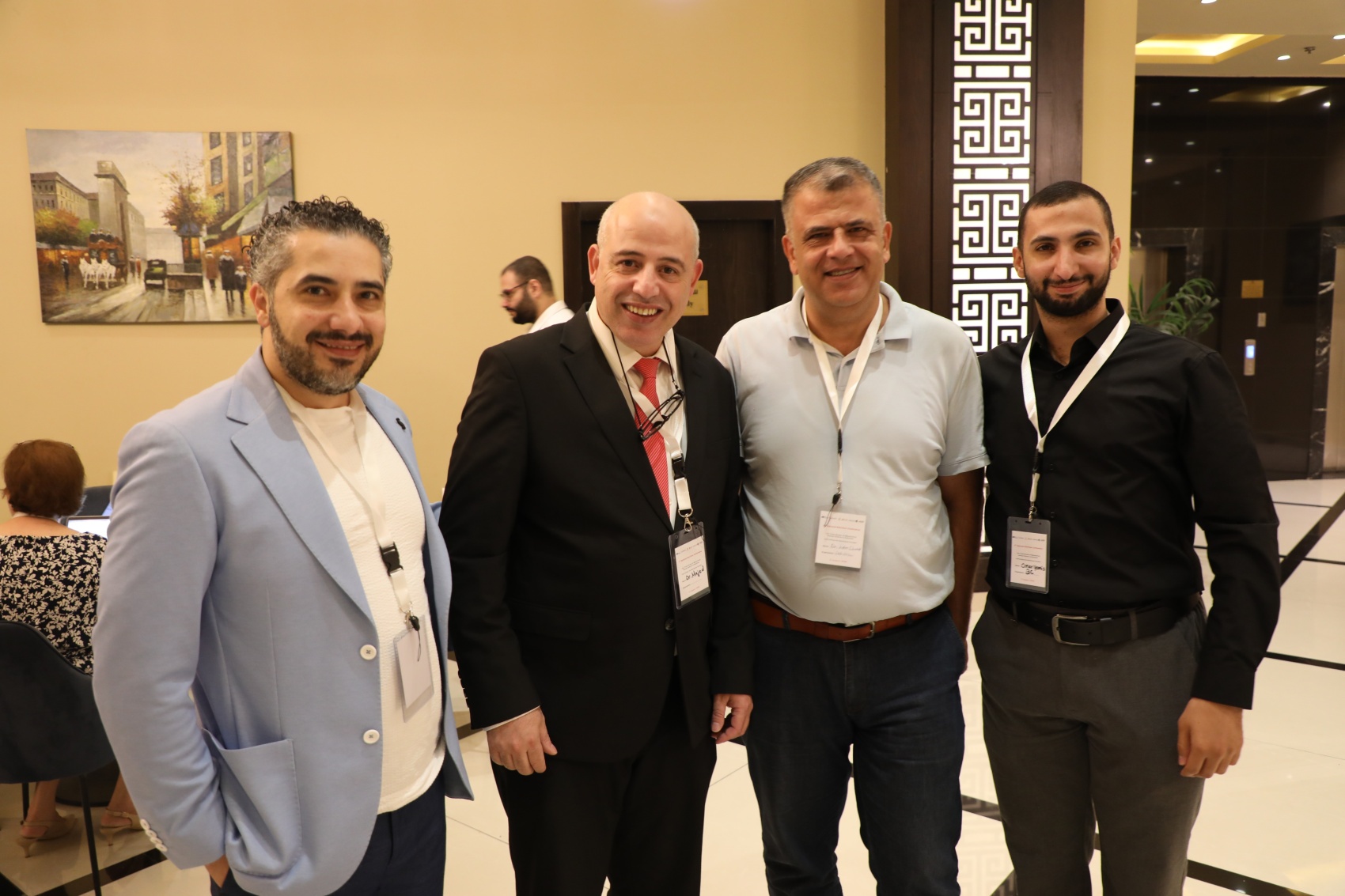
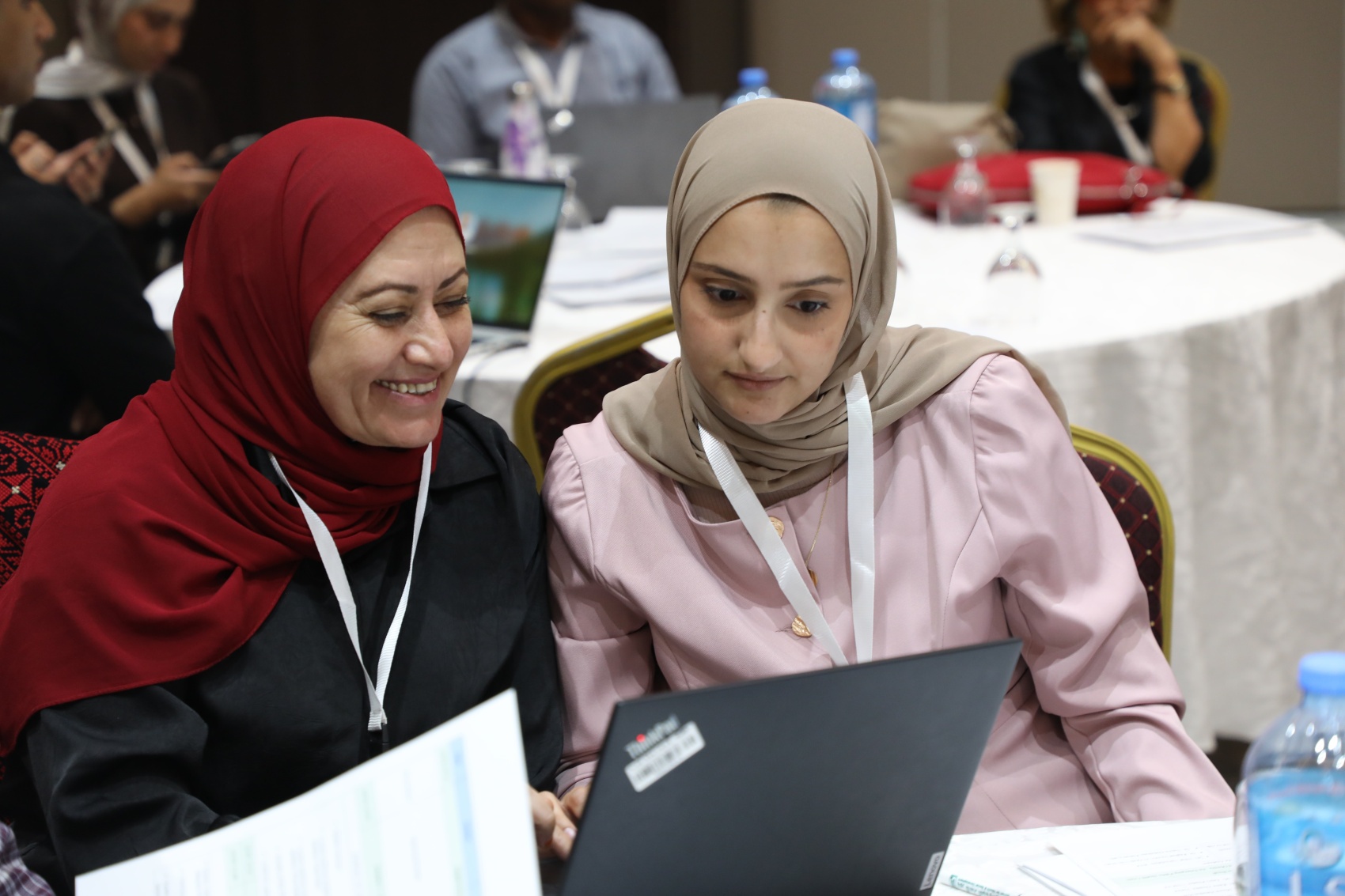
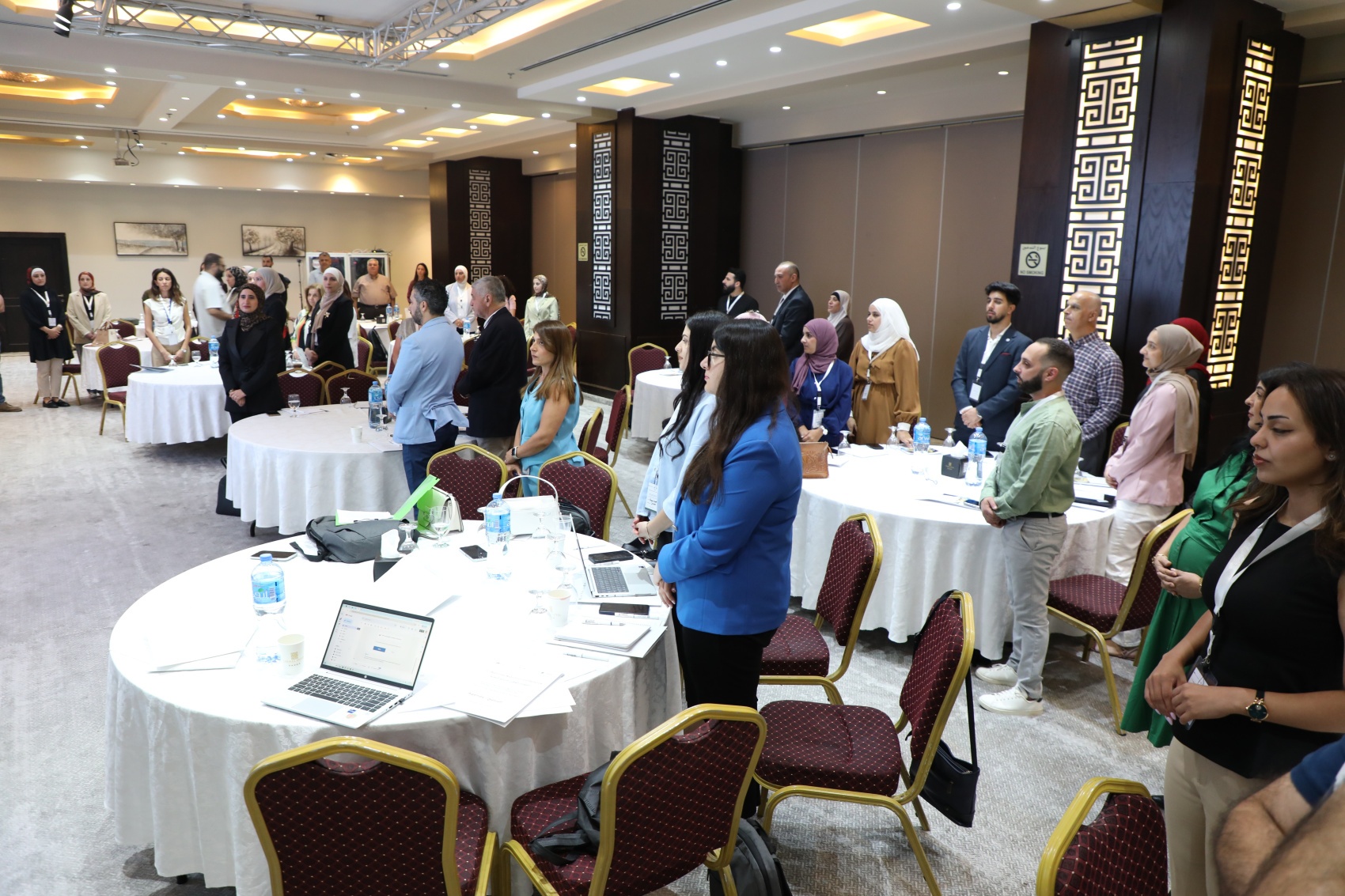
The conference brought together representatives from ministries and national institutions, international and UN organizations, universities, professional associations, and civil society organizations, alongside experts and specialists in health and nutrition.
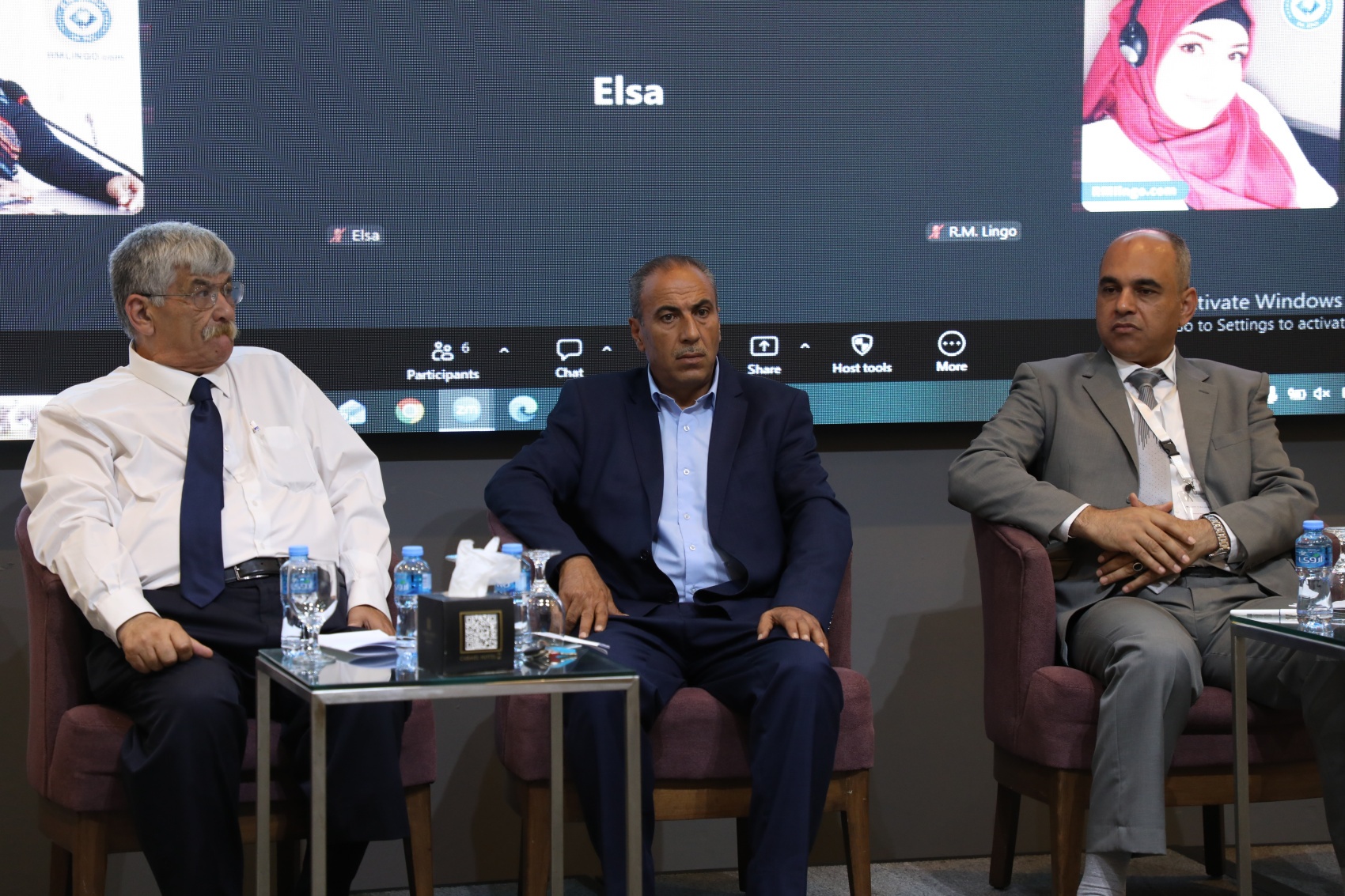
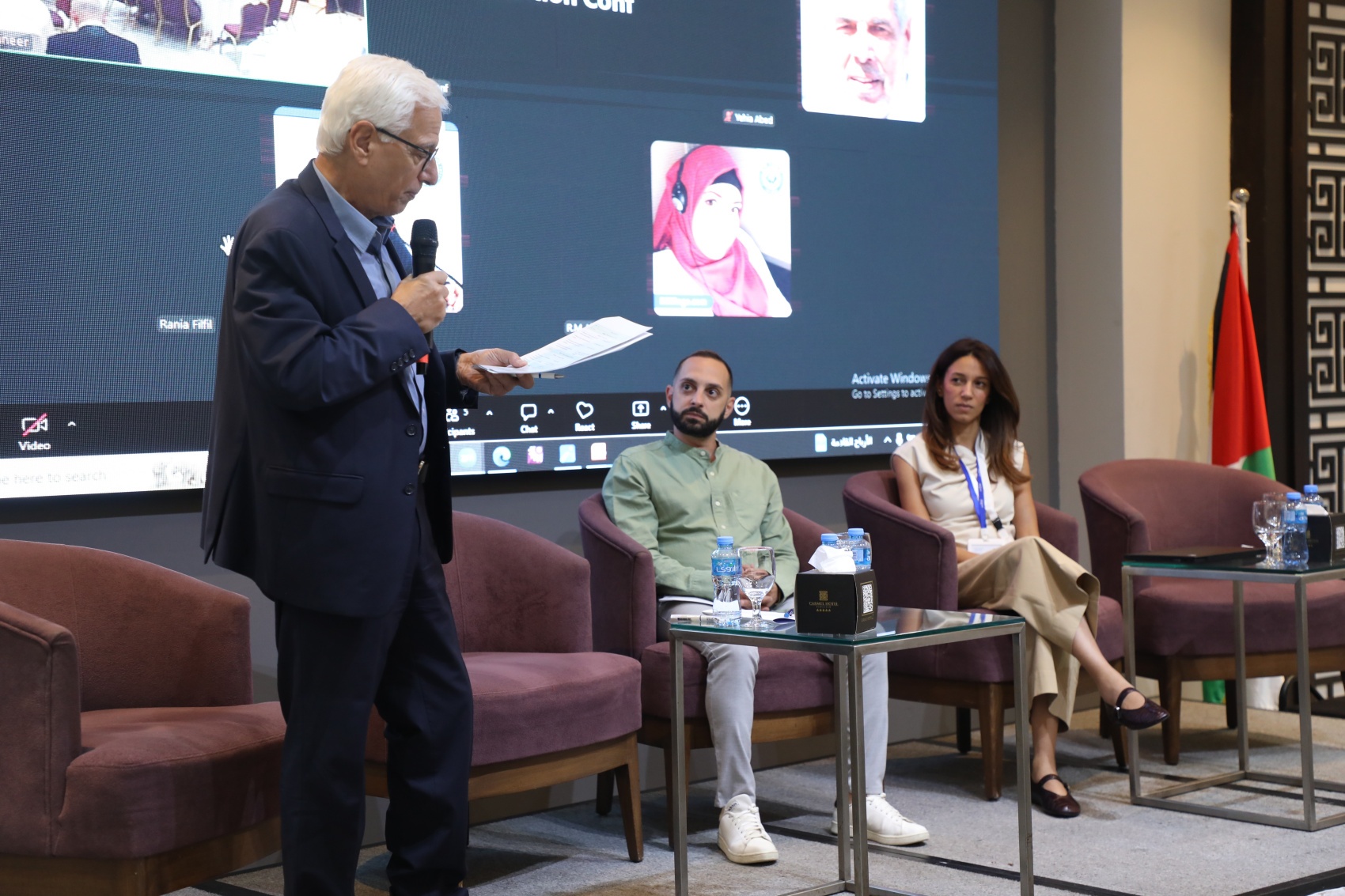
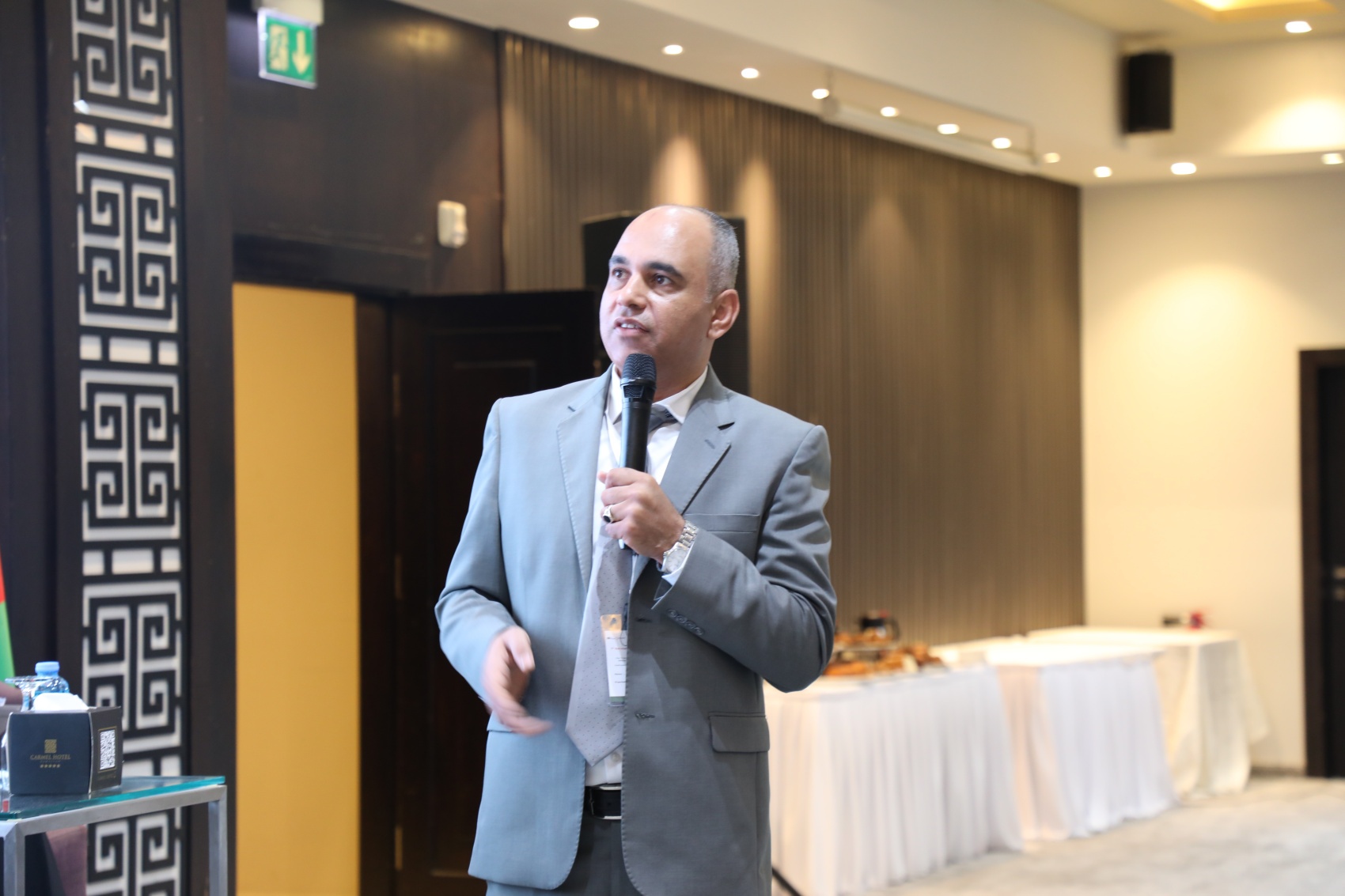
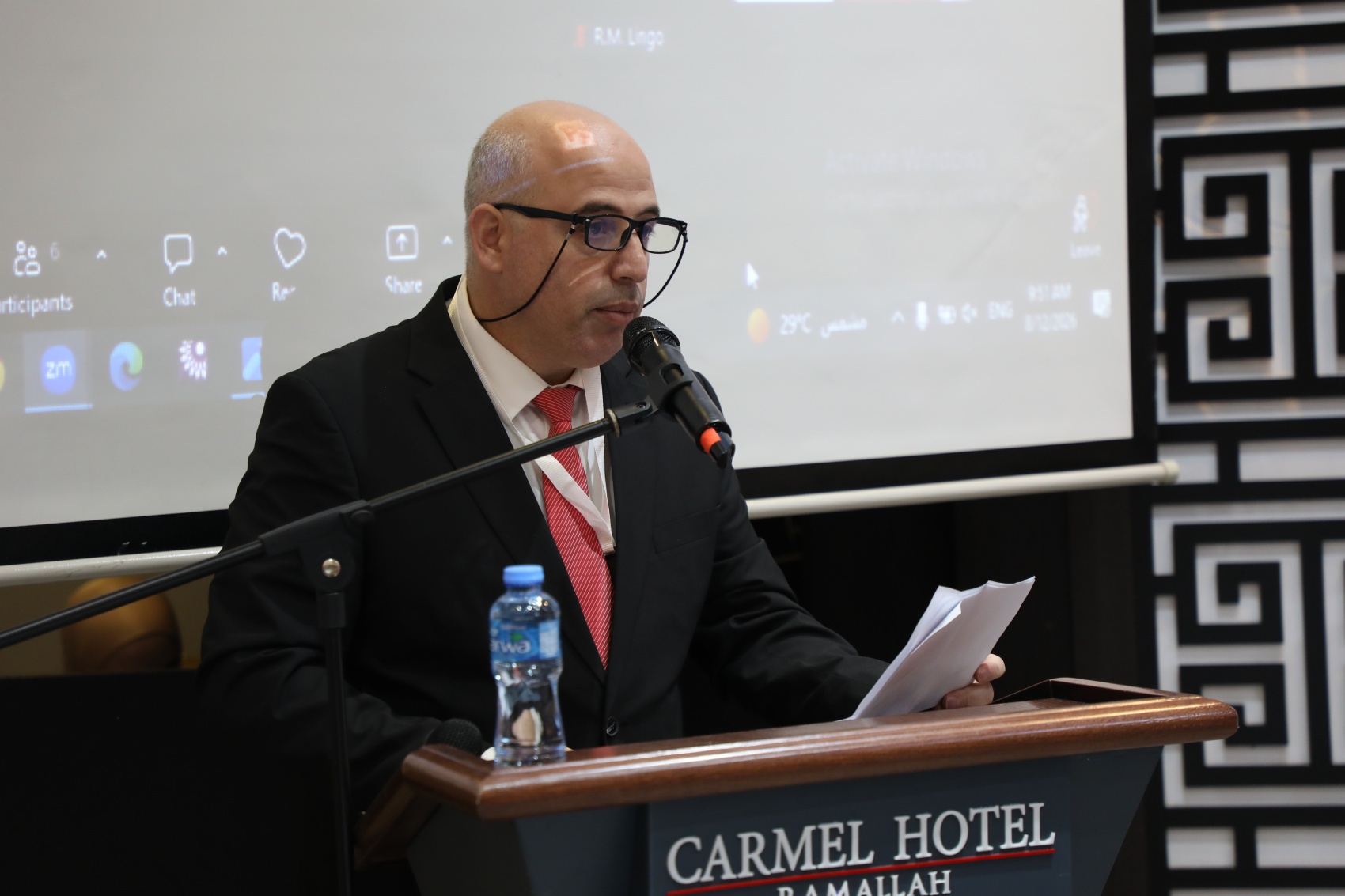
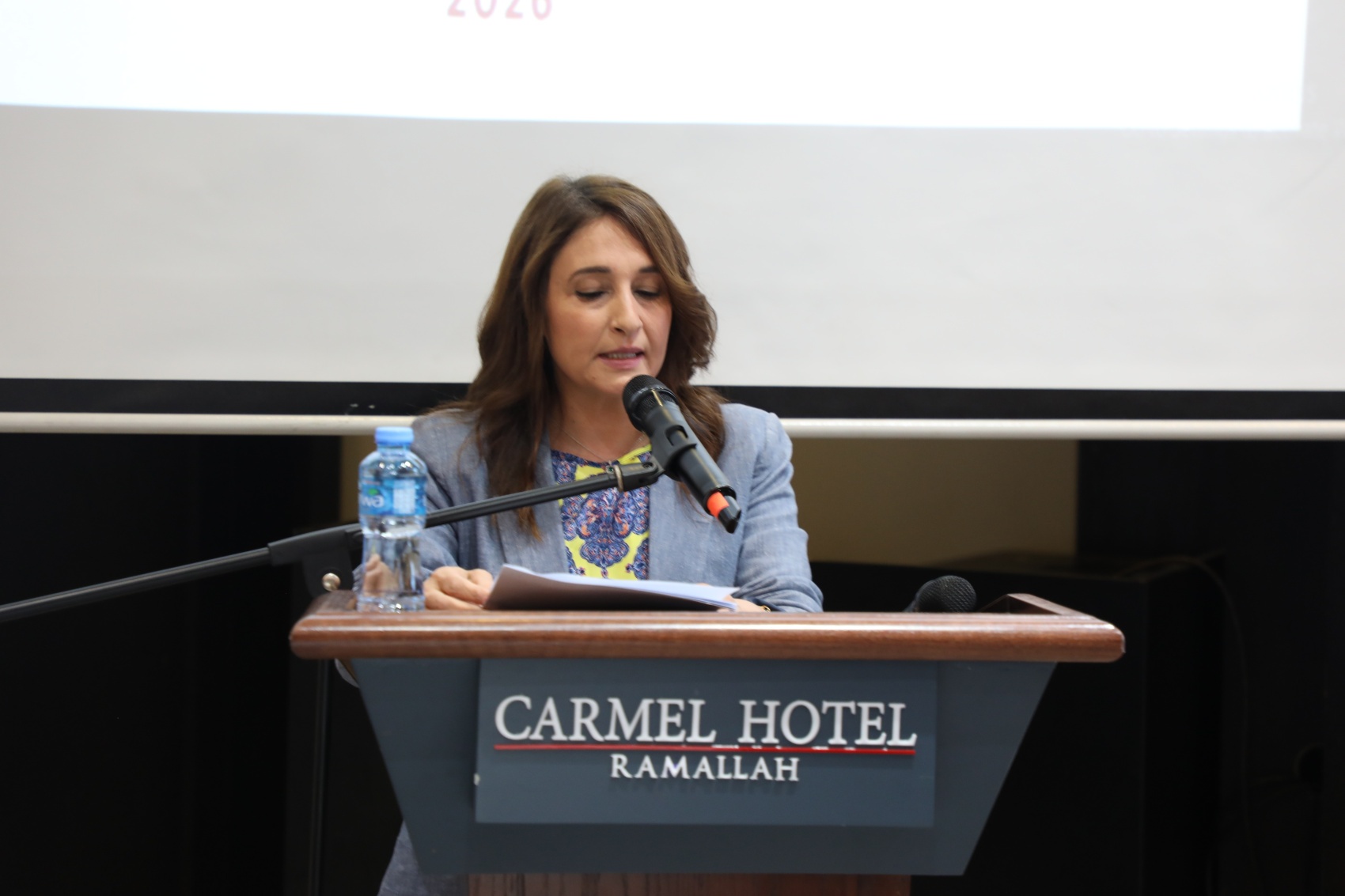
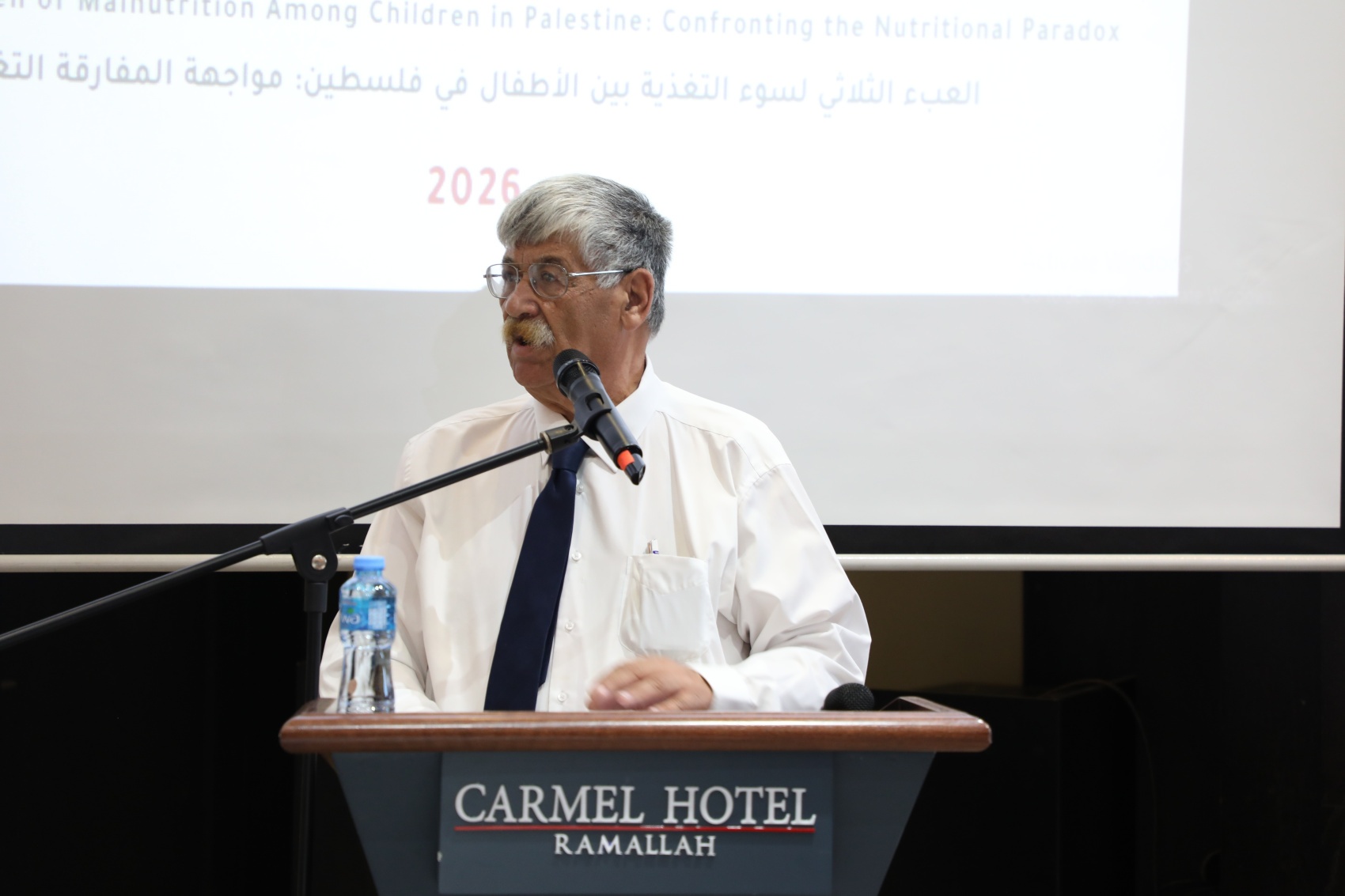
In his opening remarks, Dr. Umaiyeh Khammash, Director General of Juzoor, emphasized that child nutrition goes beyond being a health issue, stating: “Child nutrition is not merely a health issue; it is a development and national priority and a genuine investment in Palestine’s future. A child who grows up healthy today is the person capable of learning, creating, and contributing tomorrow, and is a cornerstone for building a stronger and more resilient society.”
Dr. Khammash stressed that addressing the triple burden of malnutrition requires a rethinking of national policies and programs. Efforts should not be limited to ensuring children’s access to food, but should also ensure its quality, balance, and nutritional value, while promoting healthy lifestyles from pregnancy and throughout the first 1,000 days of a child’s life, extending through childhood and adolescence.
Engineer Mousa Halaika delivered opening remarks on behalf of the Minister of Health, highlighting the Ministry’s role in developing national nutrition protocols and strategies, strengthening monitoring and surveillance systems, and working with various partners to address all forms of malnutrition and protect children’s health.
Mr. Hamed Abu Makho delivered remarks on behalf of the Minister of Education and Higher Education, emphasizing the Ministry’s pivotal role in promoting healthy nutrition in schools and developing policies and procedures that encourage students to adopt healthy eating habits and support a school environment that promotes children’s health and well-being.
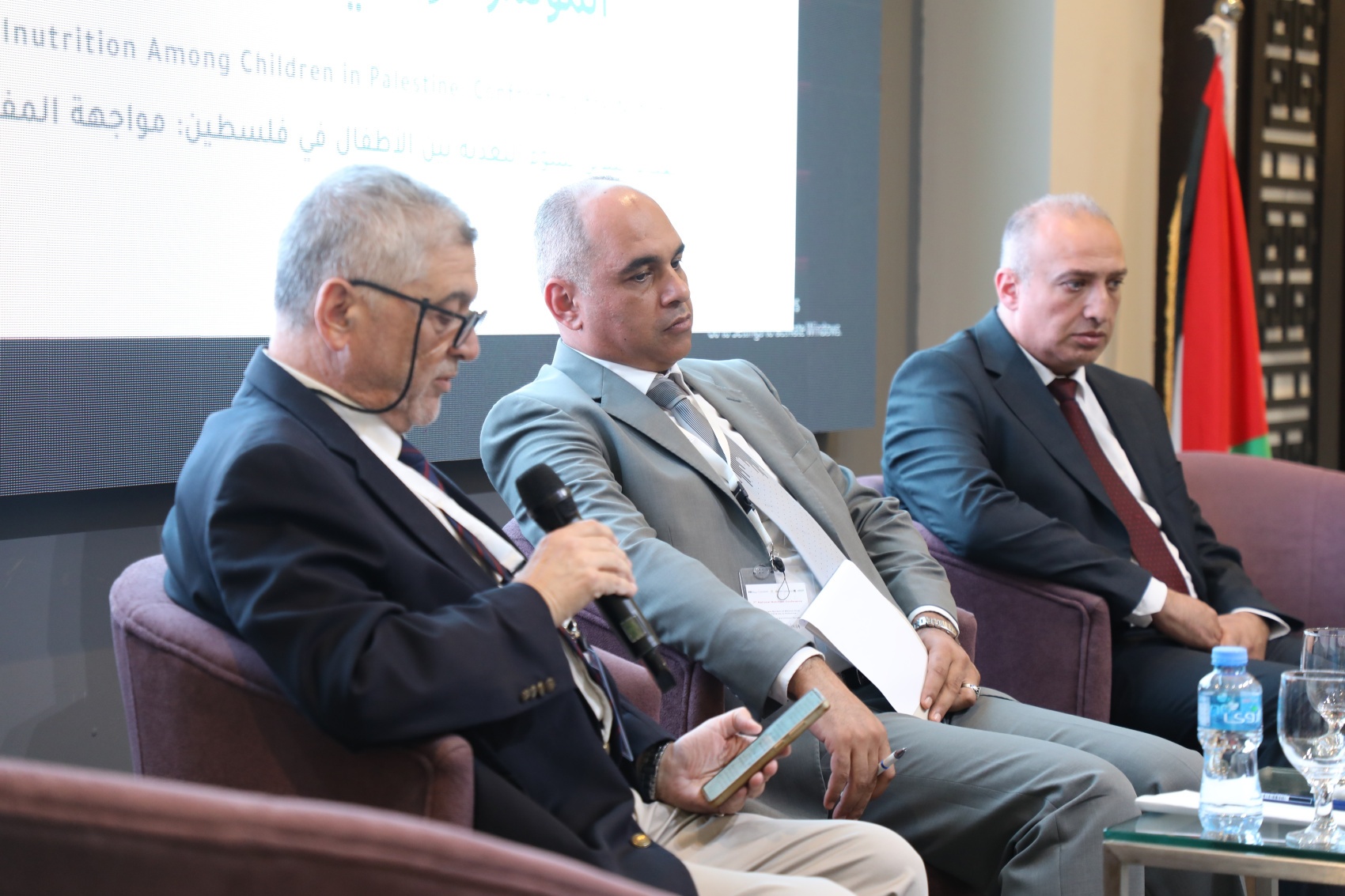
During the conference, Dr. Majed Abu Jeish, President of the Palestinian Pediatric Association, emphasized that nutrition cannot be separated from child health and is not limited to weight and height indicators. Rather, it is a fundamental component of children’s growth, development, health, learning capacity, and ability to build a better future.
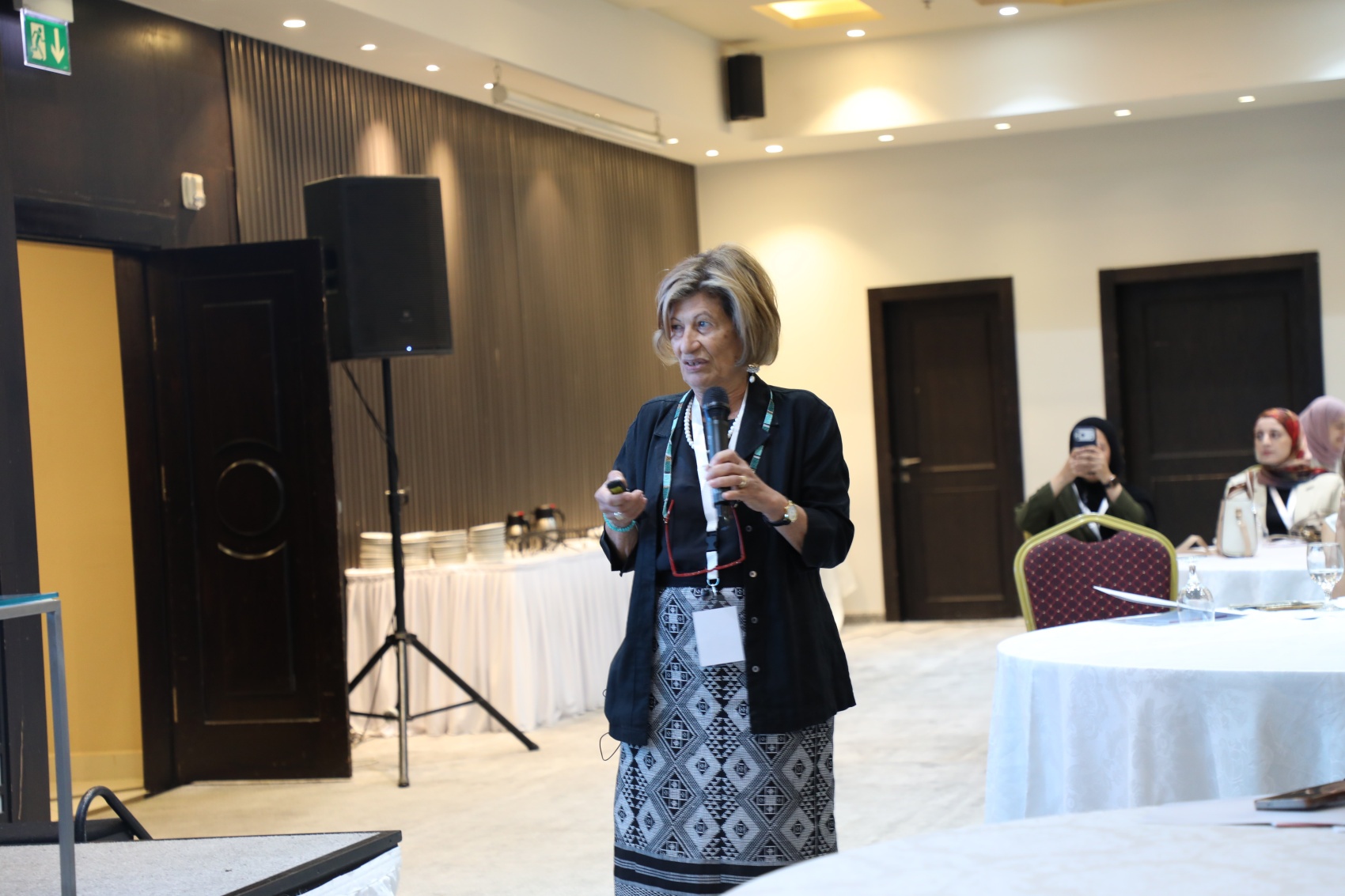
The conference sessions included a presentation by Dr. Yehya Abed, Director of Juzoor in the Gaza Strip, on the nutrition situation in Gaza. The presentation addressed key challenges related to food insecurity, acute malnutrition, micronutrient deficiencies, and declining access to healthy food and essential services, as well as the serious implications of these challenges for children’s health and development.
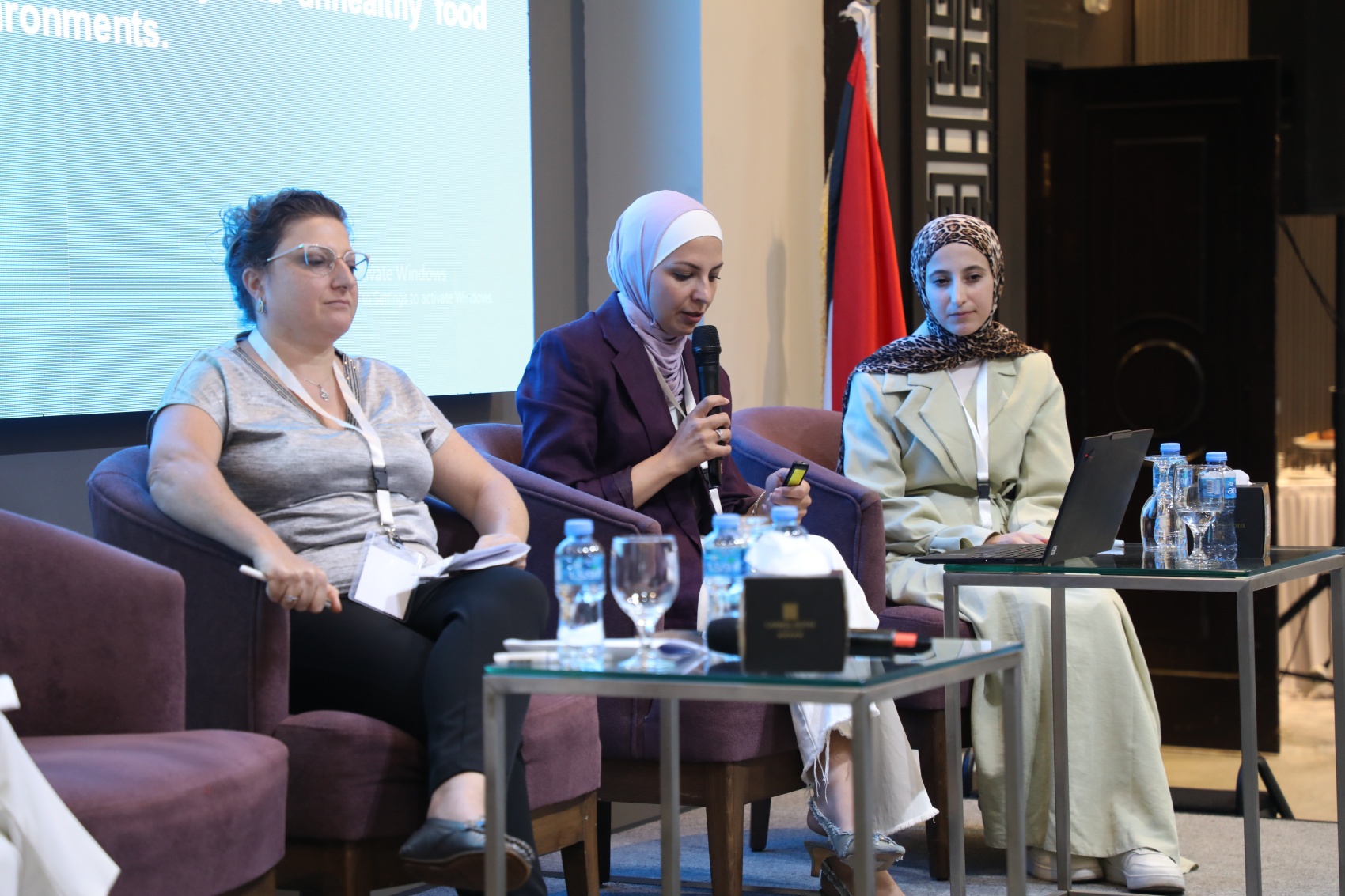
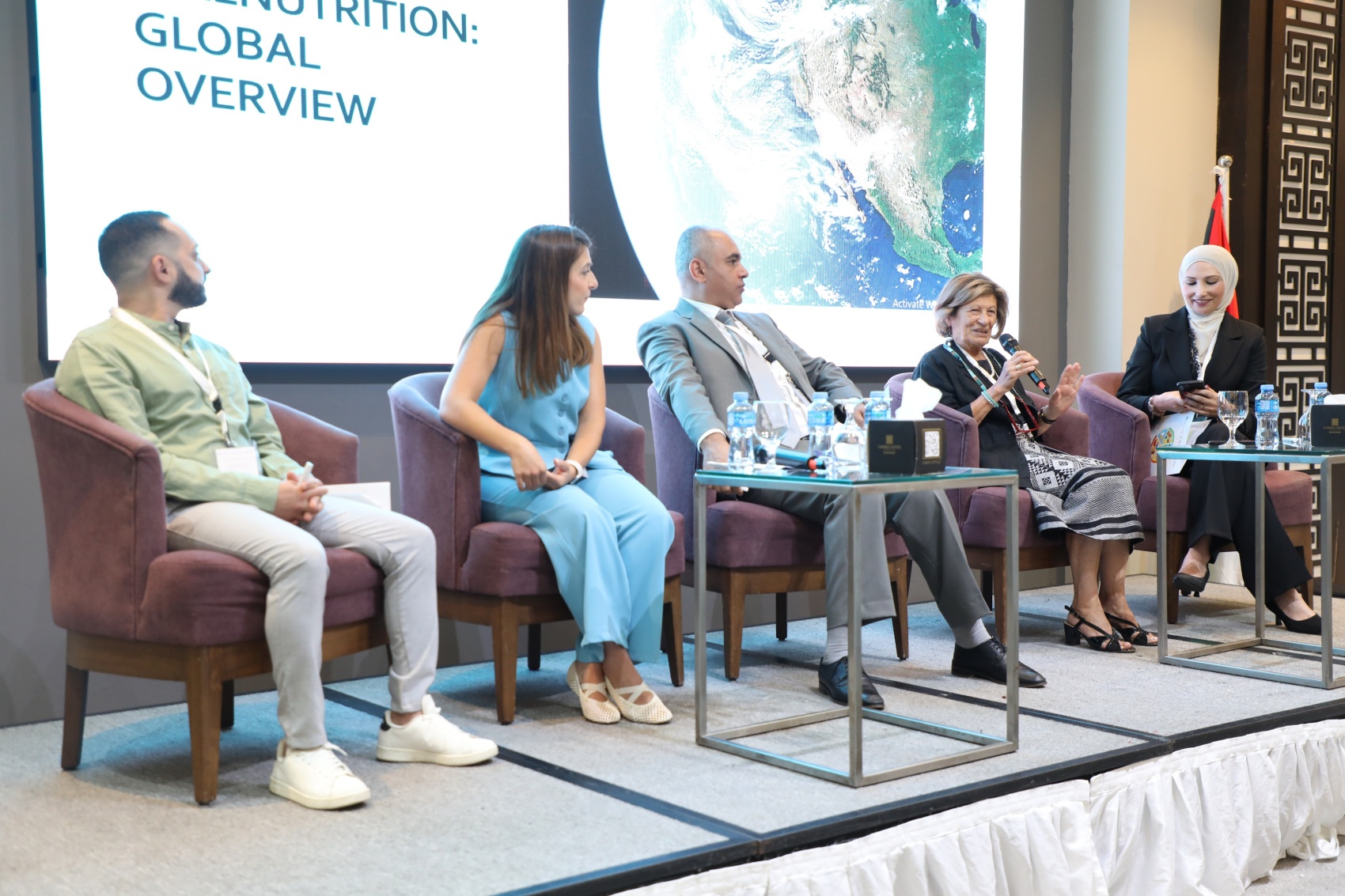
The sessions also examined the triple burden of malnutrition in Palestine, encompassing undernutrition and food shortages, micronutrient deficiencies—often referred to as “hidden hunger”—as well as the increasing rates of overweight and obesity among children and adolescents and the associated risks of noncommunicable diseases.
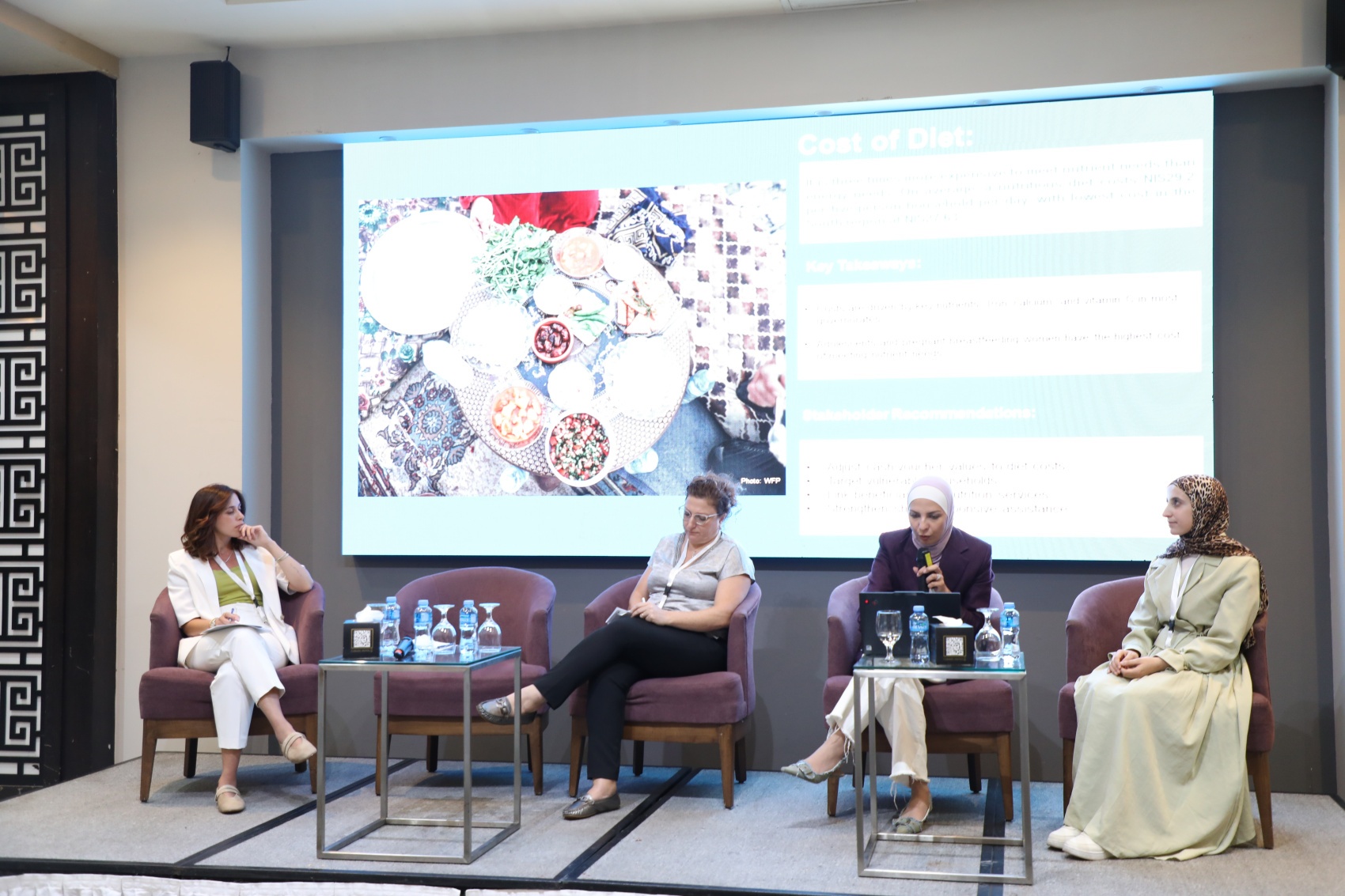
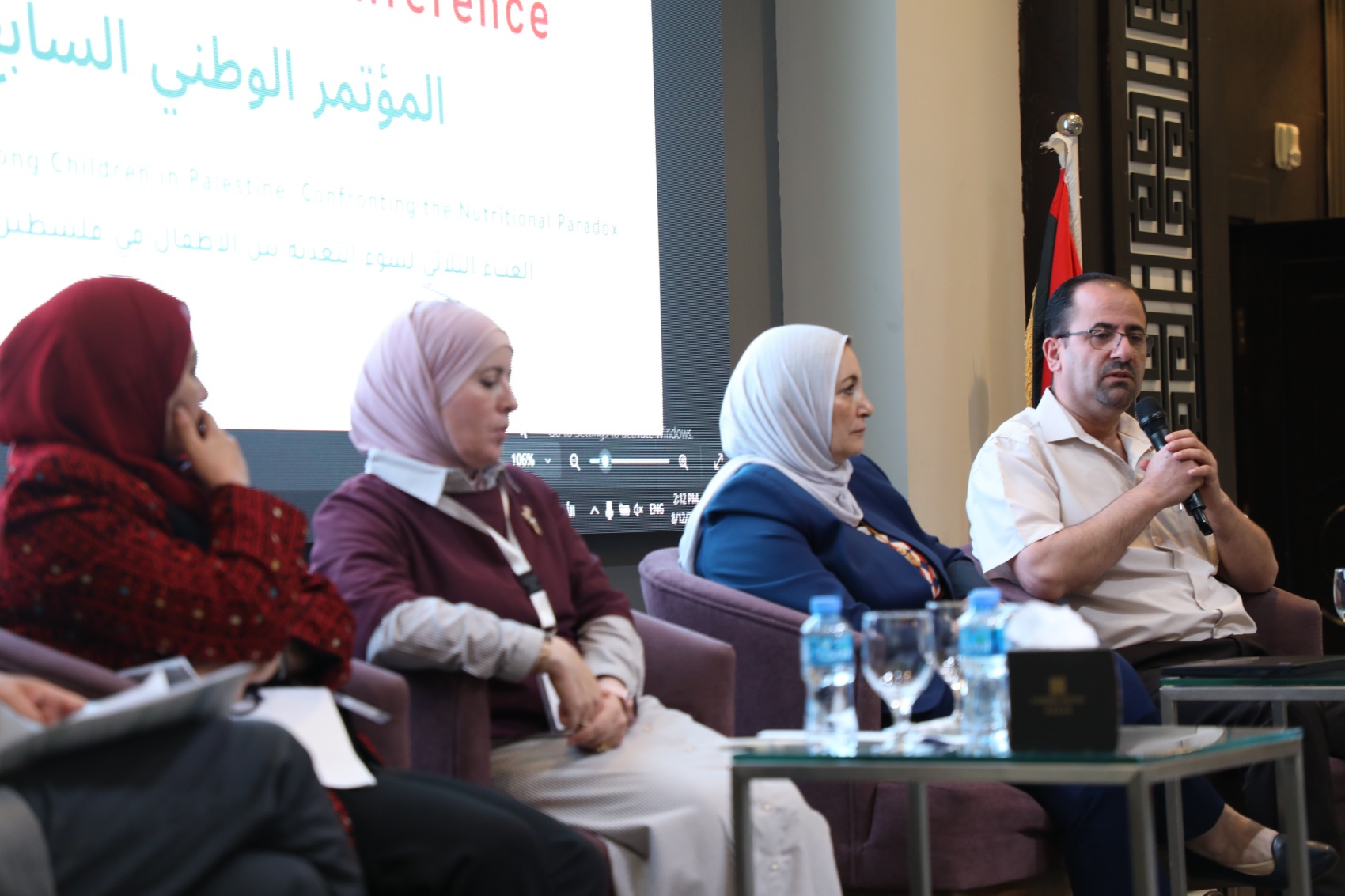
Discussions addressed changes in dietary patterns and unhealthy food environments, maternal and adolescent girls’ nutrition, infant and young child feeding, the integration of nutrition into early childhood development programs, strengthening healthy food environments in schools, the role of regulatory authorities in consumer protection, and the review of relevant national policies, protocols, and programs.
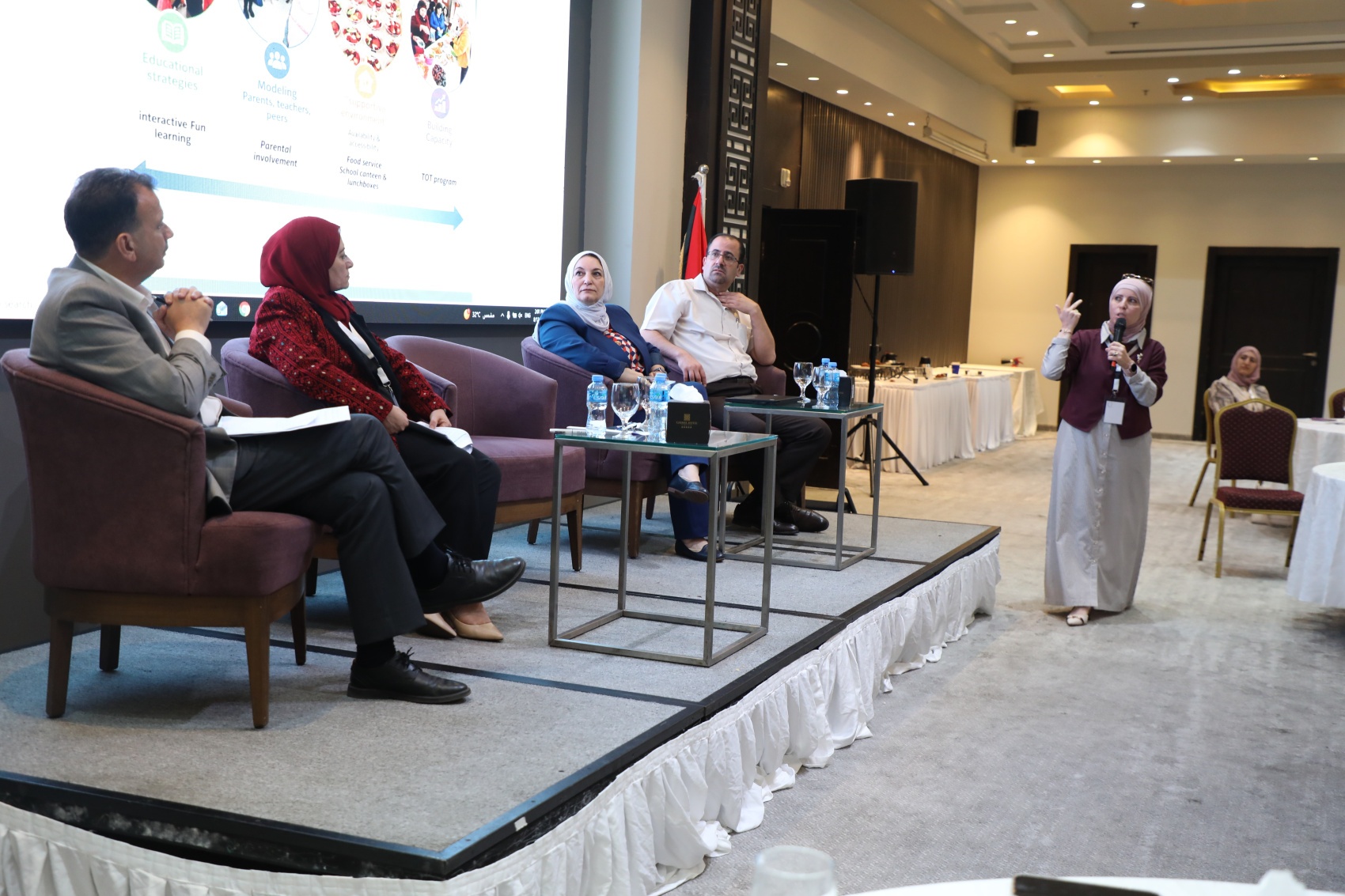
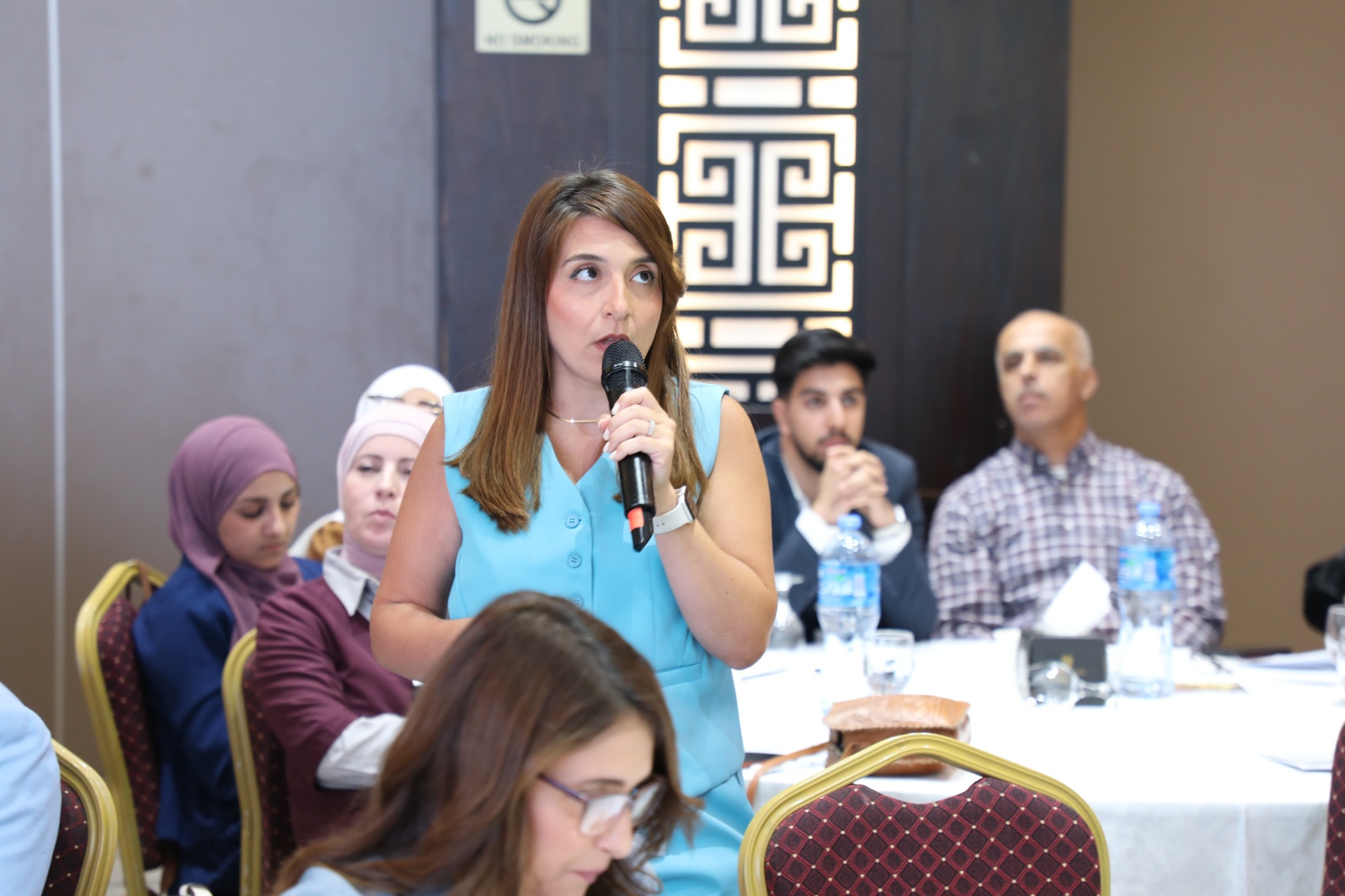
The conference concluded with an interactive discussion aimed at identifying national priority actions and developing practical short- and long-term recommendations. Participants emphasized the importance of multisectoral coordination, strengthening partnerships and accountability, and improving monitoring and surveillance systems to ensure every Palestinian child’s right to adequate nutrition, good health, and full development.