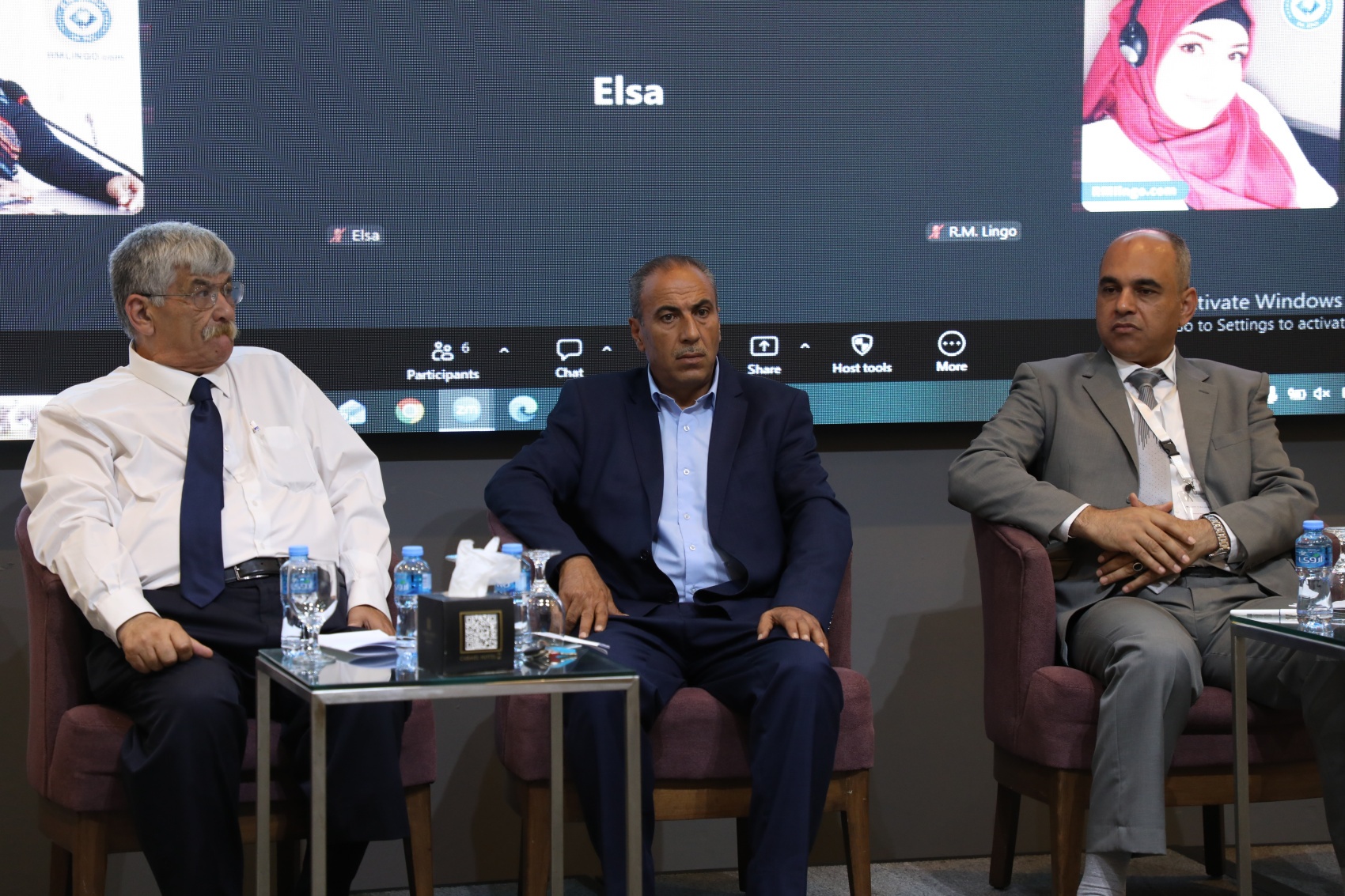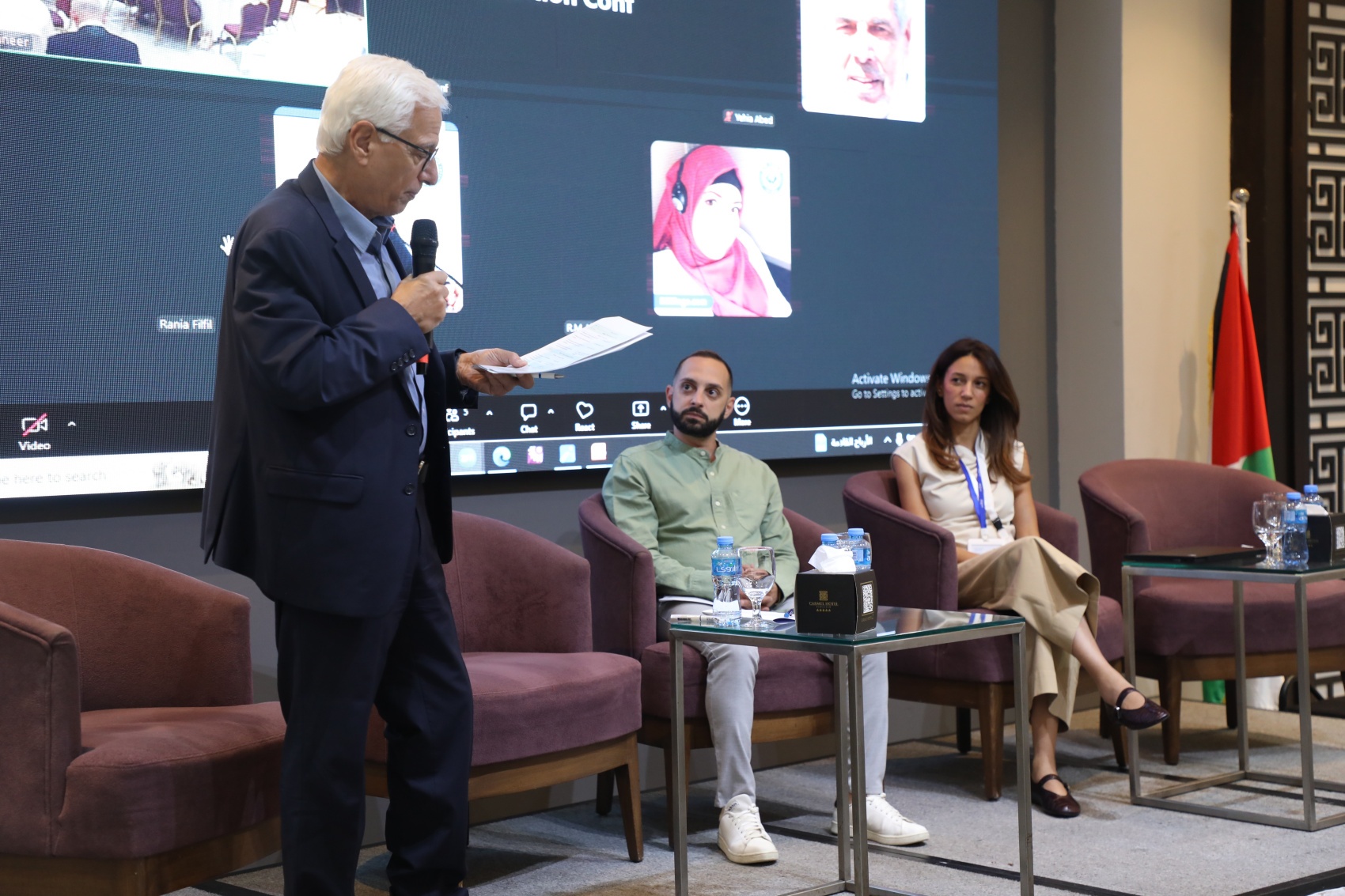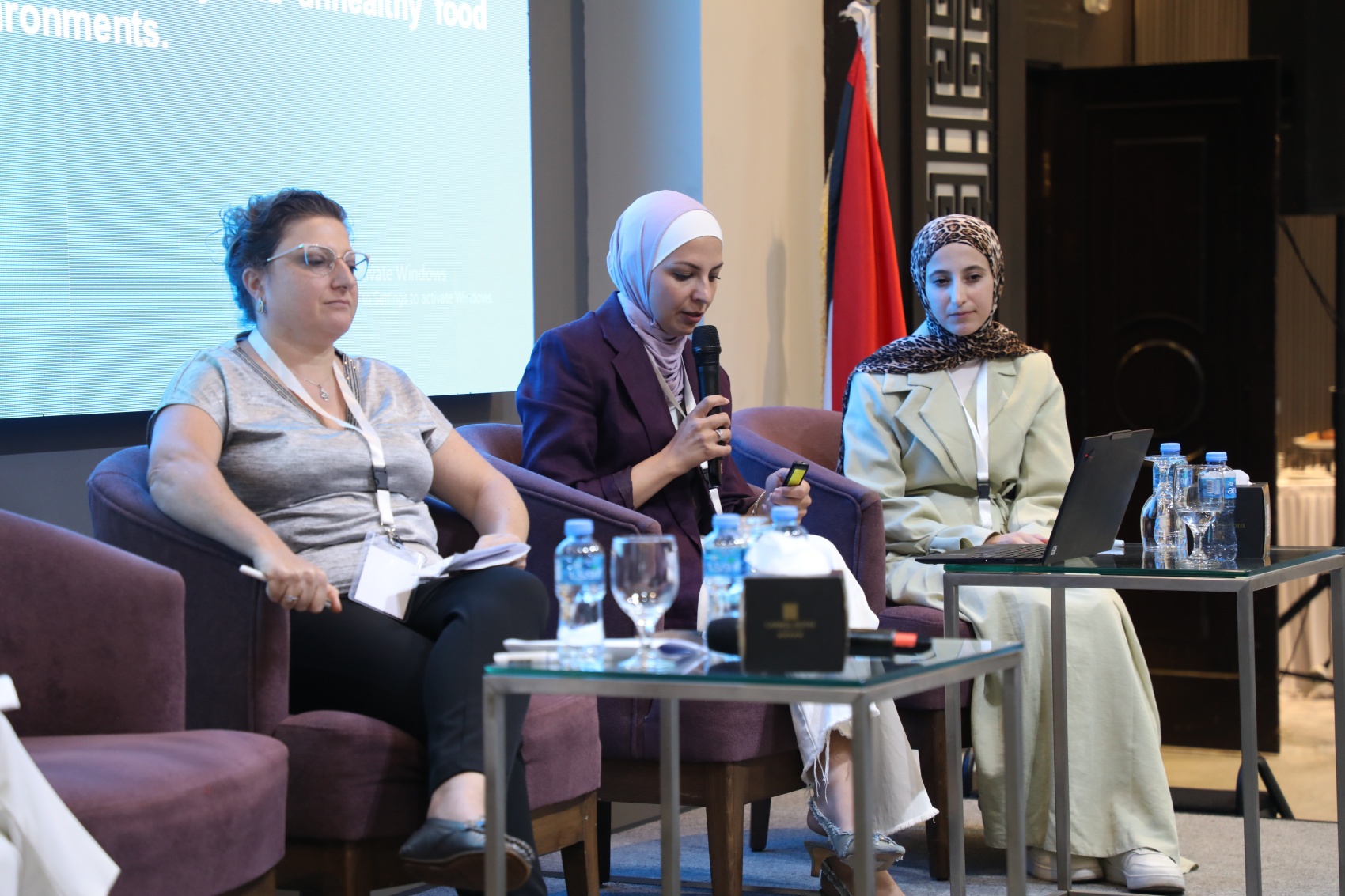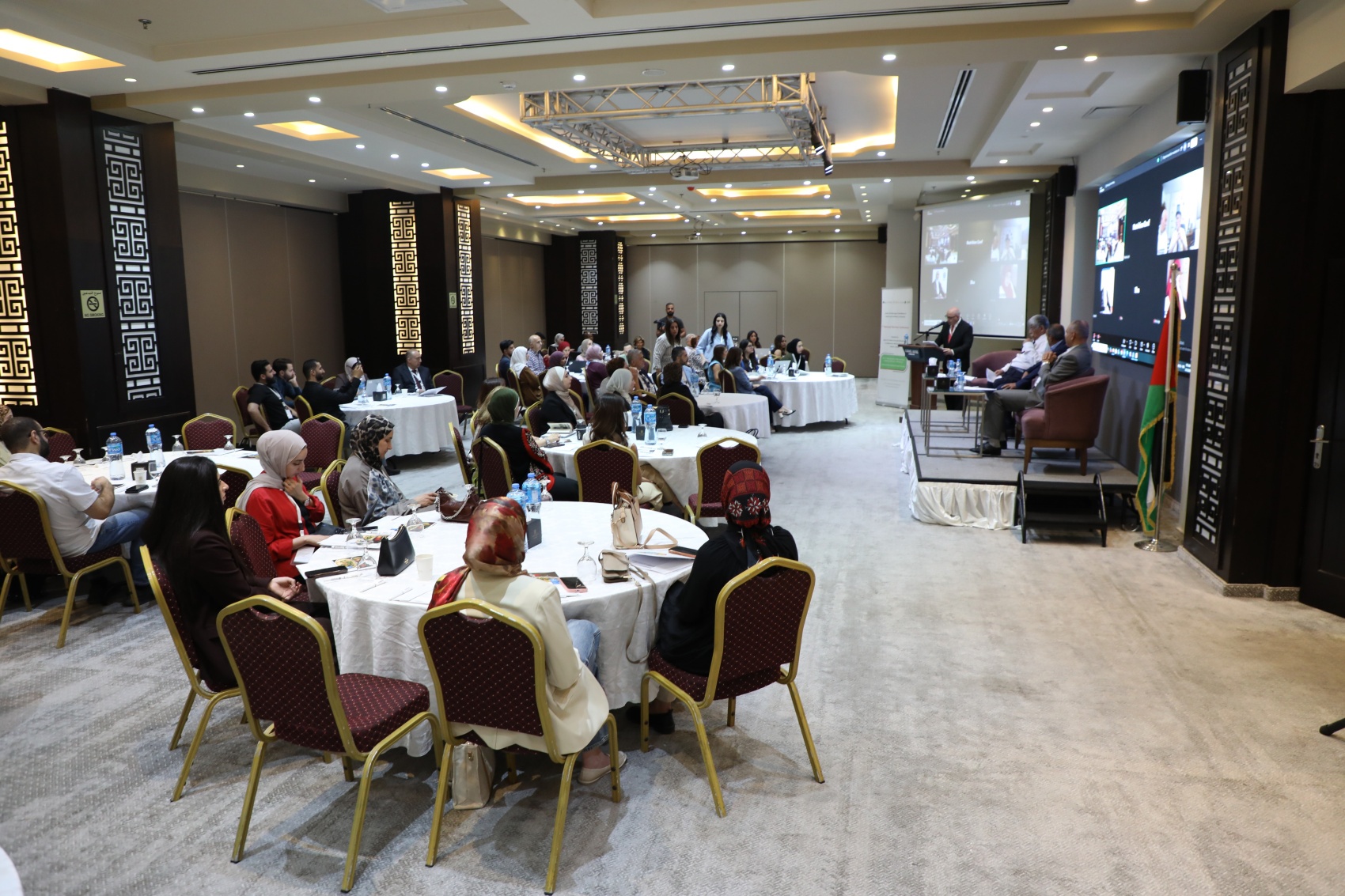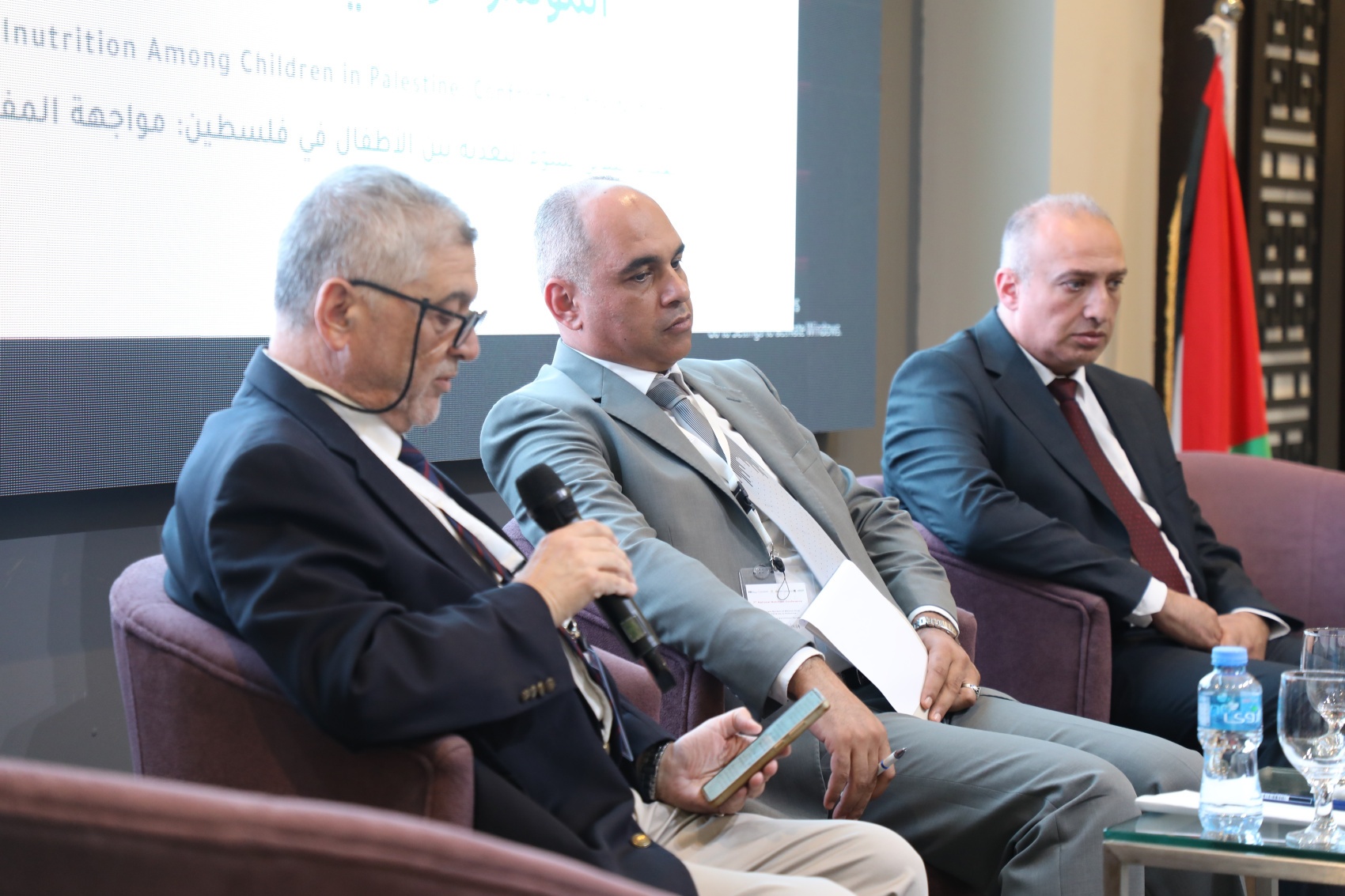
7th National Nutrition Conference Report

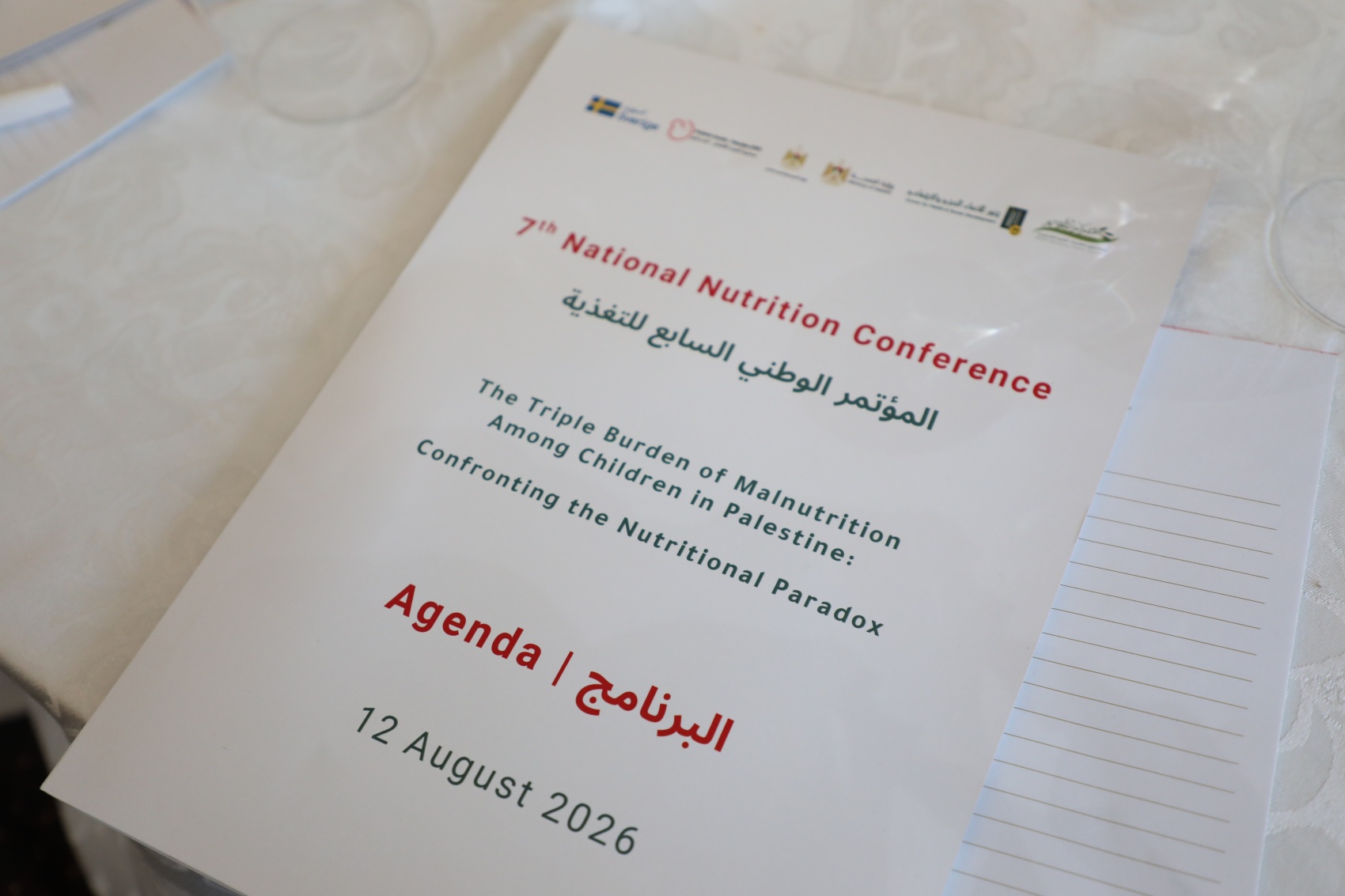
7th National Nutrition Conference
The Triple Burden of Malnutrition among Children in Palestine:
Confronting the Nutritional Paradox
Ramallah, 12th August 2026
Conference Report
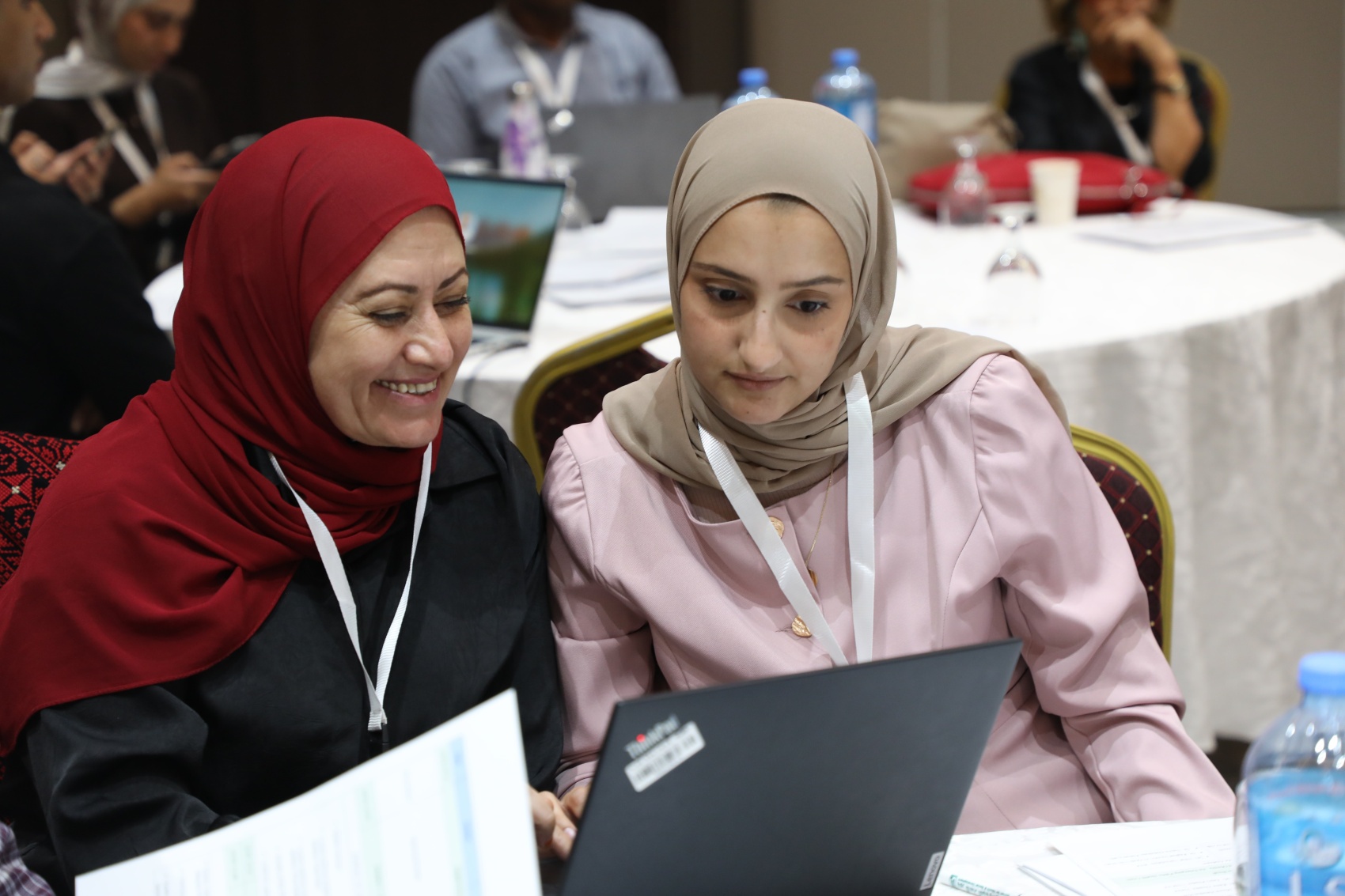
Organized by Juzoor for Health and Social Development, in collaboration with the Palestinian Paediatric Society, with support from the NGO Development Centre (NDC) and in collaboration with Al-Makassed Hospital and Al-Quds University, under the Patronage of the Ministry of Health and the Ministry of Education.
Executive Summary
Public health experts, paediatricians, epidemiologists, and humanitarian stakeholders convened to address the complex malnutrition crisis facing Palestinian children. Discussions focused on the "Triple burden"—the concurrent threat of undernutrition, micronutrient deficiencies ("hidden hunger"), and rising childhood overweight/obesity. Participants established a unified consensus to transition from isolated interventions toward an integrated, multisectoral life-course framework bridging immediate response with long-term governance and resilience.
Objectives of the conference
The event served as a collaborative platform to evaluate baseline data, map system gaps, and establish a national roadmap for reducing all forms of malnutrition in children and adolescents in Palestine.
Key objectives included:
- Map the current Landscape: Align stakeholders on the latest clinical and statistical trends regarding the triple burden of malnutrition, with an analytical lens on overweight/obesity drivers.
- Analyse life-cycle prevention strategies: ranging from maternal and Infant and Young Child Feeding (IYCF) practices to school nutrition interventions.
- Review National Frameworks: Assess achievements and gaps in the current nutrition strategies, national protocols, and multi-sectoral approaches.
- Formulate Immediate Actions: Mobilize stakeholders to prioritize operational next steps and long-term policy recommendations.
Session Highlights & Key Data
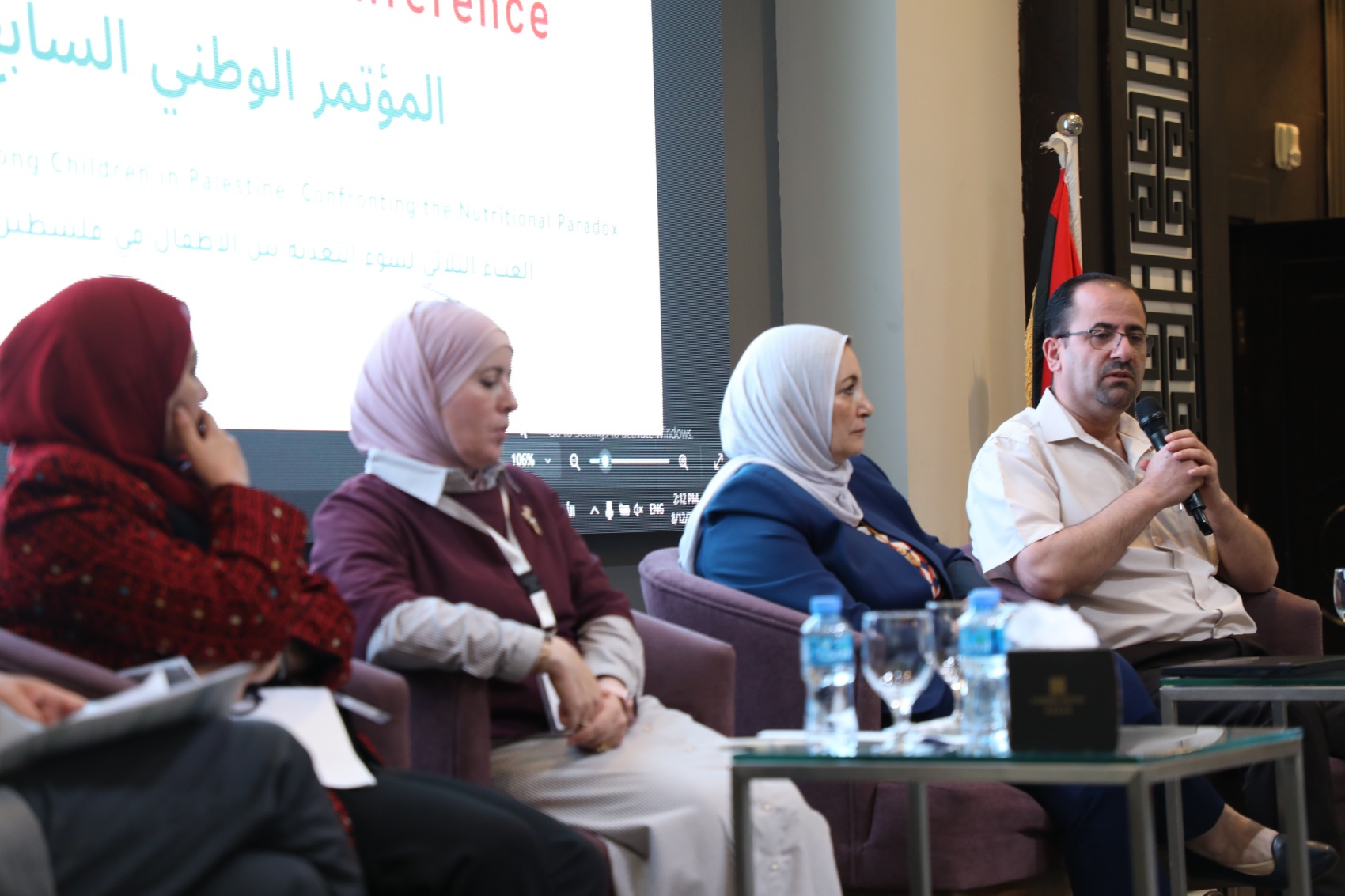
Session 1: Understanding the Triple Burden of Malnutrition globally and in Palestine
Objective: Frame the Palestinian context within global trends using recent data from Gaza as well as the National Nutrition Surveillance system (WB), and findings from the Nutrition Friendly School Initiative (NFSI) Assessment.
Moderator: Dr. Jumana Abu Qwider, Al-Quds University
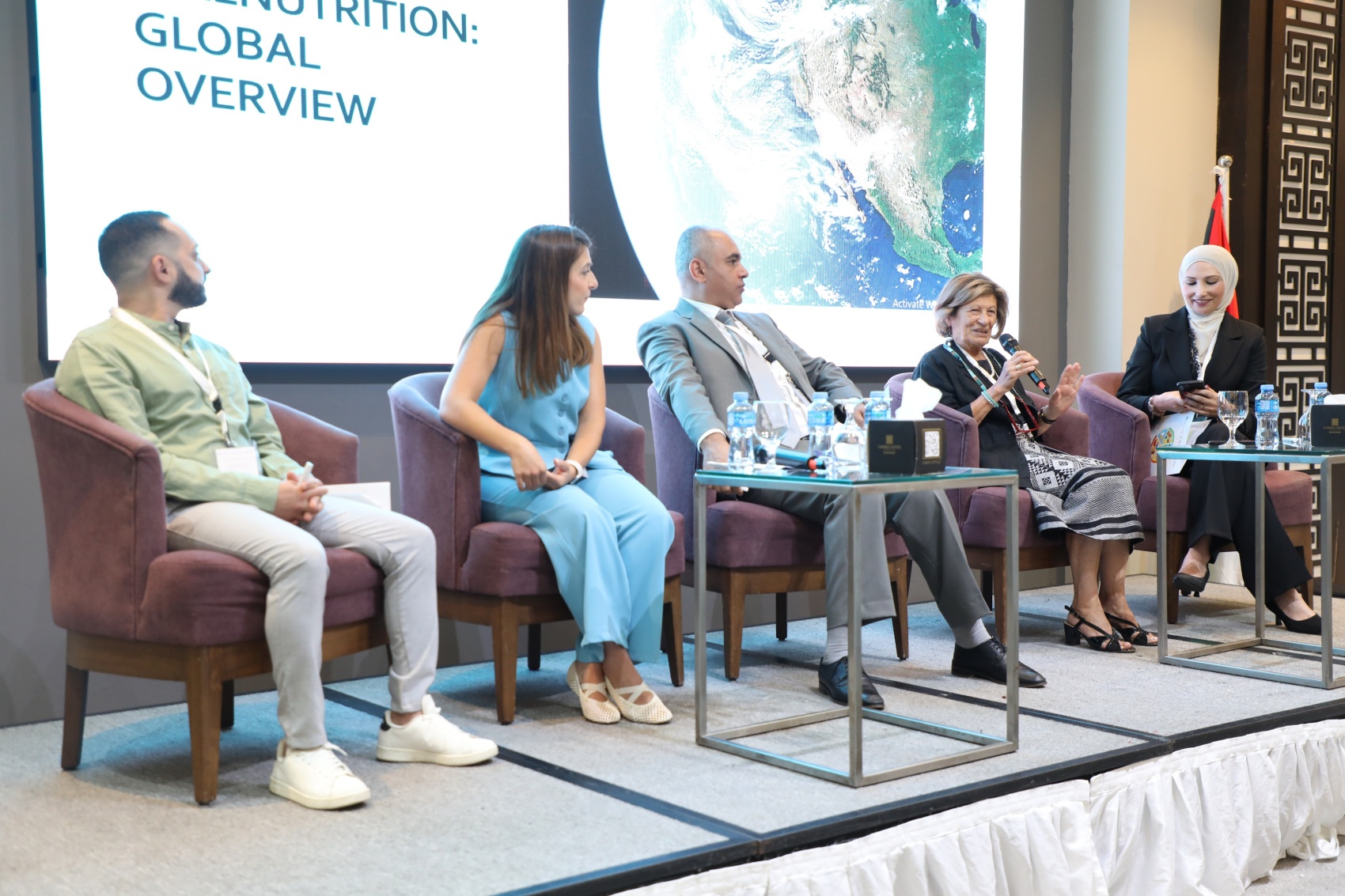
Global overview
Speaker: Dr Adriana Zarrelli, Juzoor
The 2025 Joint Child Malnutrition Estimates by UNICEF, WHO, and the World Bank detail the complex global challenge of undernutrition and rising overweight rates. In 2024, an estimated 150.2 million children under five (23.2%) were affected by stunting, representing an alarming plateau after a decade of steady decline. Meanwhile, wasting threatened 42.8 million under-five children (6.6%), reflecting an improvement of 8 million fewer affected children compared to 2012. Overweight in children under five affected 35.5 million children (5.5%), a rate that has remained largely stagnant over the past two decades.
Beyond physical growth deficits, hidden hunger—defined as micronutrient deficiency—presents a pervasive threat. Approximately 56% of preschool-aged children globally suffer from a deficiency in at least one of three key micronutrients: zinc, iron, or vitamin A. Among non-pregnant women of reproductive age, this burden rises to 69%, primarily involving deficiencies in zinc, iron, or folate.
Concurrently, a massive surge in school-aged childhood and adolescent overweight and obesity (ages 5–19) marks a critical health shift. Globally, 391 million children and adolescents live with overweight, including 188 million living with obesity. Unhealthy dietary patterns drive this trend. This growing epidemic significantly heightens susceptibility to early-onset type-2 diabetes, hypertension, and cardiovascular diseases, with global economic costs associated with childhood obesity projected to exceed $4 trillion annually by 2035.
Current nutrition situation among Palestinian children: Gaza strip
Speaker: Dr Yehia Abed, Juzoor
Following a brief overview of Gaza's pre-war nutritional baseline, Dr.Yehia Abed detailed Juzoor’s emergency package of vital nutrition interventions for the war-affected population. These essential services range from preventative awareness and broad-scale screening to the active management of moderate and severe acute malnutrition among young children and pregnant/lactating women.
Specifically, between January 2024 and June 2026, Juzoor screened 176,345 children under five years of age across 10 nutrition centers. This initiative identified 1,132 severe acute malnutrition (SAM) cases (0.64%), 8,739 moderate acute malnutrition (MAM) cases (5.0%), and 16,160 children at risk of malnutrition (9.2%). Interventions yielded a 76.3% cure rate and maintained a low mortality rate of 0.03%.
Dr. Abed highlighted a biphasic pattern in local malnutrition trends: Global Acute Malnutrition (GAM) first peaked at 29.2% in February 2024 during an acute food shortage, and later reached a second peak of 13.4% in September 2025 due to severe infrastructure disruptions.
Despite substantial progress in follow-up care, key programmatic gaps persist. Current efforts remain heavily concentrated on children under five and pregnant/lactating women, leaving other vulnerable population groups and chronic nutrition-related conditions largely unaddressed. These gaps are further compounded by ongoing destruction to WASH systems, health facilities, and general food security.
Key recommendations included integrating acute malnutrition management into primary health care and outreach services, strengthening malnutrition recording and reporting, ensuring application of the National Nutrition Protocol, and enhancing coordination and collaboration among nutrition and health service providers.
Current nutrition situation among Palestinian children: West Bank
Speaker: Eng. Mousa Halaika, MoH
Eng. Mousa Halaika from the Ministry of Health presented an overview of the nutrition status of pregnant women and children in the West Bank, highlighting key findings related to maternal nutrition, child growth, anaemia, and infant feeding practices. Among pregnant women assessed before 17 weeks of gestation and breastfeeding women, 33.3% were overweight and 22.7% were obese. Among children aged 12–15 months, anaemia was identified in 36.8% based on haemoglobin levels below 11 g/dl, while 7% were overweight, 1.6% were obese, 1.2% were wasted, 7.5% were underweight, and 4.5% were stunted. Exclusive breastfeeding was reported at 43.3% nationally, with rates of 41.6% in Gaza and 44.8% in the West Bank. Eng. Mousa also addressed food fortification and salt iodization, as well as emerging concerns around children’s screen exposure and sedentary life and its potential implications for nutrition-related behaviours. Key challenges included the impact of the occupation, limited availability of nutrition professionals, financial constraints, and the absence of a clear action plan. Looking ahead, the National Nutrition Surveillance System is expected to expand its coverage to additional population groups, including children under five, university students, older adults, and the elderly.
Results of the NFSI Assessment 2025
Speaker: Rania Abuaita, Juzoor
Rania Abuaita presented the findings of an assessment conducted at the end of 2025 in 10 schools implementing the Nutrition-Friendly Schools Initiative (NFSI) in the WB. The assessment results highlights a complex nutrition situation among school-aged children of the 10 schools, characterized by the coexistence of undernutrition, overweight and obesity, and anemia. While thinness affected a relatively small proportion of children (2.24%), the high prevalence of overweight and obesity (36.7%) indicates a growing concern related to unhealthy dietary patterns, sedentary lifestyles, and the school food environment. At the same time, the anemia prevalence was at 42.8% , with higher rates among females and particularly among children aged 5–11 years. These findings underscore the need for a comprehensive and integrated approach rather than focusing on a single form of malnutrition.
The presentation emphasized the important role of schools as a key platform for prevention and early identification of nutrition problems. Routine nutrition screening, conducted in coordination with the Ministry of Education and Ministry of Health, could help identify children at risk and facilitate timely referral, treatment, and follow-up. Strengthening school canteens and improving the availability and affordability of healthier food options were also highlighted as important measures to create a supportive food environment.
In parallel, nutrition education should be integrated into school activities to strengthen children’s knowledge and promote healthier dietary behaviours, while opportunities for regular physical activity should be increased. Overall, the findings demonstrate the need for a whole-school approach to nutrition, combining screening, education, healthy food environments, physical activity, and effective referral mechanisms.
UNICEF nutrition interventions
Speaker: Mr. Amro Khader
Mr. Amro Khader from UNICEF discussed the impact of the war on health and nutrition, emphasizing the need for a comprehensive, multisectoral, and life-course approach to address the evolving nutrition needs of the affected populations. Key priorities included promoting exclusive breastfeeding and appropriate complementary feeding, ensuring nutrition support for children and mothers with disabilities, maintaining vitamin A supplementation, strengthening food security and WASH services, and ensuring continued access to essential health and nutrition services. The presentation also highlighted the importance of strengthening the national nutrition strategy, guidelines, and protocols, while integrating Social and Behaviour Change Communication (SBCC) and community-based health and nutrition interventions. A broader life-course approach was recommended to ensure that nutrition programming responds to the needs of all age groups, rather than focusing solely on specific vulnerable populations. In addition, the concept of nutrition resilience was emphasized, highlighting the need to strengthen the capacity of communities, health systems, and service providers to maintain essential nutrition services during emergencies. Given the potential for future emergencies in the West Bank, strengthening preparedness, coordination, and continuity of nutrition services was identified as a key priority.
Session 2: Childhood Overweight and Obesity – An Emerging Public Health Crisis
Objective: Investigate the root causes of rising child/adolescent overweight and obesity in Palestine and its links to the risk of lifelong Non-Communicable Diseases (NCDs).
Moderator: Dr. Ola Anabtawi, Al-Najah University.
Dietary transitions, unhealthy food environments, life style, Fill the Nutrition Gapp Analysis
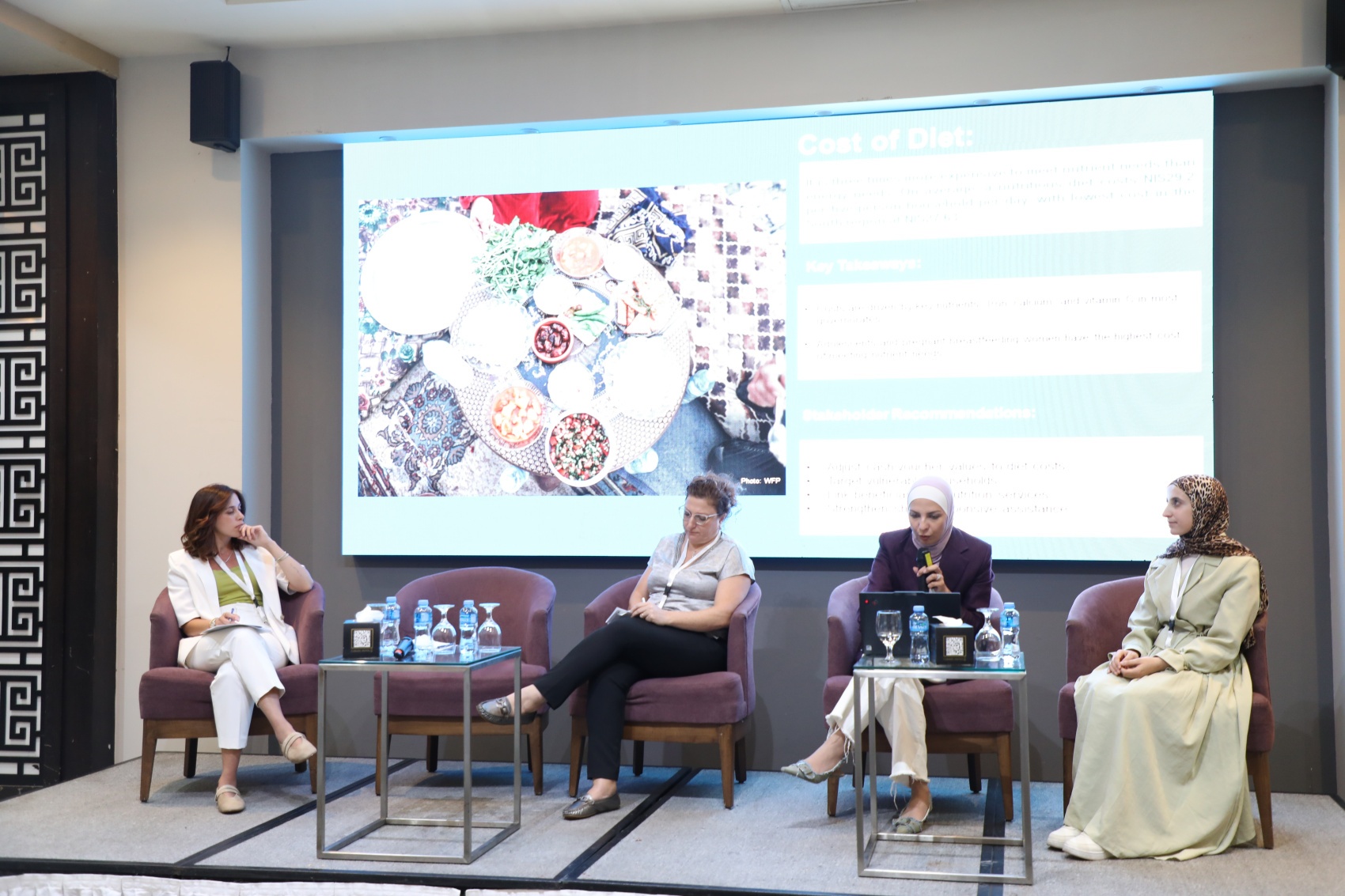
Speaker: Ms. Nihal Nasereldin, WFP
In Ms. Nihal Nasereldin’s presentation on the WFP Nutrition Strategy in the West Bank and the Fill the Nutrient Gap analysis, the focus shifts to the affordability and accessibility of nutritious diets and the broader food-system factors that influence nutrition. The analysis found that meeting nutrient needs in the West Bank is estimated to be three times more expensive than meeting energy needs, with an average nutritious diet costing NIS 29.2 per five-person household per day, while adolescents and pregnant and breastfeeding women face particularly high costs. Economic shocks, reduced purchasing power and vulnerability further limit households’ ability to afford nutritious diets. The proposed response therefore extends beyond nutrition education to coordinated actions across health, education, food systems and social protection, including stronger food fortification, breastfeeding and complementary-feeding support, micronutrient interventions, healthier school meals and canteens, improved local production, appropriately designed cash or voucher assistance, and better coordination in targeting vulnerable households.
Nutrition assessment in Nutrition Friendly Schools
Speaker: Dr. Raghad Sweity, Al-Quds University
In Dr. Raghad Jaafar Sweity’s presentation on obesity, anaemia, and their coexistence among Palestinian schoolchildren, the findings came from a school-based cross-sectional study conducted in the 10 schools in the West Bank implementing the Nutrition Friendly School Initiative (NFSI). The study included objective
measurements of children’s height, weight and capillary haemoglobin, together with a caregiver questionnaire covering diet, lifestyle, household and family factors; 416 valid caregiver responses were included in the analysis.
The study found that 37% of the students were overweight or obese and 43% were anaemic, while 16.1% of children with complete data had both conditions. Importantly, anaemia was also common among children with overweight/obesity, showing that excess weight does not protect against micronutrient deficiency. Factors associated with overweight/obesity included age, household income, family history of obesity, fast-food consumption, school allowance, higher screen time and lower levels of regular physical activity, supporting the need for integrated school- and family-based approaches rather than addressing obesity and anaemia separately.
Health consequences across the life course (NCD risk factors, metabolic syndrome)
Speaker: Dr. Najwa Abdelhaq, Paediatrician
Dr. Najwa Al-Haq focused on the consequences of obesity on the health of children and adolescents. She described obesity as one of the most common paediatric chronic diseases and stressed that it is influenced by complex genetic, physiological, socioeconomic, and environmental factors rather than being only the result of personal choices. Her presentation outlined a wide range of possible complications, including metabolic syndrome, insulin resistance, type 2 diabetes, hypertension, non-alcoholic fatty liver disease, obstructive sleep apnoea, dyslipidaemia, polycystic ovarian syndrome, cardiovascular risks, and depression. She also emphasized that these complications can begin during childhood and continue into adulthood, affecting physical health, mental health, academic functioning, and quality of life. There is a need for early identification and early management in order to reduce long-term complications and the need for future medical treatment.
Session 3: Prevention Across the Life Course
Objective: Analyse current preventive nutrition interventions in Palestine, highlight achievements, constraints and gaps.
Moderator: Dr. Mutaz Sultan
Adolescent girls’ nutrition, maternal nutrition and infant and young child feeding (IYCF)
Speaker: Ms. Ruwaida Qadi, MoH
Ms. Ruwai’da Qadi presented nutrition from a life-course perspective, emphasizing that prevention should begin before pregnancy and continue through adolescence, pregnancy, birth, infancy and early childhood. Adolescent girls were highlighted as an important entry point for preventing intergenerational malnutrition, while maternal nutrition was presented as a key link affecting foetal growth, birth outcomes and child health. The presentation also emphasized the importance of early antenatal care registration so that women can receive nutrition interventions at the appropriate time.
The presentation described the national context in which child stunting is approximately 8%–9% and low birth weight is approximately 8%, alongside with maternal anaemia and increasing overweight and obesity. Approximately 91% of pregnant women were reported to receive iron and folic acid (IFA) through routine antenatal care. When supplementation was accompanied by supportive counselling, adherence of approximately 70% of the women for at least 12 weeks was reported. However, IFA supplies were reported to
cover only approximately 61%–77% of national requirements, highlighting the importance of uninterrupted procurement and supply-chain continuity.
For infant and young child feeding, exclusive breastfeeding was reported at approximately 39%–44% nationally, with 43.3% presented as national figure, compared with approximately 24% in crisis-affected areas such as Gaza. Fewer than 42% of children aged 6–23 months were reported to achieve minimum dietary diversity. The presentation identified food shortages, displacement, water scarcity, maternal distress and promotion of breast-milk substitutes as important barriers, and emphasized the need for breastfeeding protection, stronger lactation support, improved complementary feeding, and targeted nutrition assistance for vulnerable children.
Integration of early childhood development and nutrition
Speaker: Ms.Rihab Sandouka, PNECD
Ms. Rihab Sandoqa presented the relationship between nutrition, responsive caregiving and early childhood development within the Nurturing Care Framework. The framework brings together good health, adequate nutrition, responsive caregiving, safety and security, and opportunities for early learning. Forming more than a million new neural connections every second, a child’s brain develops at an astonishing rate—underscoring the vital need for early nutrition and nurturing care.
Concerning malnutrition, a central message was that physical recovery does not automatically mean developmental recovery. A child may regain weight or MUAC after nutritional treatment while continuing to experience difficulties in language, cognition, social development or emotional regulation. The presentation therefore emphasized combining therapeutic nutrition with responsive interaction, play, stimulation and early learning.
Responsive feeding was described as recognizing hunger and satiety cues, responding without pressure or force, talking with children during meals, naming foods, encouraging self-feeding and allowing children to explore food.
The presentation highlighted the first 1,000 days as a critical developmental period and the “next 1,000 days,” approximately ages 2–5 years, as another important opportunity for developmental support through nurseries and kindergartens. The emergency context was also emphasized, with 90% of infants in Gaza reported to face severe food poverty. The presentation recommended integrating nutrition services with caregiver support, psychological first aid, responsive feeding and safe opportunities for interaction and early learning, particularly in crisis-affected settings.
School nutrition and healthy food environments: The Nutrition Friendly Schools Initiative
Speaker: Ms. Suzan Totah, MoE
Ms. Suzan Totah presented the Nutrition-Friendly Schools Initiative (NFSI) as a comprehensive school-based approach to improving nutrition, health and wellbeing. Schools were identified as an important platform for reaching children and adolescents with nutrition education, physical activity, healthier food choices, screening and referral, while also creating environments that support healthier behaviours.
The Nutrition-Friendly Schools concept was introduced globally in 2006 and adopted in Palestine in 2018. The Palestinian initiative expanded from an initial 24-school pilot to 34 schools and reached approximately 29,600 students, with girls representing approximately 78% of beneficiaries. Reported achievements included improved nutrition knowledge, healthier food choices, increased physical activity, and stronger school-based health promotion.
Ms. Totah also emphasized that school canteens alone cannot create a healthy food environment because children remain exposed to unhealthy products, marketing and purchasing opportunities outside school. The presentation therefore highlighted the importance of consumer protection and coordinated action involving schools, families, communities, regulators and other relevant sectors. Sustainability, staff workload and turnover, infrastructure limitations and disruptions related to COVID-19 and the Gaza war were identified as implementation challenges. The presentation cited an estimated return of US$4–US$35 for every US$1 invested in nutrition.
The role of consumer protection authorities in promoting healthy food environments
Speaker: Mr. Ibrahim al Qadi, MNE
Mr. Ibrahim Al Qadi highlighted the role of the Ministry of National Economy and the Consumer Protection Directorate in promoting healthy food environments and protecting children as consumers.
As part of these efforts, the Ministry implemented several activities in Palestinian schools and school canteens. These included monitoring and inspection visits to school canteens, checking the food products available to students, and collecting samples from selected canteens for examination. The Ministry also supported the development of child-friendly school canteens, where less healthy products were replaced with healthier alternatives.
The Ministry also introduced nutrition awareness sessions for children, including during periods when schools shifted to online learning as a result of teachers’ strikes and reduced staffing.
The experience also showed that improving the school food environment alone was not sufficient. Although unhealthy products such as energy drinks and soda beverages were removed from school canteens, children could still purchase these products from shops outside the school and consume them after leaving school. In response, measures were taken to make shops outside schools to sell only small size soft drinks, as part of broader efforts to reduce children's exposure to unhealthy beverages.
To strengthen consumer engagement and accountability, a free phone number- 129 hotline was also established to receive consumer complaints and feedback. Overall, these interventions demonstrated the importance of combining school-based food environment improvements with consumer protection, awareness-raising and measures that address children's access to unhealthy food and beverages outside the school setting.
Session 4: Policy and programmatic responses
Objective: Conduct a brief analysis of some of the pillars of the nutrition governance framework in Palestine
Moderator: Dr. Mohammed Shaheen
National Nutrition Protocol
Speaker: Ms. Alma Rsheid, ACF
The National Maternal and Child Nutrition Protocol is being developed through a nationally led, multidisciplinary revision process. The process involves setting the overall direction, drafting the protocol by section, reviewing and challenging the content, integrating feedback, and ultimately validating and operationalizing the protocol.
The protocol follows a life-course approach. Escalation and referral mechanisms are also included. This refers to identifying when individuals require additional support and how healthcare providers can connect them with other relevant services and sectors.
The updated protocol is intended to guide nutrition-related work for the next five years. As it involves multiple organizations and stakeholders, it will be translated and disseminated widely and health providers will receive appropriate training focusing on practical skills.
Given the current instability in the country, an online platform is also being considered to complement and support the training and ensure continuity of learning.
Multisectoral coordination for nutrition
Speaker: Mr. Amro Khader, UNICEF
Mr. Amro Khader presented UNICEF’s approach to multisectoral collaboration for nutrition, emphasizing that malnutrition is influenced by factors across multiple systems and therefore cannot be addressed by the health sector alone. The presentation highlighted the interconnected roles of health, education, WASH, social protection, food security, and child protection, and emphasized the importance of using existing systems and services as entry points for nutrition interventions.
Examples presented included the integration of nutrition into schools, nutrition into health services, WASH interventions, social protection and cash assistance, and education during emergencies. The presentation also highlighted the importance of multisectoral assessments in identifying the underlying factors contributing to malnutrition, including household food access, infant feeding practices, WASH conditions, access to health services, and economic constraints.
The presentations highlighted the importance of moving from policy and evidence to coordinated and practical implementation. While the National Nutrition Protocol provides a framework for strengthening nutrition services and healthcare provider capacity, the multisectoral approach demonstrates that effective implementation requires collaboration across sectors and the use of existing systems to address the broader determinants of malnutrition, particularly in emergency settings.
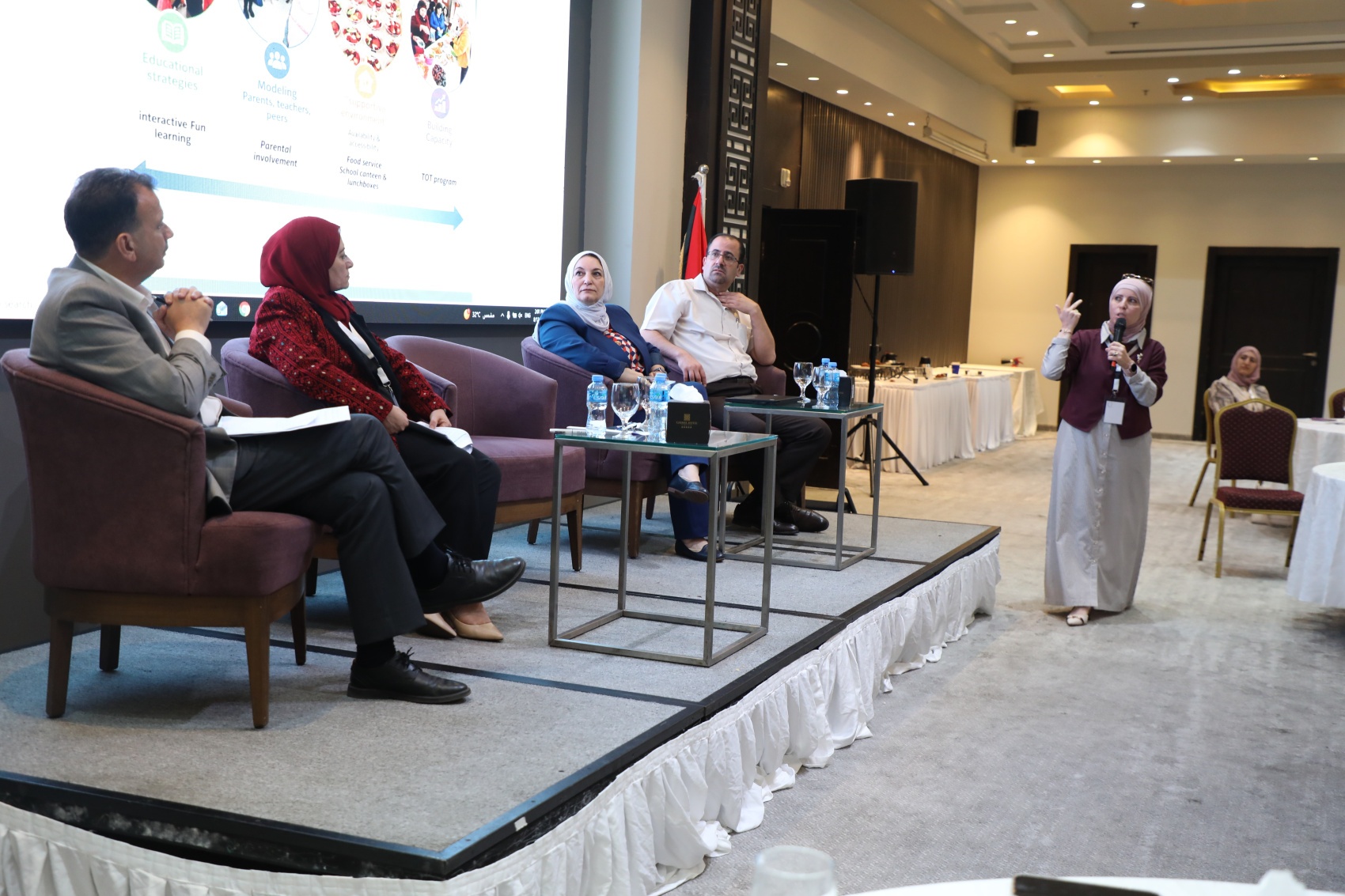
Concern was raised about the limited coverage of the NFSI in Palestine. MoE highlighted those active efforts are underway to increase the number of schools adhering to the NFSI and make it a national initiative. Participants also identified iron deficiency as a key health priority among school-age children that demands direct action. To address broader dietary needs, the group suggested shifting away from standard school canteens toward providing complete, healthy meals for students, though they acknowledged that high costs and financial limits present significant barriers to implementation. Ultimately, the conversation reinforced that nutrition cannot function in isolation; it remains inextricably linked to health, education, and WASH (Water, Sanitation, and Hygiene), underscoring the necessity of a coordinated, multisectoral approach for sustainable impact.
Session 5 : Prioritizing National Actions
Objective: Engaging stakeholders in mapping out immediate actions and long-term policy recommendations
Participants were asked to identify three priority interventions (short term) and one long term policy recommendation to address the triple burden of malnutrition in Palestine. Answers were collected through a Google Form.
Priority interventions: Among the proposed interventions, 22% are related to micronutrient deficiency prevention and control; 22% to the integration of a standardized maternal, infant, young child and adolescent nutrition package into routine PHC services; 15% to strengthening the screening and referral system; 15% to school health programs; 10% to awareness-raising and behaviour change communication. Other interventions mentioned are related to food assistance and management of acute malnutrition.
Policy recommendation: Approximately 75% of participants recommended the development of a National Multisectoral Strategy and plan of action with clear roles, costed interventions, measurable indicators and a joint accountability mechanism across sectors in order to address all forms of malnutrition. Some participants also specified the need for regulating mechanisms on food fortification, food labelling and marketing, and taxation of ultra-processed, high-fat, high-sugar foods.
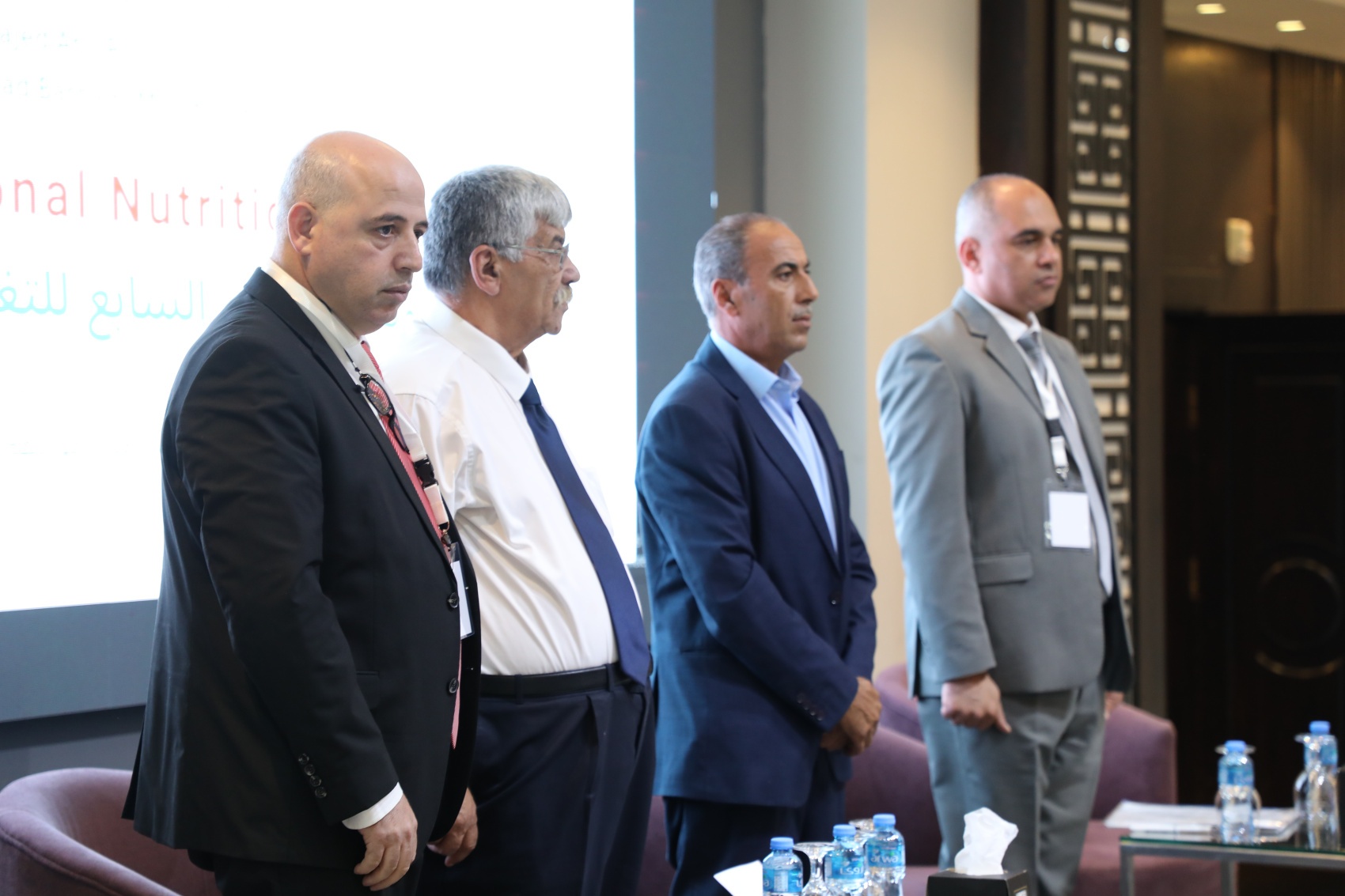
Closing session
Objective: Consolidate the day's outputs, secure commitments from partners, and formally close the seminar.
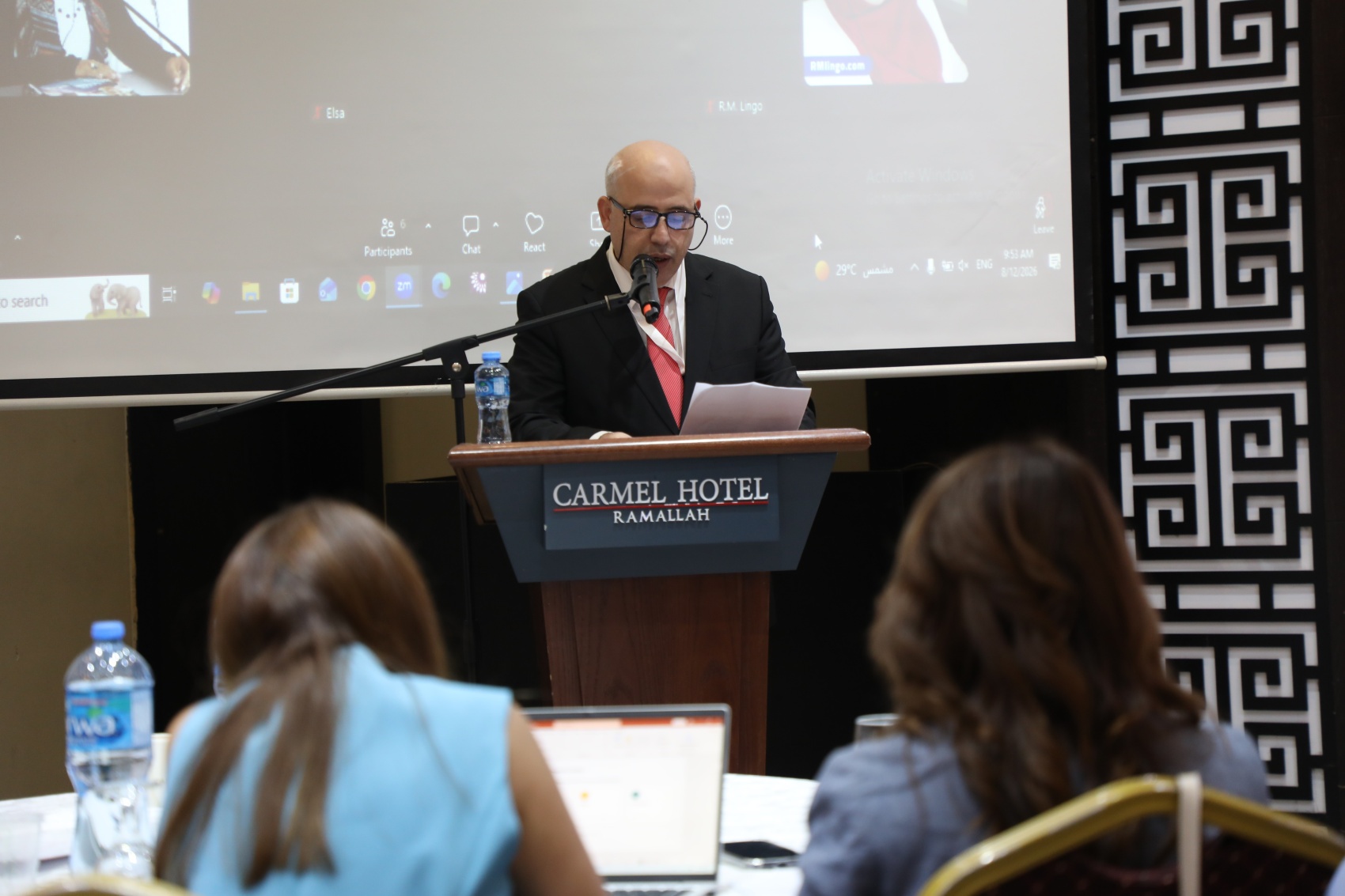
In the closing remarks, Dr. Hatem Khammash (Al-Makassed Hospital) emphasized that protecting child nutrition is a national economic and developmental imperative. He called for immediate regulation of formula marketing, holding paediatricians, pharmacists, and midwives accountable. He also called for the establishment of routine screening to catch hidden iron-deficiency anaemia. Eng. Mousa Al-Halaika (MoH) committed the Ministry to investigating infant formula practices undermining breastfeeding once documented evidence is submitted, while stressing the need for unified, non-contradictory nutritional advice across all medical professionals.
Concluding the conference, Dr. Raed Amer (UNRWA) urged all participating institutions to move from academic debate to policy implementation. He highlighted that whole-of-government leadership, unified clinical protocols, resilient supply chains, and structured inter-ministerial coordination are essential to overcome the triple burden of malnutrition and build long-term health resilience for Palestinian children.
|
We extend our sincere gratitude to the Swedish International Development Cooperation Agency (SIDA) and the NDC for their steadfast support and vital partnership in advancing child nutrition and addressing the triple burden of malnutrition in Palestine. |