Psychosocial Support Practitioners’ Toolkit 2026 Launching Event
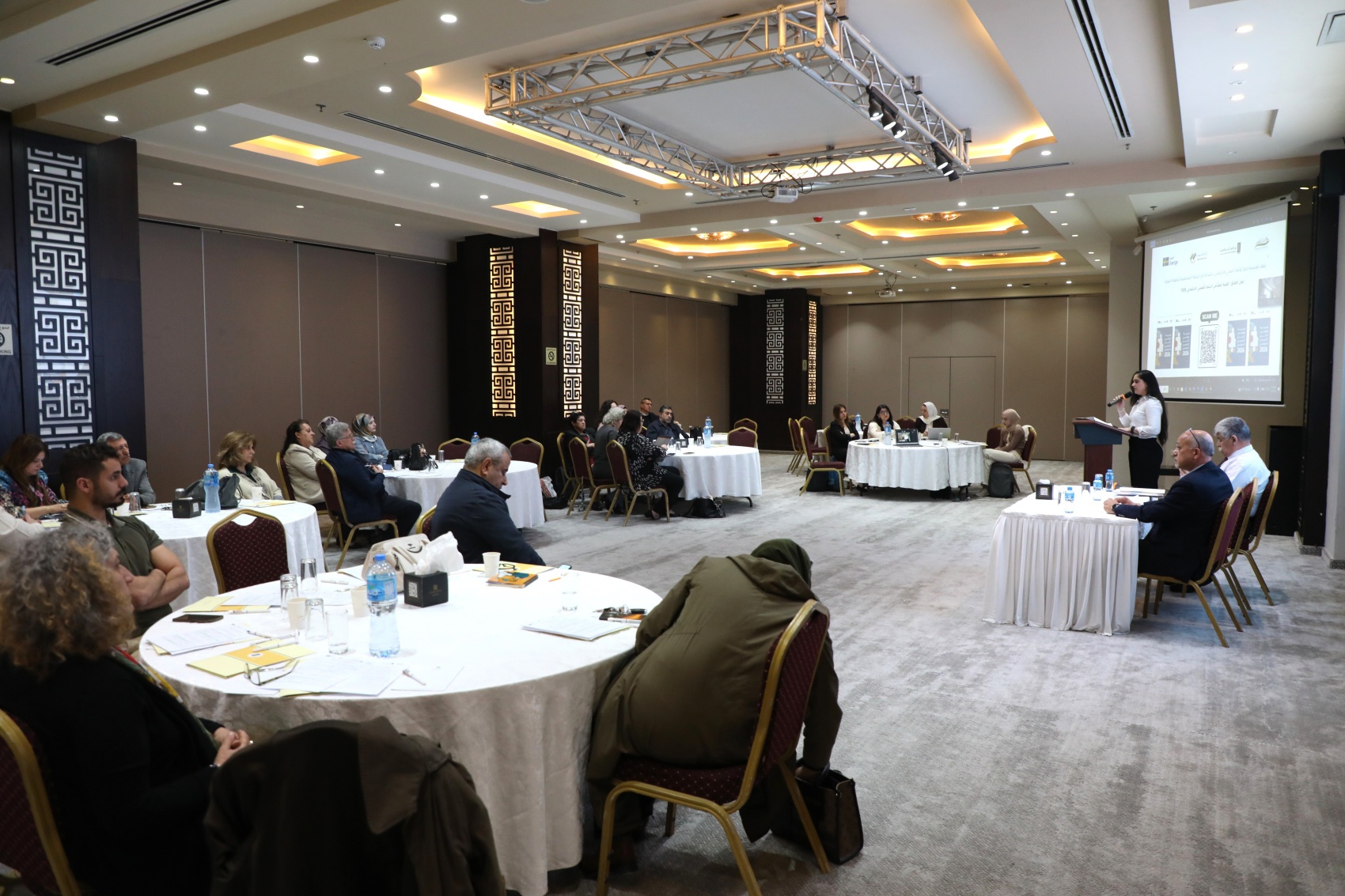
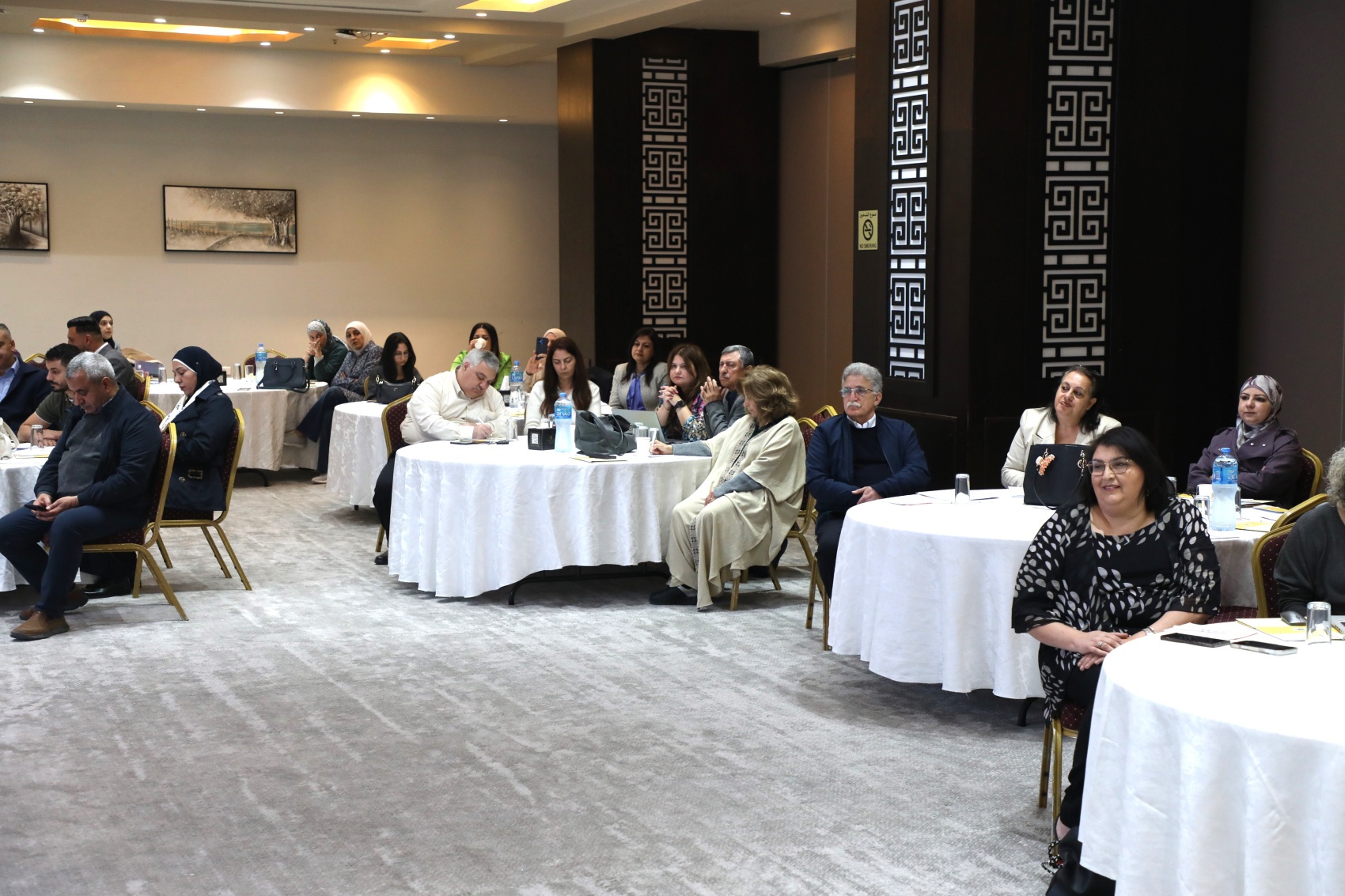
Juzoor for Health and Social Development launched the 2026 Psychosocial Support Practitioners’ Toolkit, in partnership with Al-Tufula Pedagogical and Multipurpose Women's Center's – Nazareth, and in collaboration with the Palestinian Early Childhood Development Network. This initiative is under “Primary Healthcare NGO Consortium (2026–2029)” project funded by the Swedish International Development Cooperation Agency (Sida), and managed by the NGO Development Center (NDC). The launch took place during an event that brought together representatives of official and civil institutions, decision-makers, experts, and practitioners in the fields of mental health and community work.
The toolkit was launched amid the growing psychological and social challenges faced by Palestinians, particularly children and families, as a result of ongoing crises and wars, and their profound impact on mental health and the social fabric. The toolkit adopts a liberation-oriented approach that focuses on strengthening individual and collective resilience and responding to real needs in different contexts.
The toolkit consists of four integrated training manuals targeting facilitators and professionals working with children and families in the West Bank, Gaza Strip, and inside Israel. The manuals combine global theoretical frameworks with local experiences, drawing on reputable international references, Arabic literature, and applied Palestinian expertise. They also include stories and narratives from the Palestinian context that reflect children’s experiences and strengthen their connection to the training content.
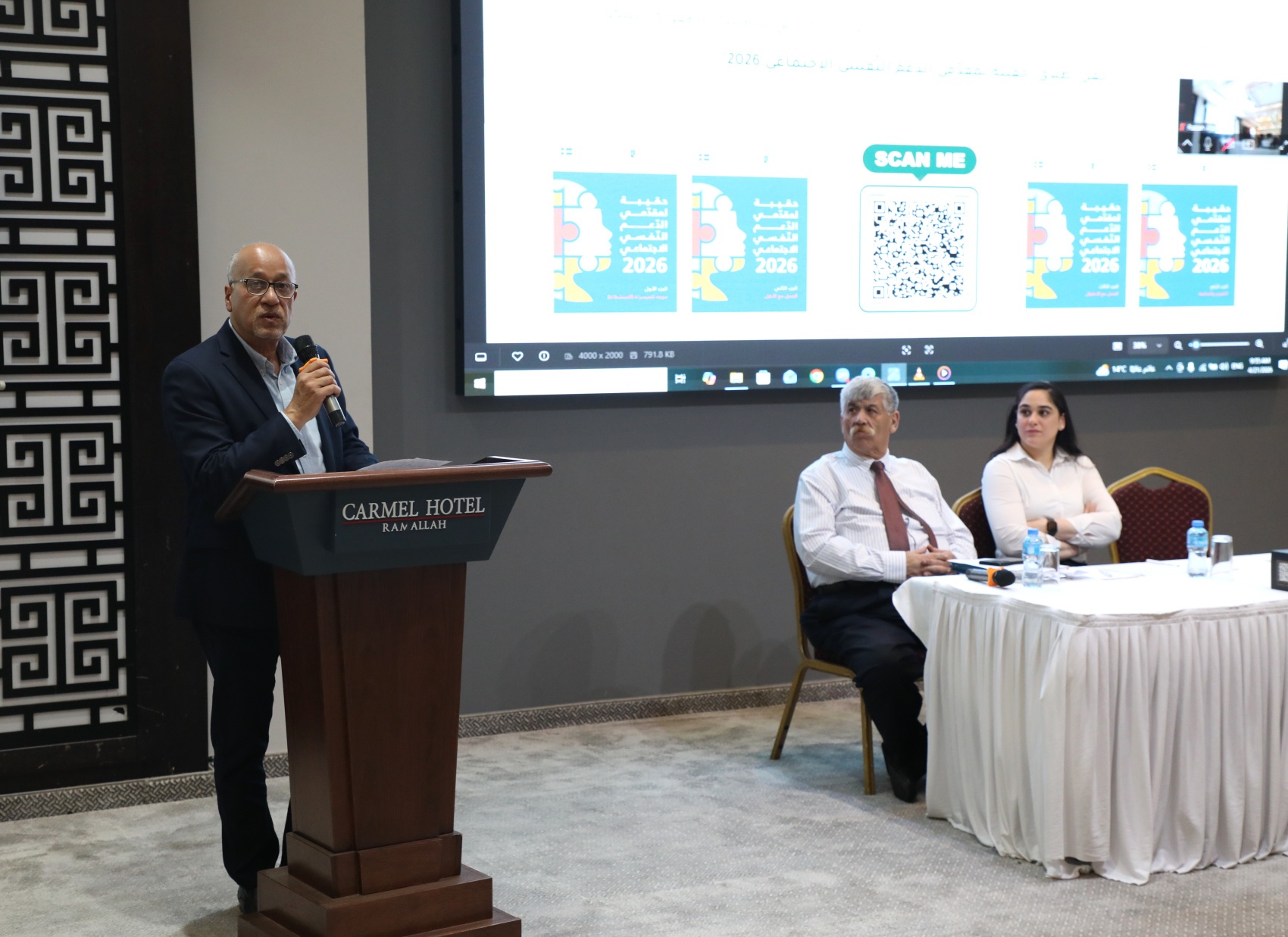
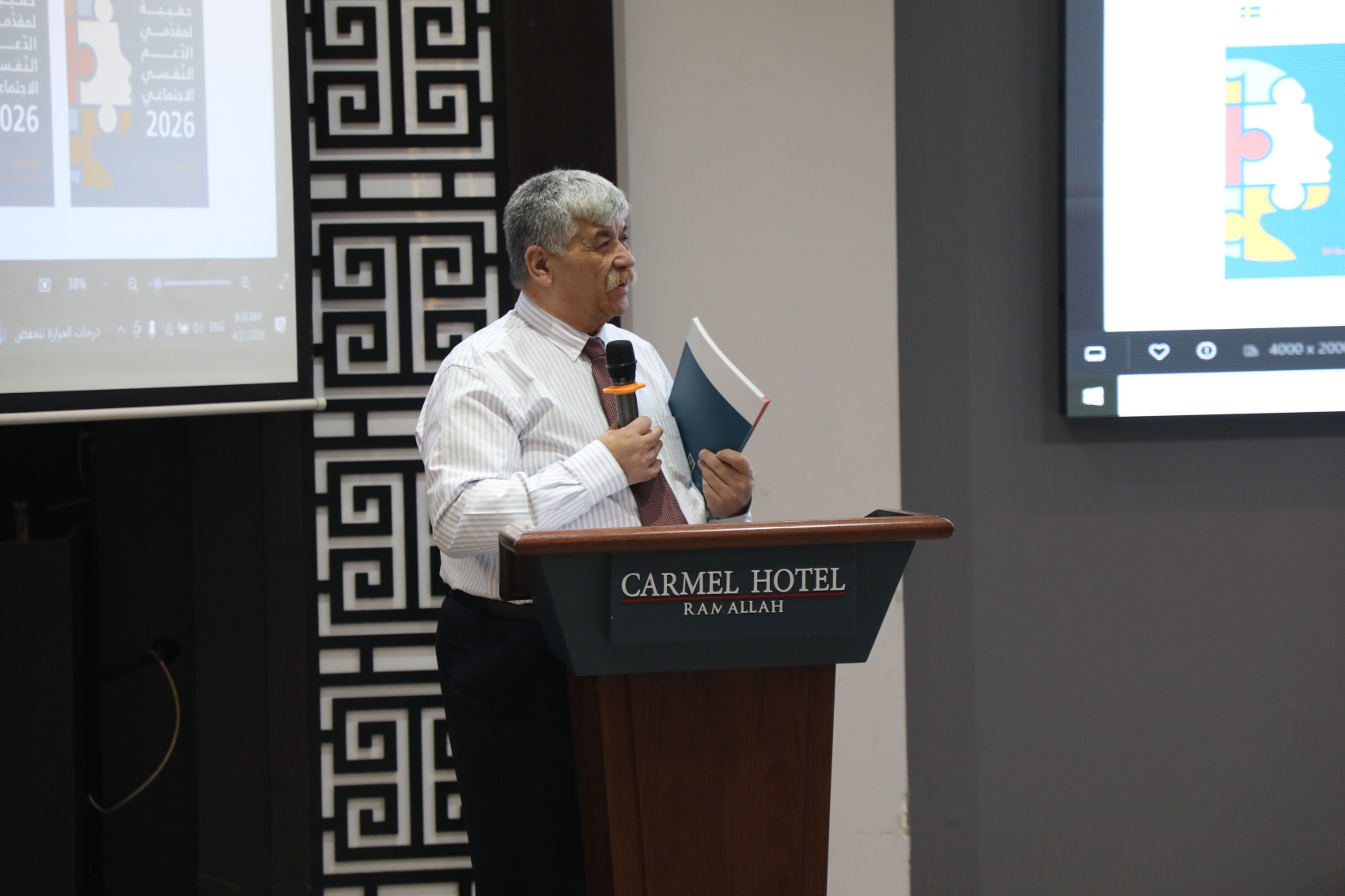
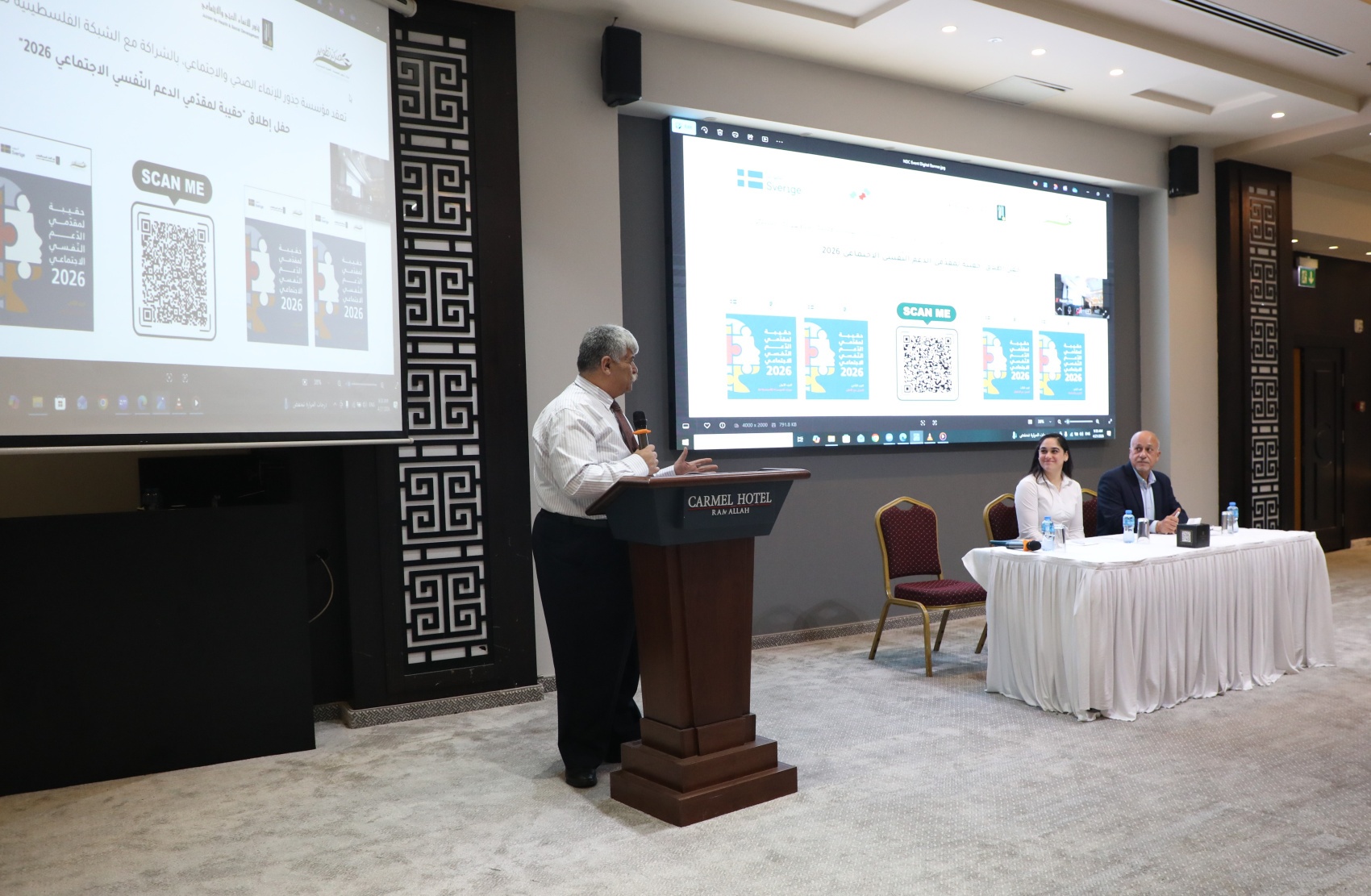
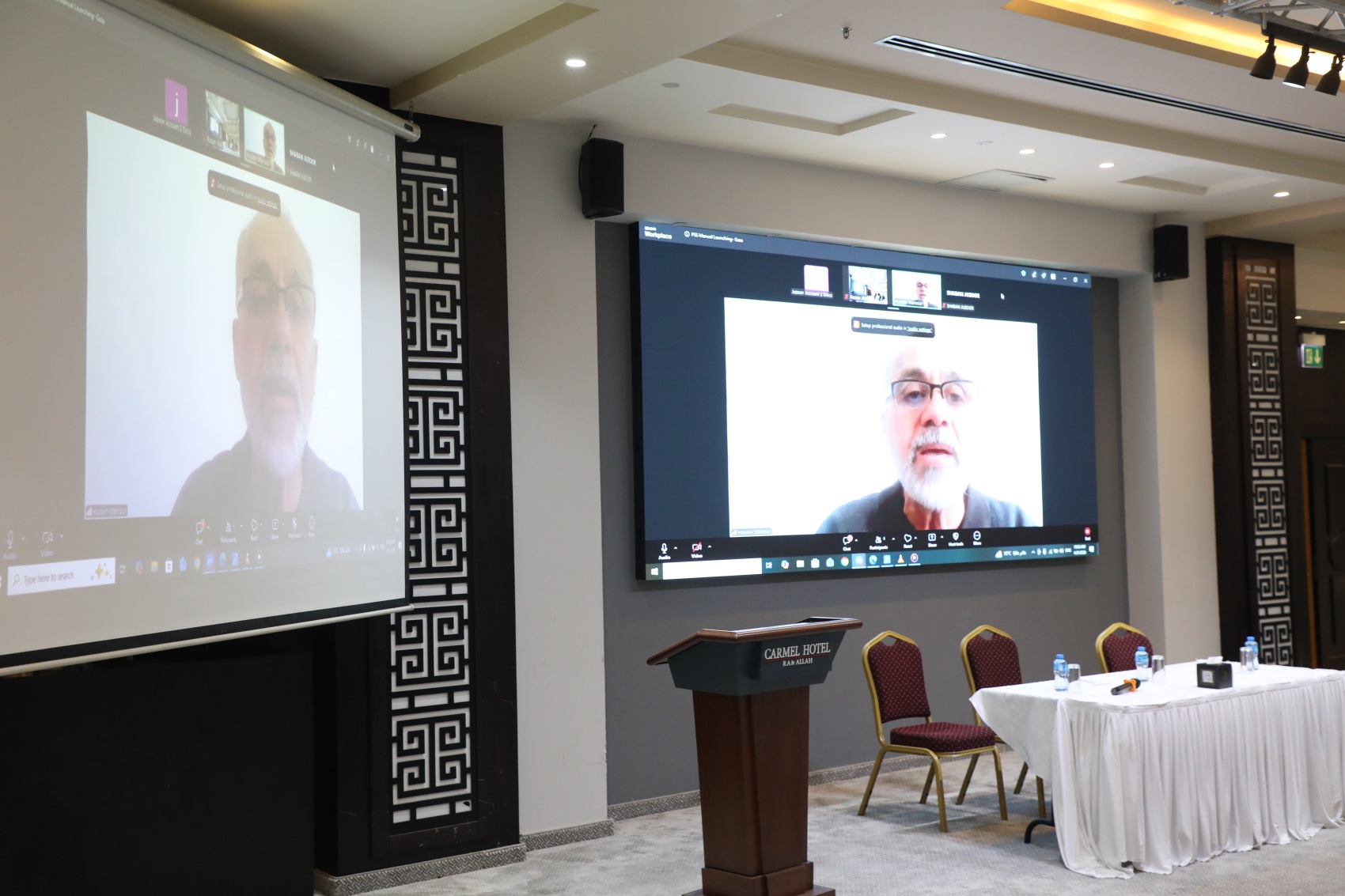
In his opening remarks, the Director General of Juzoor, Dr. Umaiyeh Khamash, emphasized that this publication is the result of a professional and national partnership with Al-Tufula Center – Nazareth Nurseries Foundation. Both institutions contributed their accumulated expertise; the center brought its experience in early childhood development, while Juzoor contributed its expertise in community mental health and evidence-based interventions. He also noted the organization’s aspiration, in partnership with the Arab Network for Early Childhood Development, to expand the toolkit regionally as a supportive resource in various Arab contexts.
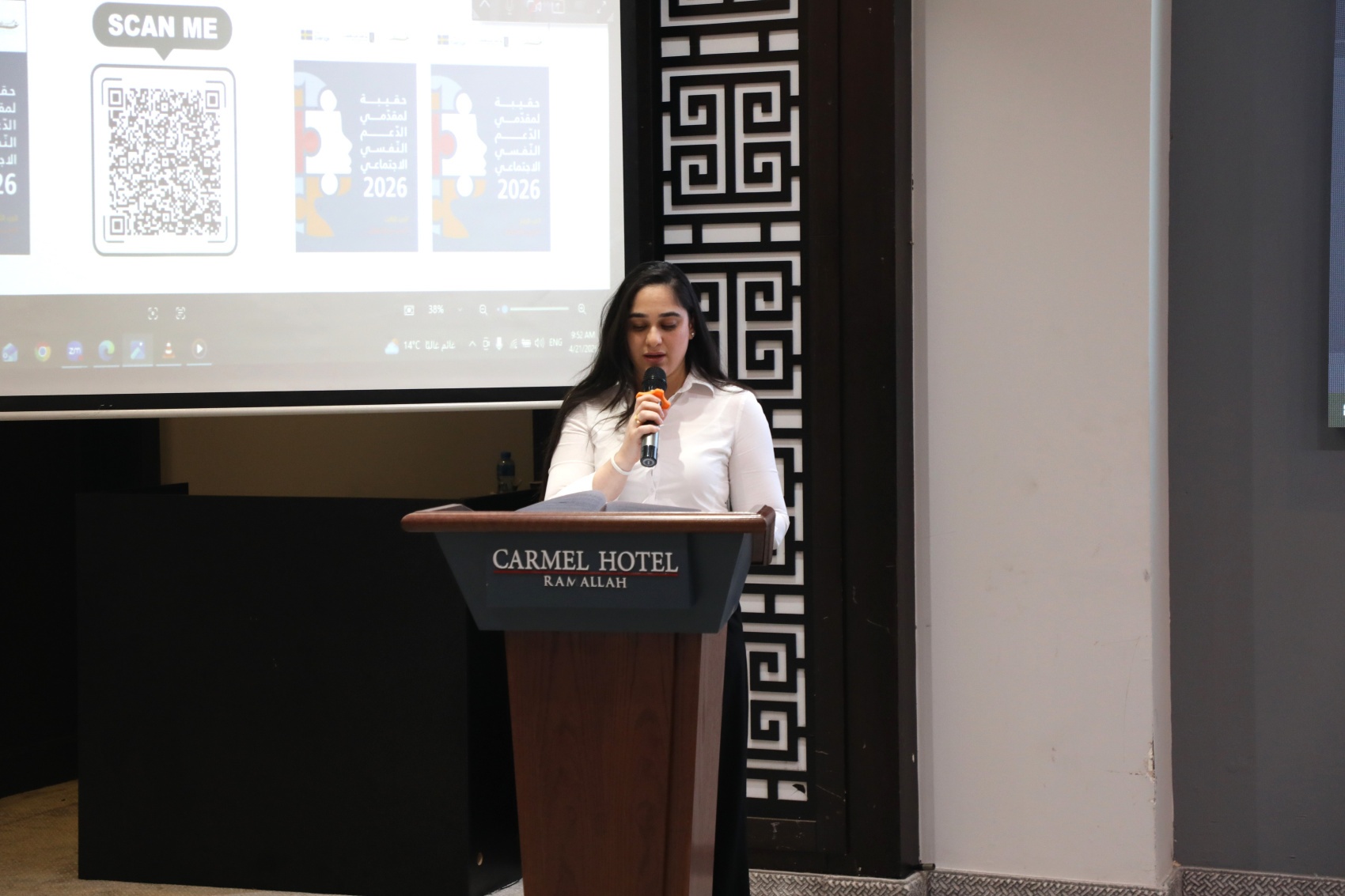
For her part, Ms. Raghda Basiouni, who carried out the linguistic editing of the toolkit, expressed pride in the partnership that brought together Juzoor’s health expertise and the Al-Tufula Center’s early childhood expertise. She affirmed that this integration was a key element in developing coherent and context-sensitive manuals that combine scientific foundations in psychosocial health with practical and interactive activities applicable in resource-limited settings, along with culturally rooted practices that strengthen identity and belonging.
The Director General of the NGO Development Center (NDC), Mr. Ghassan Kasabreh, highlighted the center’s role in managing the “Primary Healthcare NGO Consortium (2026–2029)” project. He stressed the importance of the project in enhancing partner institutions’ response to increasing needs in the psychosocial health sector, supporting interventions for the most vulnerable groups, and strengthening the role of civil society in development.
The event included a short film highlighting the severe psychological challenges faced by children in Gaza amid repeated wars, including loss and trauma, as well as showcasing psychosocial support interventions implemented by Juzoor’s teams. These interventions include psychological debriefing sessions and recreational activities that help reduce stress and anxiety and enhance children’s sense of safety and belonging. The toolkit directly responds to these needs by providing practitioners with practical and tested tools that can be applied in difficult contexts, ensuring continuity and effectiveness of support for children and families.
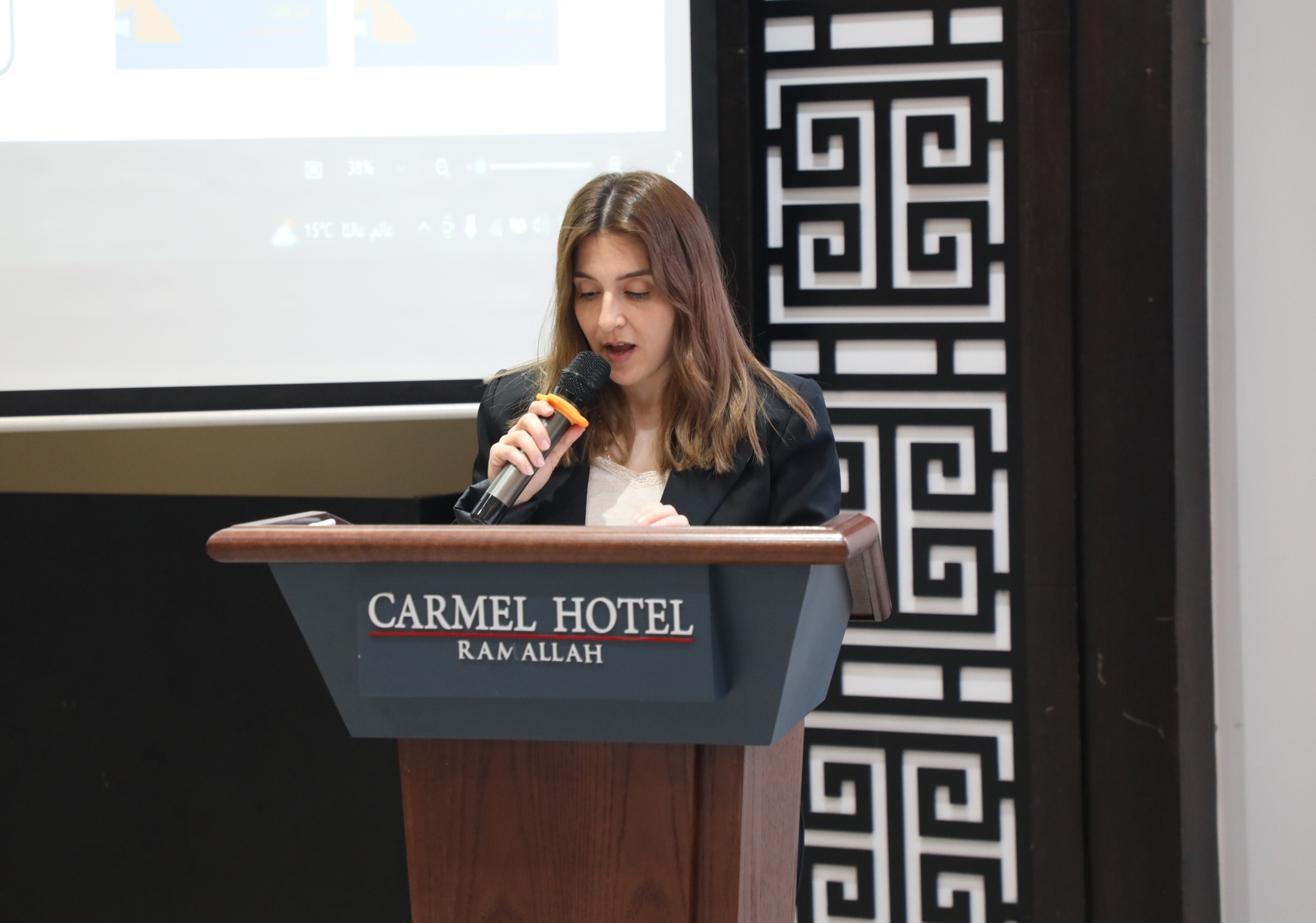
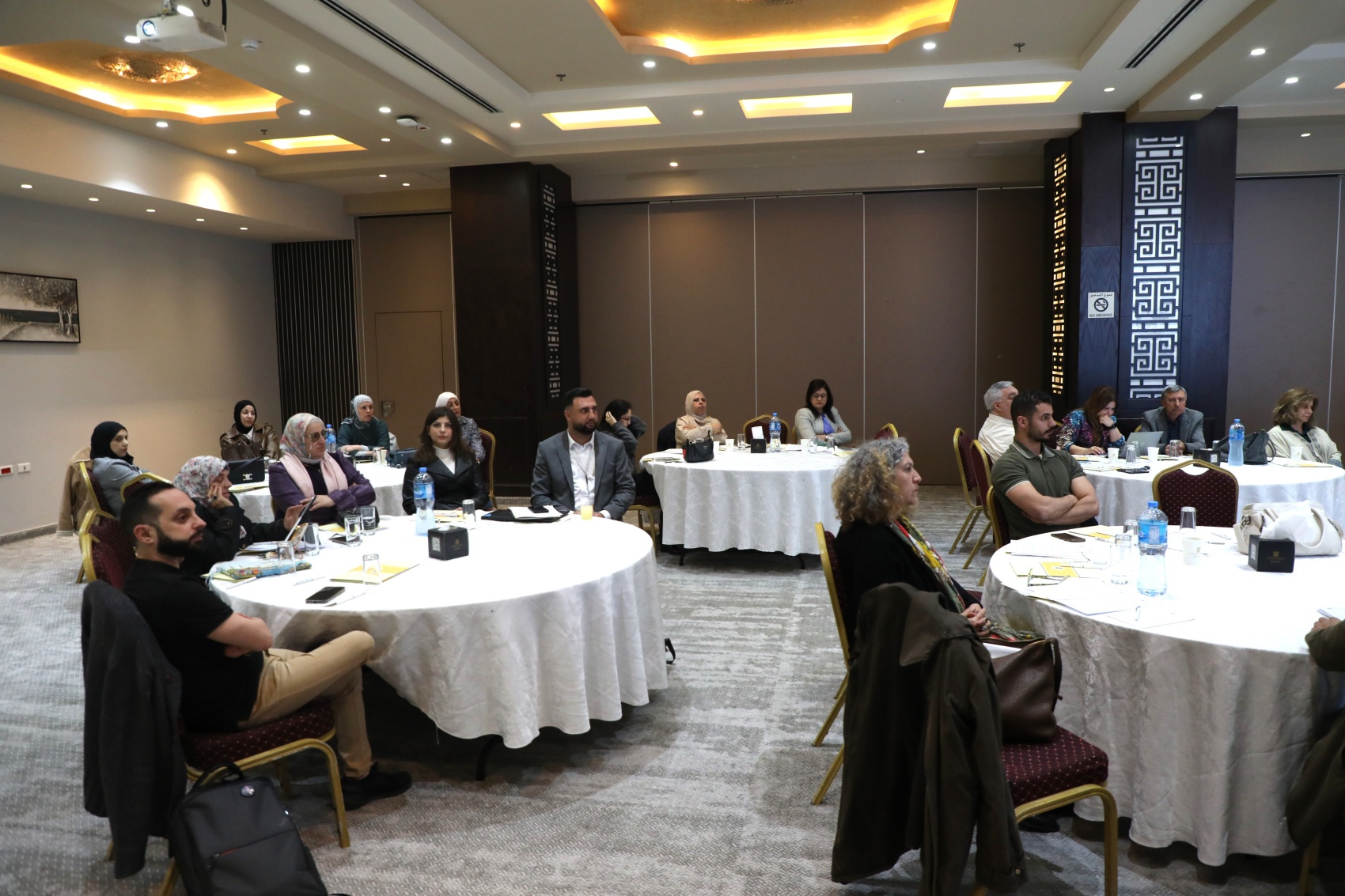
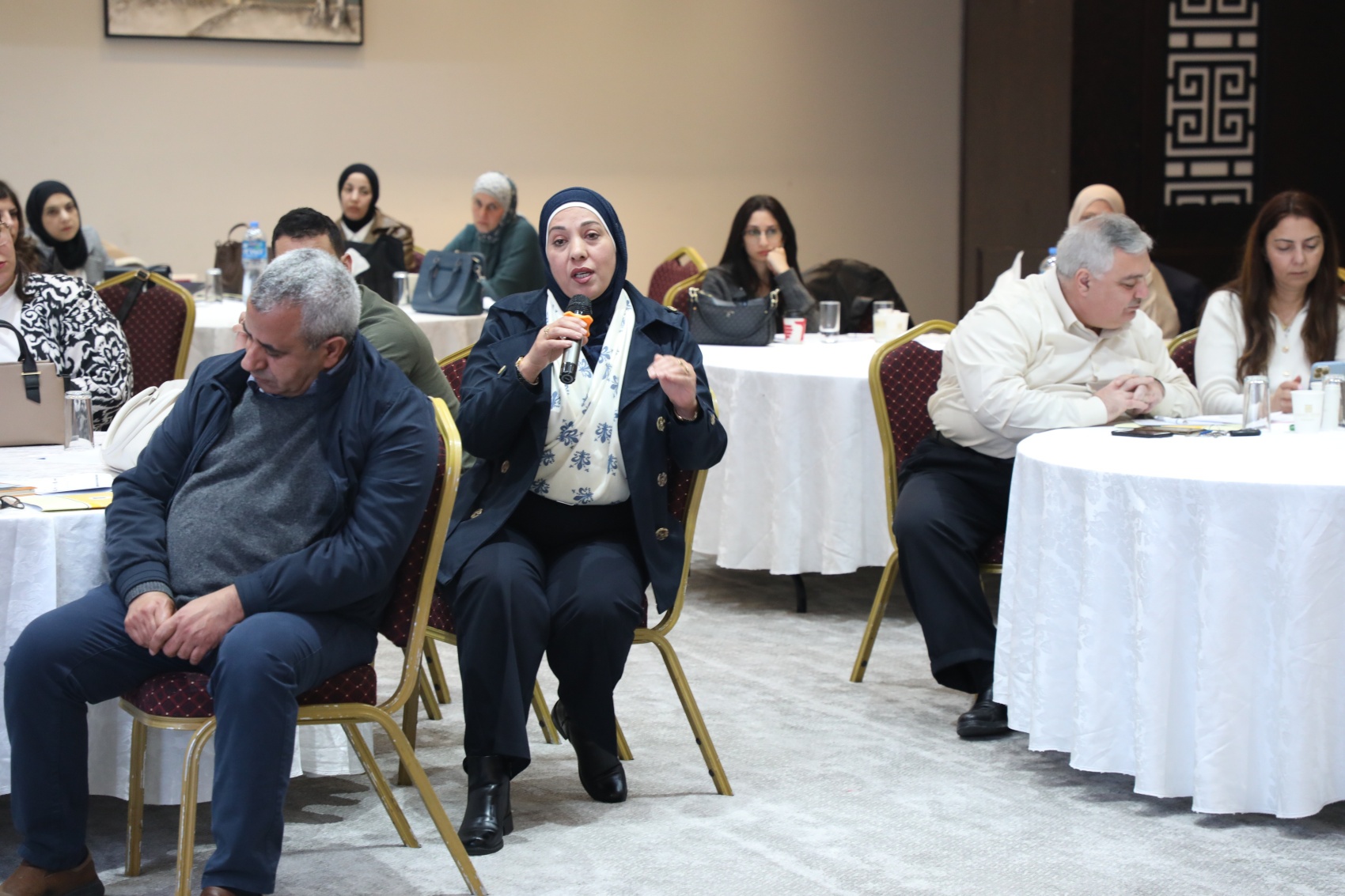
Following the film, an interactive presentation of the toolkit components was delivered by Ms. Noha Al-Hajj from the Child Institute. The session presented working mechanisms with facilitators, parents, and children, as well as assessment and learning tools. Participants emphasized the importance of simplifying tools, ensuring their practical applicability, and incorporating children’s and families’ experiences into content development.
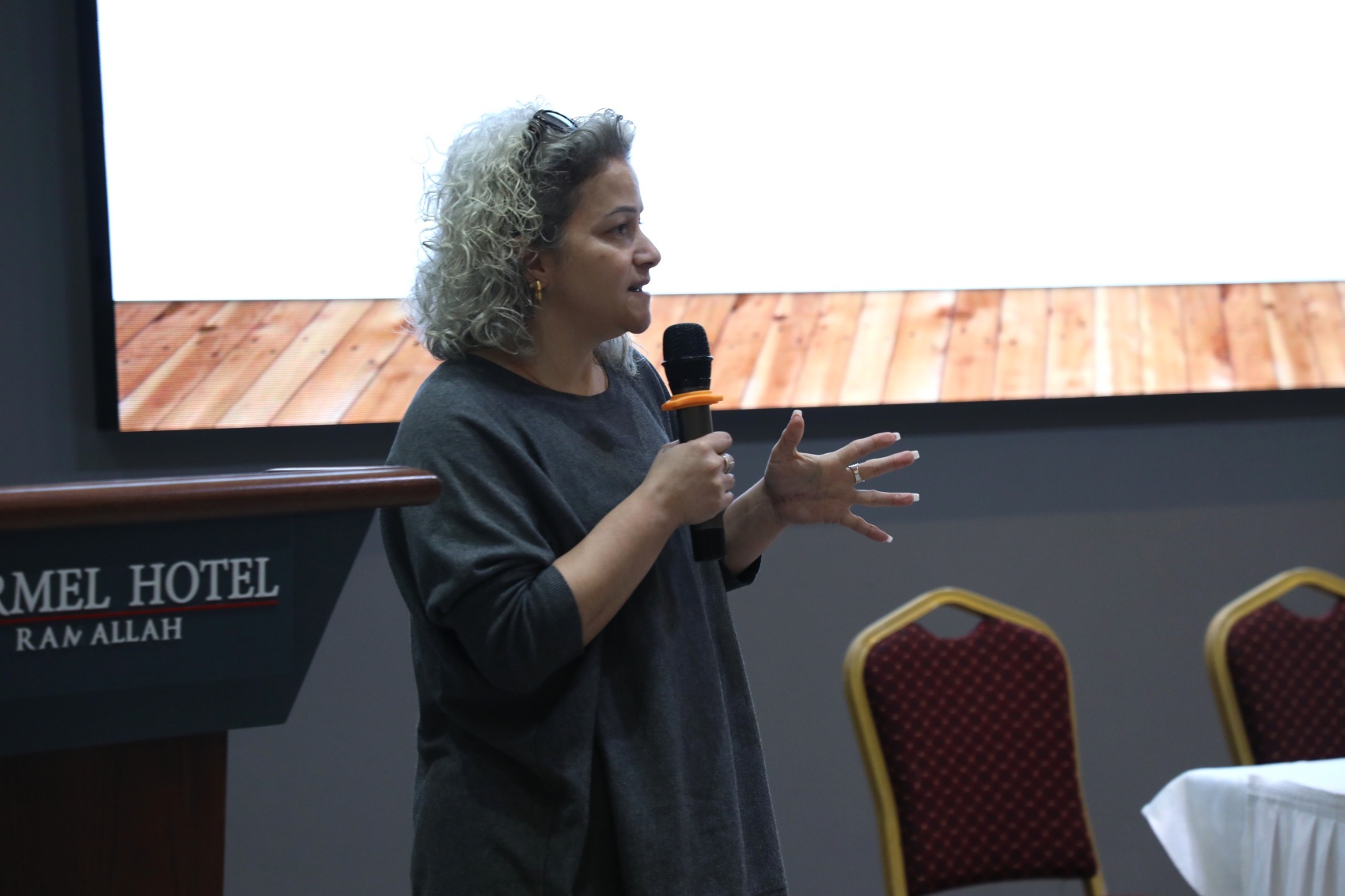
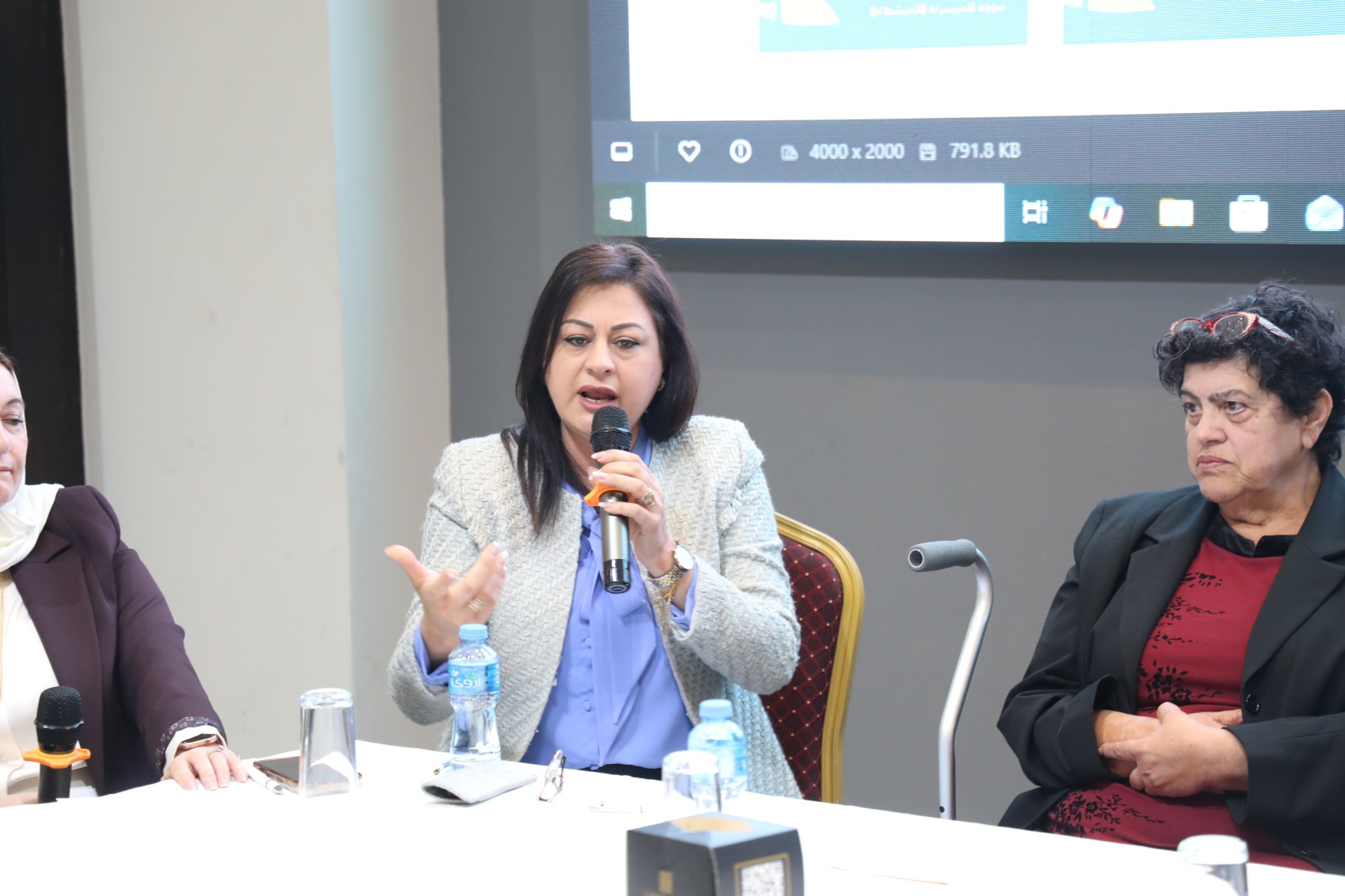
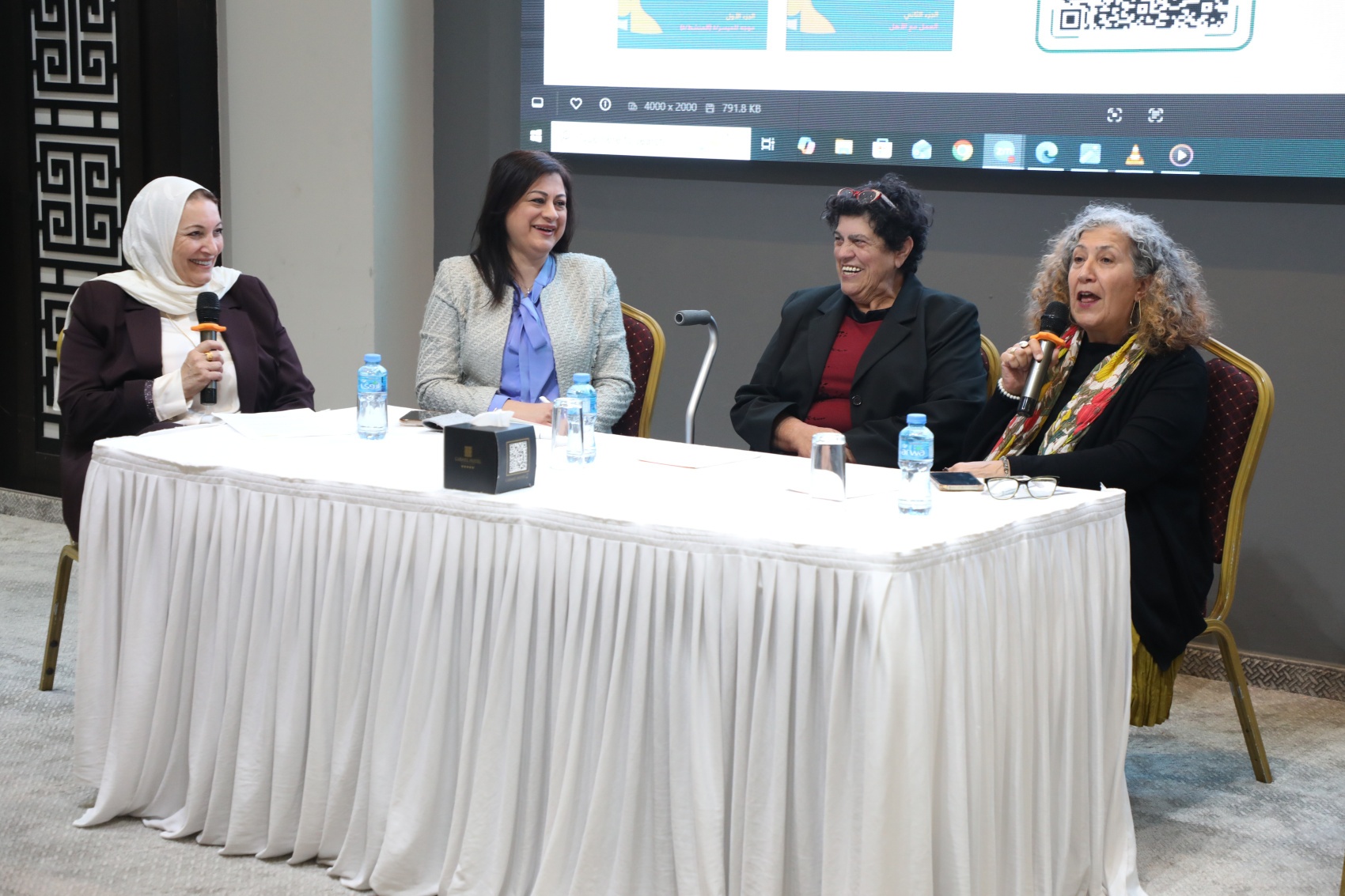
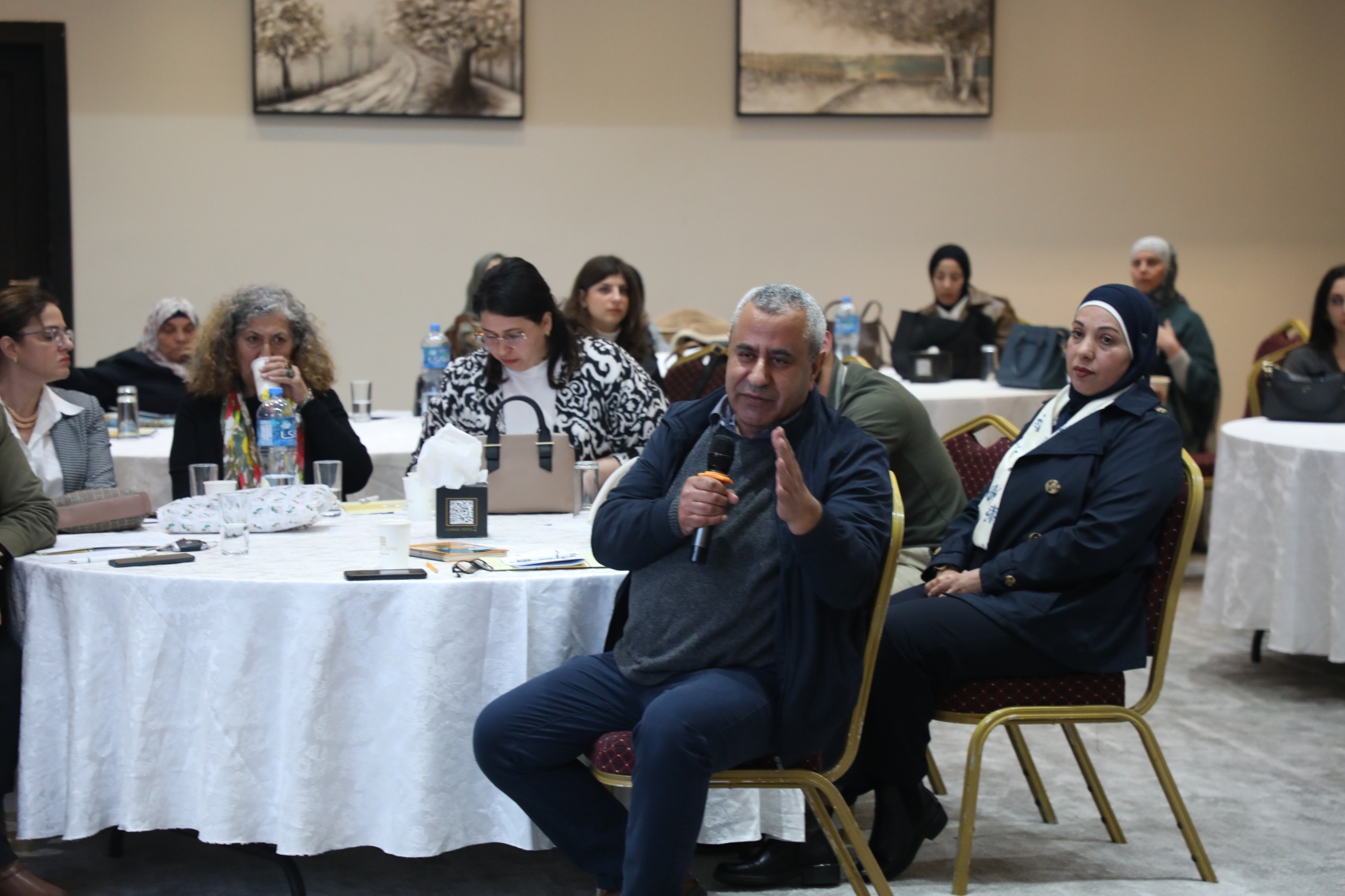
As part of strengthening dialogue, a discussion session titled: “Psychosocial Support in the Palestinian Context: Toward a Liberatory Approach that Strengthens Resilience and Dignity” was held and moderated by Ms. Rehab Sandouka, with the participation of Ms. Nabila Espanioly from the Child Institute, Dr. Rana Nashashibi from the Palestinian Counseling Center, and Ms. Vivian Tannous from the Abdul Mohsin Al-Qattan Foundation. The participants emphasized the importance of collective work and the possibility of achieving real change through joint efforts, while strengthening the role of each individual as a contributor to change.
The event concluded with an overview of future steps, where Ms. Rania Abu Aita, Director of the Health and Nutrition Department at Juzoor, announced plans to conduct Training of Trainers (TOT) programs, organize a series of training sessions for partner institutions, and develop implementation plans for the toolkit with ongoing technical support. She also highlighted plans to share the toolkit regionally through the Arab Network for Early Childhood Development to document success stories and exchange expertise.
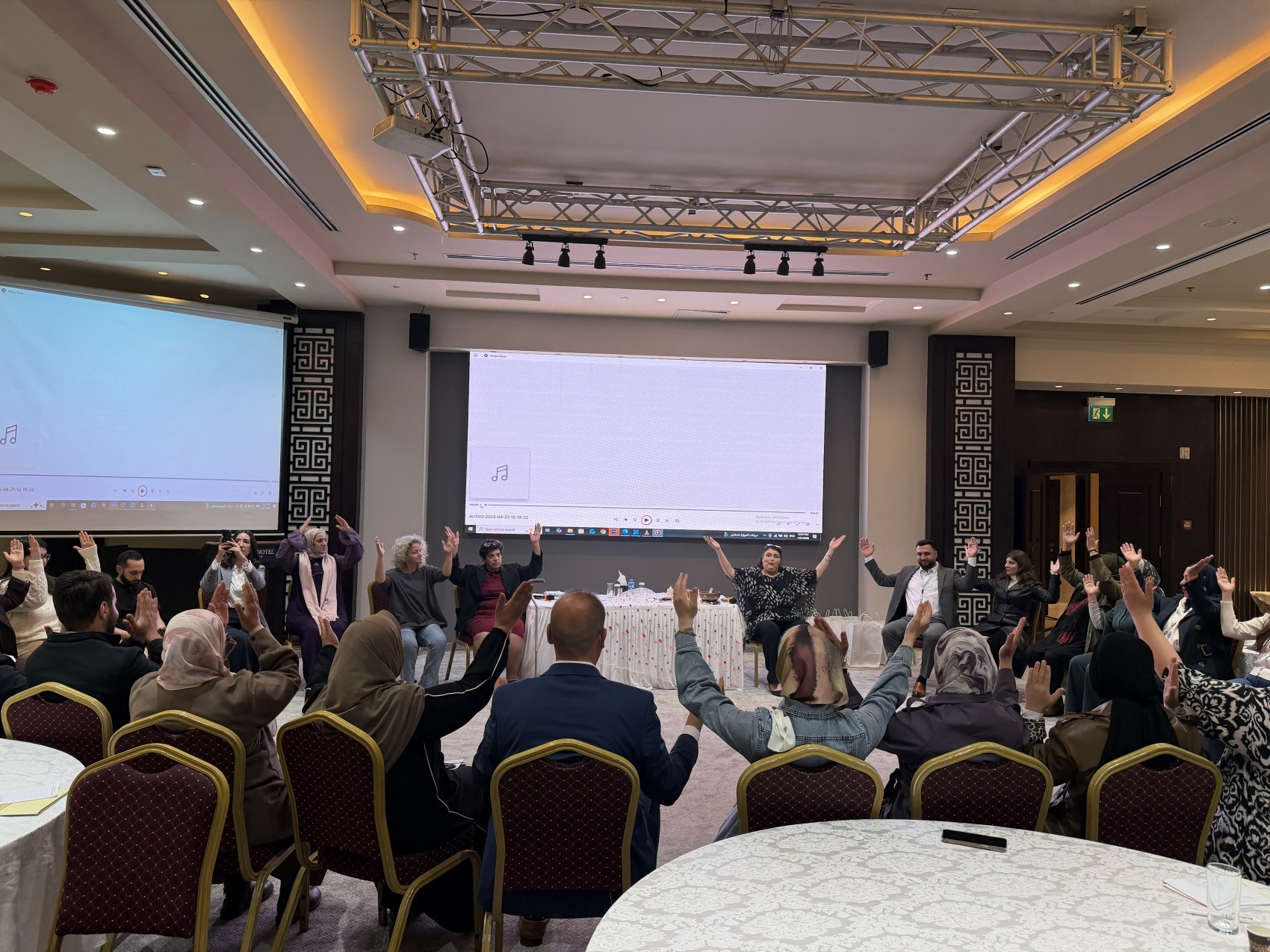
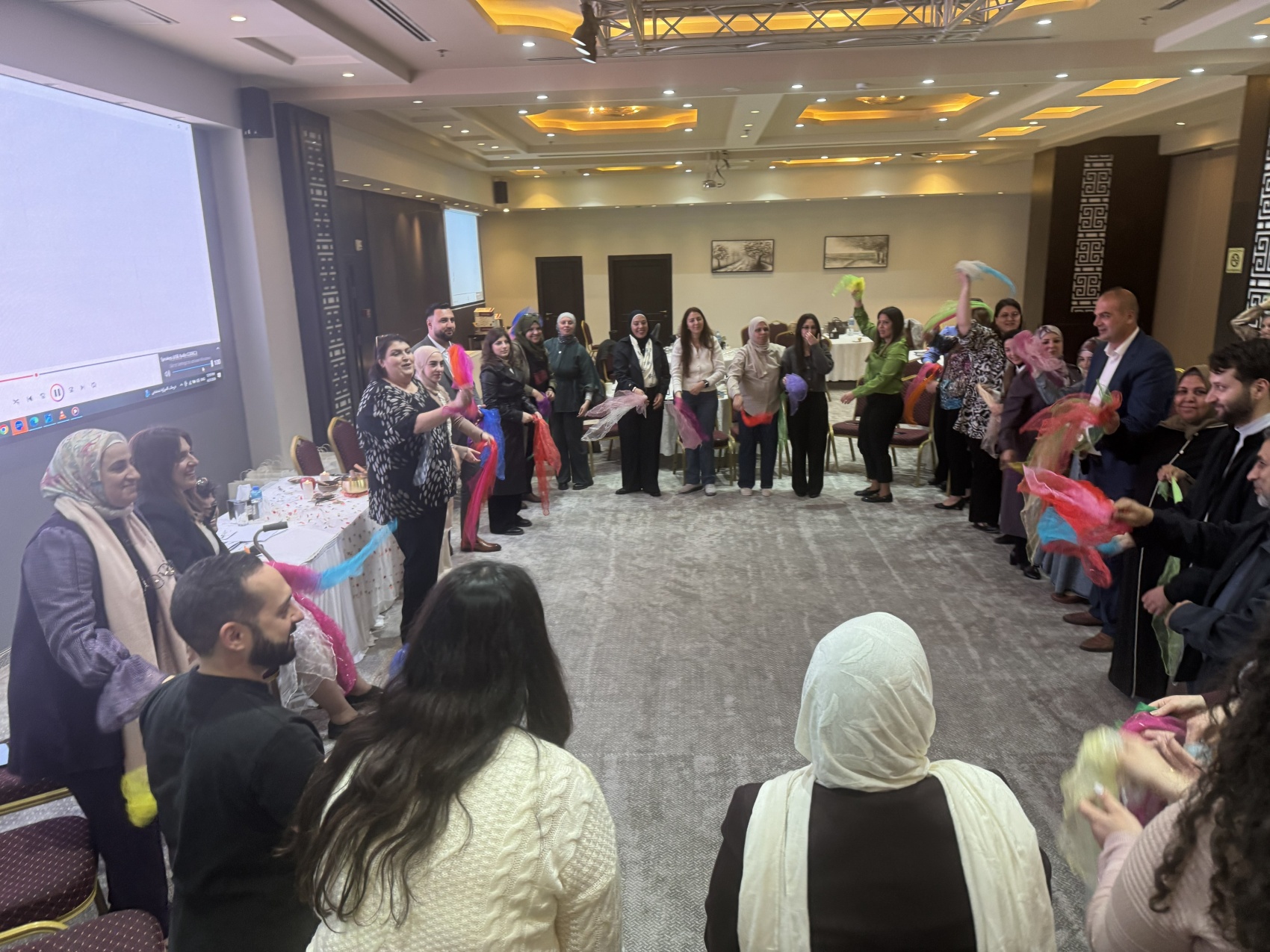
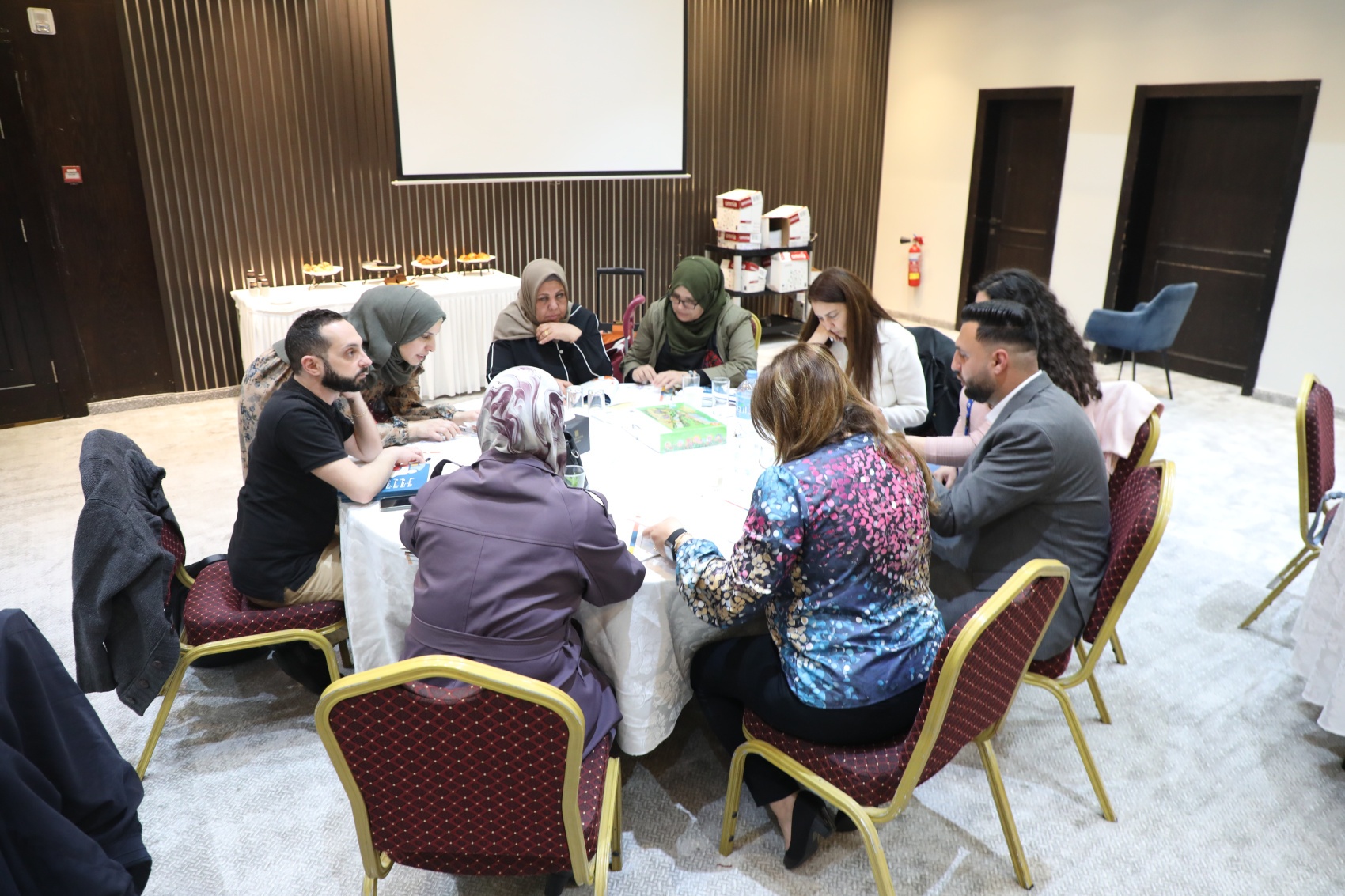
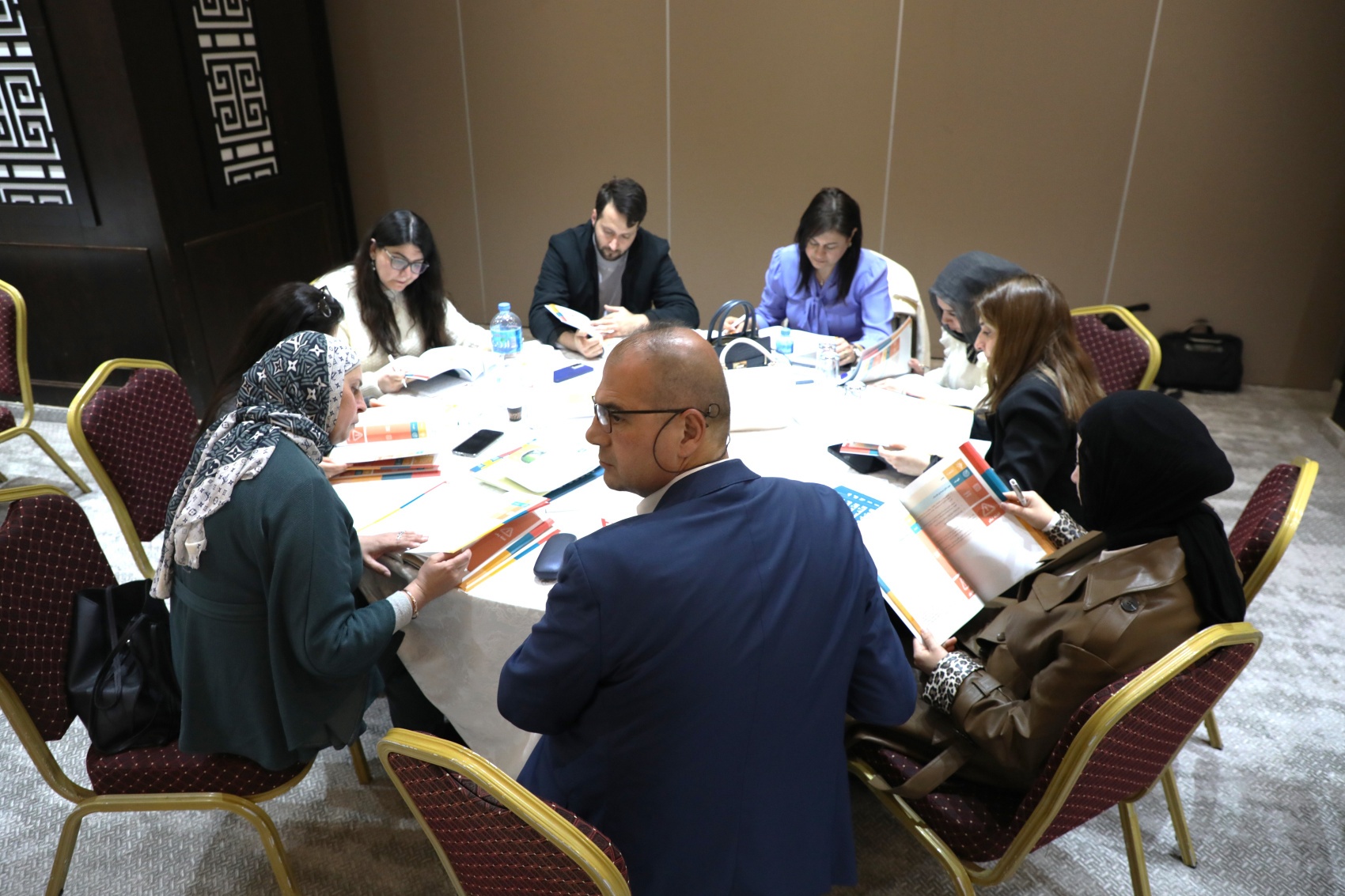
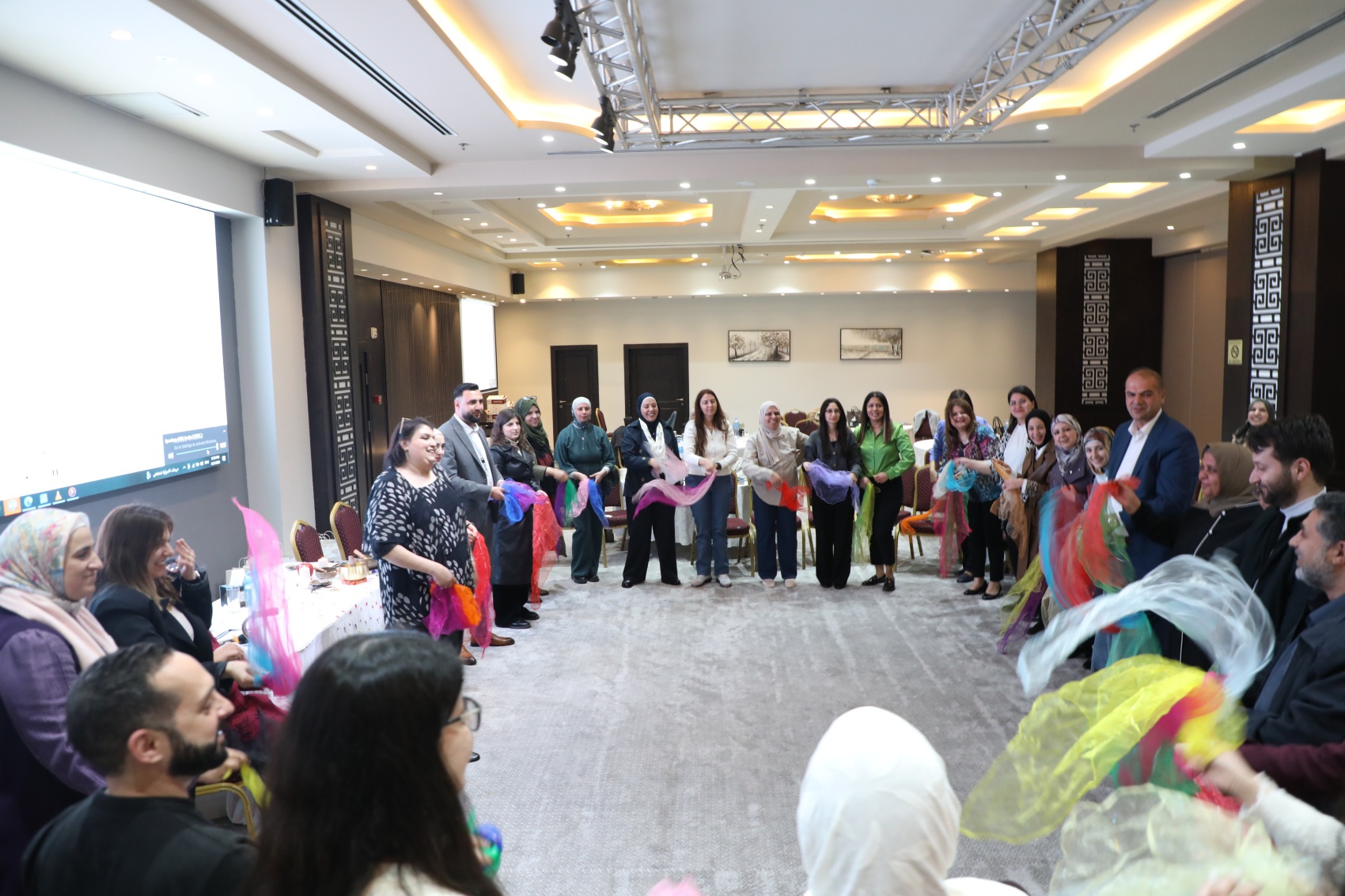
At the end of the event, copies of the toolkit were distributed to participants, followed by a practical training session for practitioners. Al Tufula Center, led by Director Nabila Espanioly and with the participation of Ms. Samer Abu Al-Heja, Coordinator of the “Community Resilience” project, delivered the applied component. It began with a debriefing session using breathing techniques and laughter yoga for all psychosocial support teams and technical staff from partner institutions. This was followed by group work to review and discuss the manuals, explore practical implementation methods in the field, and exchange experiences among participants.